



Updated: October 2026
Open the ceiling of any new showroom, clinic lobby or premium bedroom today and there is a fair chance it is printed PVC stretch film – clouds, marble, wood, art, even family portraits overhead. For a hybrid UV owner this is the highest-rate roll product in the building-material wave, sold per room rather than per square foot. This guide covers the full business: process, film rates, partners and pricing. All figures are estimates (est.).
Rates: What the Market Pays (est.)
| Item | Rate Rs/sqft (est.) |
|---|---|
| Stretch ceiling film (media) | 40-70 |
| Print sell rate (film plus print) | 120-250 |
| Full installed project (supply plus fitting) | 250-450 |
| Backlit ceiling print (translucent film) | 180-350 |
| Typical room project value | Rs 20,000-1,00,000 per room |
How a Printed Ceiling Project Actually Flows
Measurements come from site – a laser-taped room drawing with every cutout for fans, lights and AC grills. The design maps onto panel drawings, because film prints in 3.2m or 5m widths and ceilings beyond that are welded into panels. Print runs on the belt lane with a light touch: PVC stretch film is heat-sensitive, which is precisely why LED-UV low-heat curing owns this product. Printed panels roll out numbered with an installation sheet, and a ceiling installer stretches them into the perimeter track on site. The printer never touches the ladder – the installer network does.
Machine Notes for Film Work
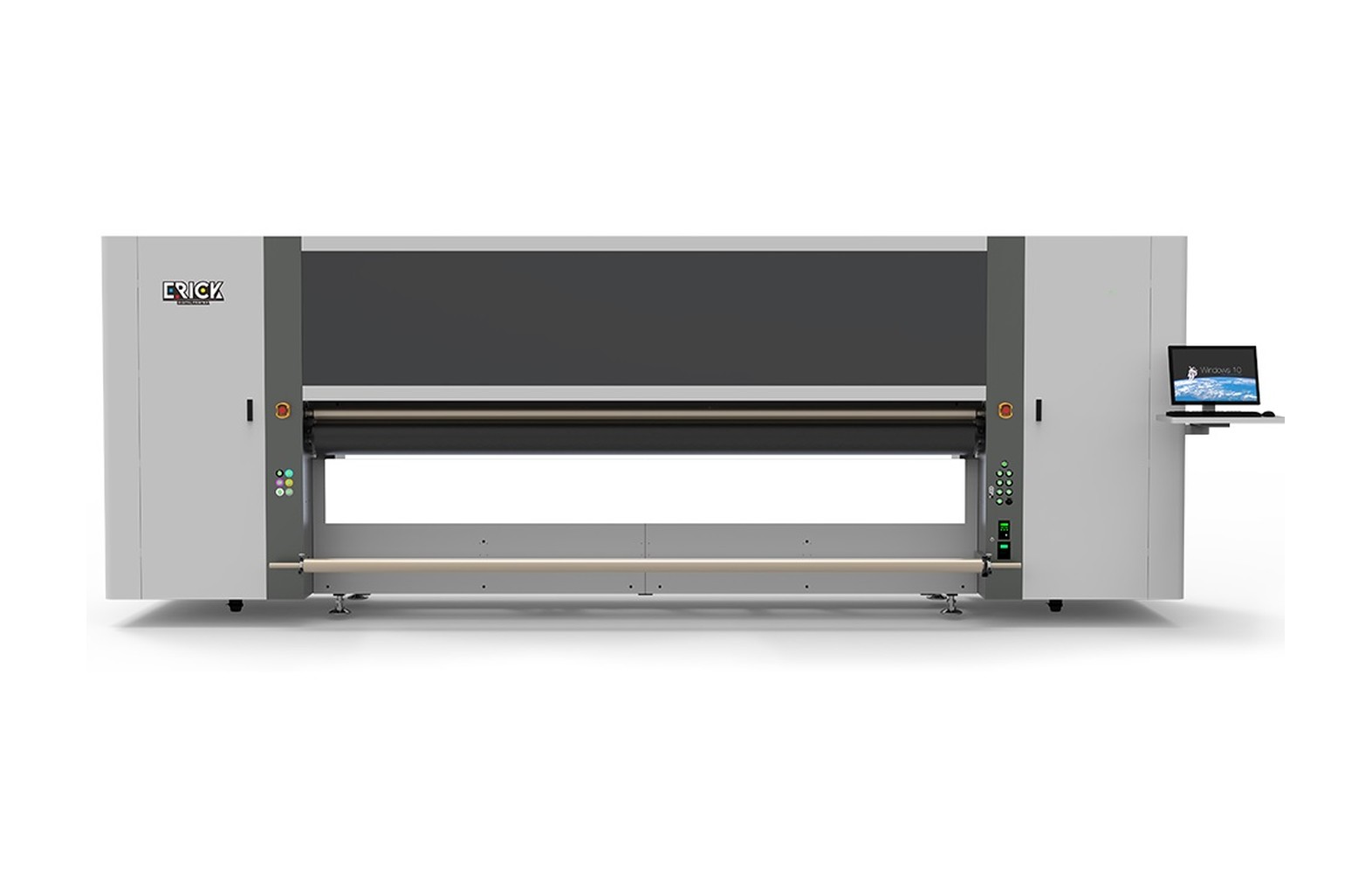
Width decides your market: 1.8m machines print smaller rooms and panel-split designs, while 3.2m machines cover most rooms seamless – the class that turns this into a serious line. Feed control matters more than speed; film under tension skews images over long passes, so belt-fed printing with vacuum hold-down beats pinch-roller feeding on this media. Test every new film lot under a lightbox before shipping – backlighting exposes banding that daylight forgives.
The Business Model: Installers Are Your Sales Force
Ceiling installers, gypsum contractors and interior designers bring the rooms; you bring the print. A ten-panel sample book – sky, marble, wood, geometric, kids themes, brand walls – carried to every installer in the district builds the order pipeline without advertising. Offer the print at trade rates to installers and let them own the customer; volume follows. Backlit ceilings need the electrician conversation early, so premium projects start with a site visit, never a WhatsApp quote.
Adjacent printed-decor economics appear in the Rs 38 lakh wallpaper printing unit case study (Mumbai) and machine-side numbers in the Rs 42 lakh UV signage unit case study (Chennai).
Our Verdict
Ceiling film rewards printers who think in projects, not prints: installers bring rooms, sample books close designs, and backlit jobs multiply ticket size. Handle the film gently, test under light, and quote per room. Machines in the 3.2m class that run this media daily sit on our UV hybrid printers page.
FAQs – Stretch Ceiling Film Printing Business 2026
What is the price of stretch ceiling film printing per sqft?
Printed stretch ceiling film sells at Rs 120-250 per sqft for the film plus print, and full installed ceiling projects run Rs 250-450 per sqft (est.) with fitting, profiles and lights added by the installer.
Which machine is used for stretch ceiling film printing?
A hybrid UV or UV roll printer with LED curing – the low lamp heat protects the heat-sensitive PVC film. The 3.2m width class covers most rooms seamless; 1.8m machines handle smaller rooms and split panels.
What is the cost of ceiling film material?
PVC stretch ceiling film media costs Rs 40-70 per sqft (est.) by finish – matte, satin, glossy or translucent for backlit ceilings. Translucent backlit film sells printed at Rs 180-350 per sqft (est.).
How profitable is printed ceiling business in India?
Rooms bill Rs 20,000-1,00,000 each (est.) with print margins of 50-60% on the film work, and installer referrals keep the pipeline free. It is currently the highest-rate roll product a hybrid UV machine can carry.
Does the design stretch or distort when the ceiling is fitted?
Stretching pulls the film a few percent – abstract, marble, sky and geometric designs absorb it invisibly. Faces, circles and text-heavy layouts distort, which is why catalogs steer customers toward forgiving designs.
More hybrid UV printing guides: UV Hybrid Printer Price Guide, UV Hybrid Printing Business Guide, Hybrid UV vs Flatbed vs Roll-to-Roll, Hybrid UV Printer Heads Compared, Hybrid UV Running Cost Guide, Hybrid UV Printer Media List, Wallpaper Printing on Hybrid UV, 20 Products on One Hybrid UV Printer, Hybrid UV vs Eco Solvent, Second-Hand Hybrid UV Buying Checklist, 15 Common Hybrid UV Problems and Fixes, Hybrid UV Maintenance Schedule, Hybrid UV Lamp, Ink and Filter Costs, Hybrid UV Install Checklist.
Share your target products and buyers on the contact page – we reply with an exact machine quote, freight and installation plan for your city, with on-site training across India.
