



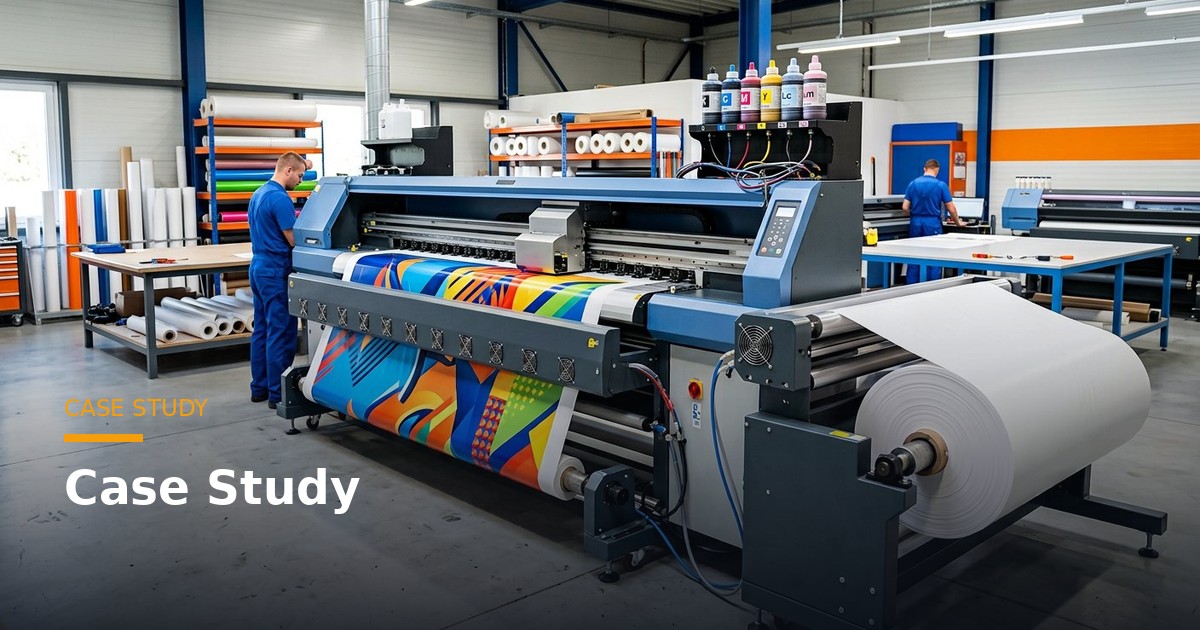
This anonymised case study follows a first-time buyer with no printing background who started a custom-apparel business from home with a single UED DTF printer. What began as a small side venture grew into a thriving full-time business. Here is the journey — the machine, the learning, the mistakes avoided and the growth — and what it teaches aspiring printing entrepreneurs about starting out.
The Person and the Idea
The entrepreneur — let us call them a first-time buyer — saw an opportunity in custom apparel: personalised T-shirts, small-brand merchandise, team kits, event apparel and gifts. The barrier to entry seemed achievable with DTF, which requires less space and lower initial investment than many printing methods, and can print on the cotton garments that dominate the Indian market. With a modest budget and no prior printing experience, the entrepreneur decided to start small with a single DTF machine and grow from there. The goal was not to build a giant operation overnight, but to start lean, learn the craft and scale with demand.
Why DTF Was the Right Starting Point
DTF was a smart choice for a first-time garment-printing entrepreneur. It has a relatively low entry cost compared with many printing technologies, needs modest space, and — crucially — prints on cotton, polyester, blends and dark garments, covering the full range of apparel customers want. This versatility meant the entrepreneur could serve almost any custom-apparel request from day one, without being limited to specific fabrics or colours. DTF’s economical per-garment costs also meant healthy margins were possible even at small volumes. For someone starting out, DTF offered the broadest market reach and the gentlest entry into garment printing.
Machine at a Glance
| Specification | Detail |
|---|---|
| Machine | UED DTF Printer (XP600, 30 cm) |
| Printhead | Epson XP600 (entry-level) |
| Print width | 30 cm |
| Ink | DTF CMYK + White (quality grade) |
| Workflow | Print → powder → cure → heat-press |
| Best for | Startups, small-batch custom apparel |
The XP600 30cm machine was the right starting choice. As an entry-level DTF setup, it was affordable enough for a first-time buyer with a modest budget, yet capable of producing the vibrant, quality transfers that custom apparel demands. The 30cm width suited T-shirt and garment graphics well. The entrepreneur chose a machine matched to their starting volumes and budget, with a clear path to upgrade to a production i3200 machine as demand grew — a sensible approach that avoided over-investing before the business was proven.
Starting Out and Learning
Starting with no printing background, the entrepreneur invested time in learning. They learned the DTF workflow — printing, powdering, curing and heat-pressing — and, importantly, white-ink maintenance, since white ink care is essential even on an entry machine to prevent clogging and protect the head. They started with quality DTF ink rather than the cheapest, recognising that ink quality affects both output and head life. They practised, made mistakes on test garments, and refined their process. UED’s guidance on setup, ink and workflow helped the entrepreneur avoid the common beginner mistakes that damage heads and produce poor output.
Building the Business
The entrepreneur started by serving their immediate network — friends, local clubs, small brands, event organisers — and used social media to showcase their work and attract customers. Early jobs were small, but each one built skill, samples and reputation. Because DTF could print on any garment and colour, they could say yes to almost any request, which helped win customers. Quality was the focus: vibrant, durable prints that washed well built a reputation that brought repeat customers and referrals. Word of mouth and social media grew the order flow steadily, and the entrepreneur reinvested early profits into materials, marketing and eventually capacity.
The Results
What began as a side venture grew steadily. Indicative progression:
| Stage | Milestone |
|---|---|
| Start | Single XP600 DTF, home-based, small orders |
| First months | Learning the craft, building samples and reputation |
| First year | Steady order flow, first profit, repeat customers |
| Growth | Full-time, upgraded to production i3200 DTF |
Within its first year, the business had moved from a nervous side venture to a steady, profitable operation with repeat customers and referrals. As demand outgrew the entry machine, the entrepreneur upgraded to a production i3200 DTF — a natural progression funded by the business’s own growth. This is the ideal path: start lean, prove the business, and scale the equipment with demand rather than over-investing at the start.
The Financial Impact
The economics of starting with DTF were favourable. The low entry cost meant the entrepreneur could start without a large loan or risk. DTF’s economical per-garment costs — modest ink, film and powder against good garment pricing — meant healthy margins even on small orders. Because the business grew organically from real demand, each stage of growth was funded by revenue, and the upgrade to production equipment was affordable from profits. The payback on the initial machine came relatively quickly given the low investment and healthy margins. Starting lean with DTF let the entrepreneur build a real business with manageable risk.
Why It Worked
Several factors drove the success. First, DTF was the right entry technology — low cost, modest space, and versatility across all garment types and colours. Second, the entrepreneur started lean, matching equipment to starting volumes and budget, with a clear upgrade path. Third, they invested in learning, especially white-ink maintenance, and used quality ink to protect the head. Fourth, they focused on quality, building a reputation that drove repeat business and referrals. And fifth, they grew organically, reinvesting profits and scaling equipment with demand. The combination of the right entry technology, quality focus and lean, organic growth made the venture succeed.
The Entrepreneur’s Perspective
Looking back, the entrepreneur’s advice to aspiring printing-business owners was practical. “Start small, but do not cut corners on ink or maintenance — that is how beginners ruin their first machine,” they said. “Focus on quality, and the customers come.” That reflects the reality of starting a printing business: the entry barrier is achievable, but success comes from doing it well — protecting your equipment, producing quality work and building a reputation. The entrepreneur’s journey from a single machine to a thriving business shows that with the right technology, sensible starting choices and a focus on quality, a first-time buyer can build a real, profitable printing business.
Key Takeaways
Aspiring printing entrepreneurs can draw clear lessons. First, DTF is an excellent entry point — low cost, modest space, and the versatility to print on any garment and colour. Second, start lean: match your equipment to your starting volumes and budget, with a clear upgrade path as you grow. Third, do not cut corners on ink or white-ink maintenance — protecting your printhead is essential, and quality ink is not where to economise. Fourth, focus on quality to build the reputation that drives repeat business and referrals. And fifth, grow organically, reinvesting profits and scaling equipment with proven demand. With the right technology and sensible choices, a first-time buyer can build a thriving printing business.
This is an anonymised, representative case study based on typical UED machine performance. Individual results vary with market, management, utilisation and local conditions.
Avoiding Common Startup Mistakes
The entrepreneur avoided several mistakes that sink many new printing businesses. The first is buying the cheapest ink to save money — a false economy, since cheap ink, especially poor white ink, clogs and ruins the expensive printhead, costing far more than the saving. The entrepreneur used quality DTF ink from the start. The second is neglecting white-ink maintenance — white pigment settles and clogs nozzles if not kept agitated, so the entrepreneur made white-ink care a daily habit. The third is over-investing in equipment before proving demand — the entrepreneur started lean with an entry machine and scaled with growth. Avoiding these mistakes protected the equipment and the business’s limited early capital.
Another common mistake is competing purely on price, which traps a new business in thin margins. Instead, the entrepreneur focused on quality, building a reputation that allowed reasonable pricing and repeat customers. And rather than trying to serve everyone at once, the entrepreneur started with their accessible network and grew through referrals. These sensible choices — quality over cheap, lean over over-invested, quality-reputation over price-competition — are what let a first-time buyer with limited resources build a sustainable business rather than burning out and capital. The mistakes are common; avoiding them is a real advantage.
Marketing a New Printing Business
With no established customer base, marketing was essential, and the entrepreneur approached it pragmatically. Social media — showcasing vibrant printed garments, behind-the-scenes process and happy customers — was the primary channel, ideal for a visual product like custom apparel and low-cost for a startup. The entrepreneur started with their immediate network (friends, local clubs, small brands, event organisers), delivering quality that generated word-of-mouth and referrals. Small local partnerships and offering samples helped win early customers. This grassroots, quality-driven marketing built a customer base organically without a large advertising budget a startup could not afford.
The key was that quality did the marketing. Vibrant, durable prints that washed well impressed customers, who posted about them, referred friends and reordered. For a custom-apparel business, the product itself is the best marketing — every printed garment worn in public is an advertisement. By focusing on quality and letting satisfied customers spread the word, the entrepreneur built a growing customer base sustainably. This is the ideal marketing model for a new printing business: produce quality work, showcase it, delight customers and let referrals compound, rather than spending scarce capital on advertising before the business can support it.
Planning Your Upgrade Path
A smart startup plans its growth, and the entrepreneur did. Starting with an entry XP600 machine was deliberate — affordable, matched to starting volumes, and a proof of concept. But the entrepreneur always intended to upgrade to a production i3200 machine as demand grew, and the business’s organic profits funded that upgrade when the time was right. This staged approach — start lean, prove the business, scale equipment with demand — is the ideal path for a printing startup. It avoids the trap of over-investing in equipment before there is demand, and it funds growth sustainably from revenue rather than debt.
Planning the upgrade path also means choosing equipment with growth in mind. UED’s DTF range — from XP600 30cm entry machines to i3200 60cm production models and industrial 6-head lines — lets a business start small and scale through the same product family, with consistent support and consumables. This makes growth smoother, since the business stays within a familiar ecosystem as it upgrades. For an aspiring printing entrepreneur, the message is encouraging: you can start small and affordable, prove your business, and scale step by step with the right partner — you do not need a huge investment to begin, just a sensible starting point and a plan to grow.
Could This Be Your Story?
This case study is, above all, an encouragement to aspiring printing entrepreneurs. The barrier to starting a custom-apparel business with DTF is genuinely achievable — modest investment, modest space, and the versatility to serve almost any garment request. But success is not automatic; it comes from doing it well. The entrepreneurs who thrive start lean, use quality ink and master white-ink maintenance to protect their equipment, focus on quality to build a reputation, market through their network and social media, and grow organically — scaling equipment with proven demand rather than over-investing.
If you are considering starting a printing business, the message is that it is within reach with the right approach. Start with an affordable entry machine matched to your starting volumes, learn the craft properly, protect your equipment with quality ink and good maintenance, focus on quality to win repeat customers, and plan to scale as you grow. With a sensible starting point, a focus on quality and the right partner for equipment, ink and support, a first-time buyer can build a real, profitable, growing printing business. Many thriving print businesses began exactly this way — with one machine, a commitment to quality and the willingness to learn and grow.
Thinking of Starting a Printing Business?
DTF offers an achievable entry into custom apparel. Unified Engineering Dynamics supplies DTF printers from XP600 30cm starter machines to production i3200 models, with quality inks, training and nationwide support to help you start right.
Plan your printing business with UED → Tell us your ideas and budget, and we will recommend the right starting setup.
