



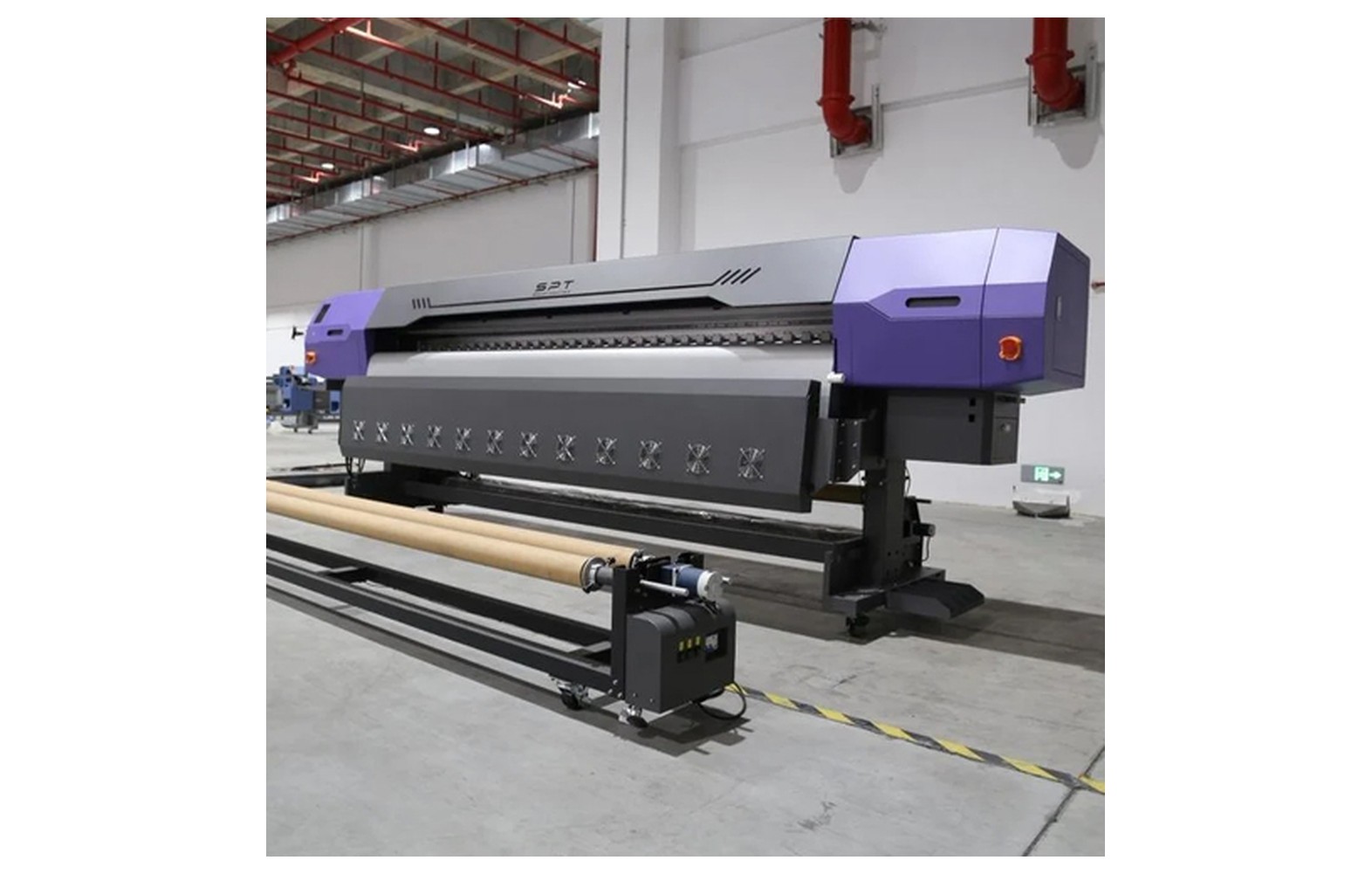
Updated: October 2026
A Konica head costs Rs 30,000-85,000 and your machine carries four to eight of them. Between those heads and the graveyard stands one thing: a 20-minute daily maintenance ritual that most shops perform only after the first band appears. This schedule is the full discipline – daily, weekly, monthly – plus clog recovery steps and the exact signs a head is dying. All figures are estimates (est.).
The Nozzle Check That Starts Every Day
- First job of every shift: print the nozzle test pattern – 20 seconds that reads every nozzle’s health like an ECG.
- Missing lines mean clogs forming; run a normal clean cycle, retest. Two failed cycles means flush-soak rest, not a third blind clean.
- Log the pattern daily: a nozzle slowly declining over weeks warns you to order a head BEFORE election season, not during.
Daily Ritual, 20 Minutes
| Task | Why |
|---|---|
| Head surface clean with proper swab and flush | dried ink crust wicks fresh ink sideways into other nozzles |
| Capping station: clean rubber seals, verify moist cap tops | a dry cap-top ring dries nozzles overnight into clogs |
| Wiper blade check and clean | a crusted wiper smears more than it wipes |
| Encoder strip wipe with recommended cleaner | dirty encoder equals random misalignment ghost bands |
| Ink levels topped, one brand only | dry-firing is instant head murder; mixing inks is slow murder |
Weekly, 45 Minutes
| Task | Notes |
|---|---|
| Deep-clean cycle on demand, not ritual | only when nozzle tests say so – deep cleans burn ink |
| Carriage rail wipe and light oiling | dusty rails translate into jitter lines at speed |
| Pinch roller and platen de-ink | ink build-up tracks marks onto the next hoarding’s back |
| Heater zone check with thermometer | a dead heater zone means wet ink wind-up and ruined rolls |
| Waste-ink bottle empty | overflow wicks back into the pump lines |
Monthly and Consumable Schedule (est.)
| Item | Frequency | Cost |
|---|---|---|
| Ink filters, main line | every 3-6 months by volume | Rs 800-2,000 each |
| Cap-top pads or seals | every 4-8 months | Rs 400-1,200 per station |
| Wiper blades | every 2-4 months | Rs 300-800 each |
| Flushing solution stock | always 5+ litres standby | Rs 600-1,000 per litre |
| Full carriage and belt inspection | monthly | attention only |
Clog Recovery Ladder – From Gentle to Last Rites
| Level | Action | When |
|---|---|---|
| 1 | normal clean cycle from the panel, one nozzle test | first missing lines of the day |
| 2 | second clean plus 15-min moist rest on cap | level 1 partially recovered |
| 3 | flush soak: syringe flush through the head face by hand | stubborn daytime clogs |
| 4 | overnight cap-top soak with head sitting in moist cap | end-of-day stubborn clogs |
| 5 | head recovery service or replacement decision | nozzles never returning after level 4 |
Signs a Head Is Dying, Not Dirty
- same nozzles missing every test despite recovery attempts – permanent piezo or channel death;
- spray or misting around prints that cleaning does not fix;
- head temperature warnings or ink weeping from the head face seam – retire it before it floods sibling heads.
Our Verdict
Maintenance logs separate plants that buy heads at 2 years from plants crying at 8 months: same machine, same ink, different rituals. Tape the nozzle-test rule above the panel – nobody feeds the machine until the morning pattern is logged. See the discipline inside the Rs 2 Cr flex hoarding plant case study, plan consumable budgets via the flex machine and this cost guide, browse flex printing machines, and start with the all-India printing business startup guide.
FAQs – 16 ft Flex Machine Maintenance: Head Cleaning Guide
How do I clean Konica heads on a flex machine?
Daily: proper swab with manufacturer flush on the head face, cap-top seal check, wiper clean and a logged nozzle test. For clogs: panel clean cycle, moist rest, then syringe flush through the head face – never dry-fire and never poke nozzles with metal.
How often should flex machine filters be changed?
Main ink-line filters every 3-6 months depending on print volume (est. Rs 800-2,000 each). A Rs 1,500 filter is the cheapest head insurance in the building – starved filters let pigment sludge reach nozzles permanently.
Why does my flex printer keep banding even after head cleaning?
Banding causes, in order: nozzle decline in heads, dirty encoder strip, carriage rail wear, voltage sag during heater cycles, or print-speed set faster than the heads can hold. Clean-test-rail-voltage is the diagnostic ladder before blaming ink.
What is the monthly maintenance cost of a 16 ft flex machine?
Rs 4,000-9,000 in routine consumables – filters, wipers, cap pads, flush and swabs (est.) – plus the head-replacement reserve of Rs 10,000-25,000 monthly. Skip the reserve and one failed head pair stops the machine in peak season.
More 16 ft flex printing machine guides: 16 Feet Flex Machine Price Guide 2026, 10 ft vs 16 ft Flex Machine, Hoarding Printing Business Guide, Konica 512i vs 1024i Printheads, 16 ft Flex Machine Running Cost, Star Flex vs Normal Flex Difference, 16 ft Flex Machine Installation Guide, Flex Printing Materials and Rates, 16 ft Flex Plant ROI Case Study, Second-Hand 16 ft Flex Machine Checklist, Building Wrap and Facade Printing Guide, 16 ft Flex vs UV Roll-to-Roll, 15 Common Flex Machine Problems and Fixes, Unipole and Trivision Hoarding Guide.
Share your hoarding sizes and target buyers on the contact page – we reply with an exact machine quote, freight and installation plan for your city, with on-site training across India.
