



Updated: October 2026
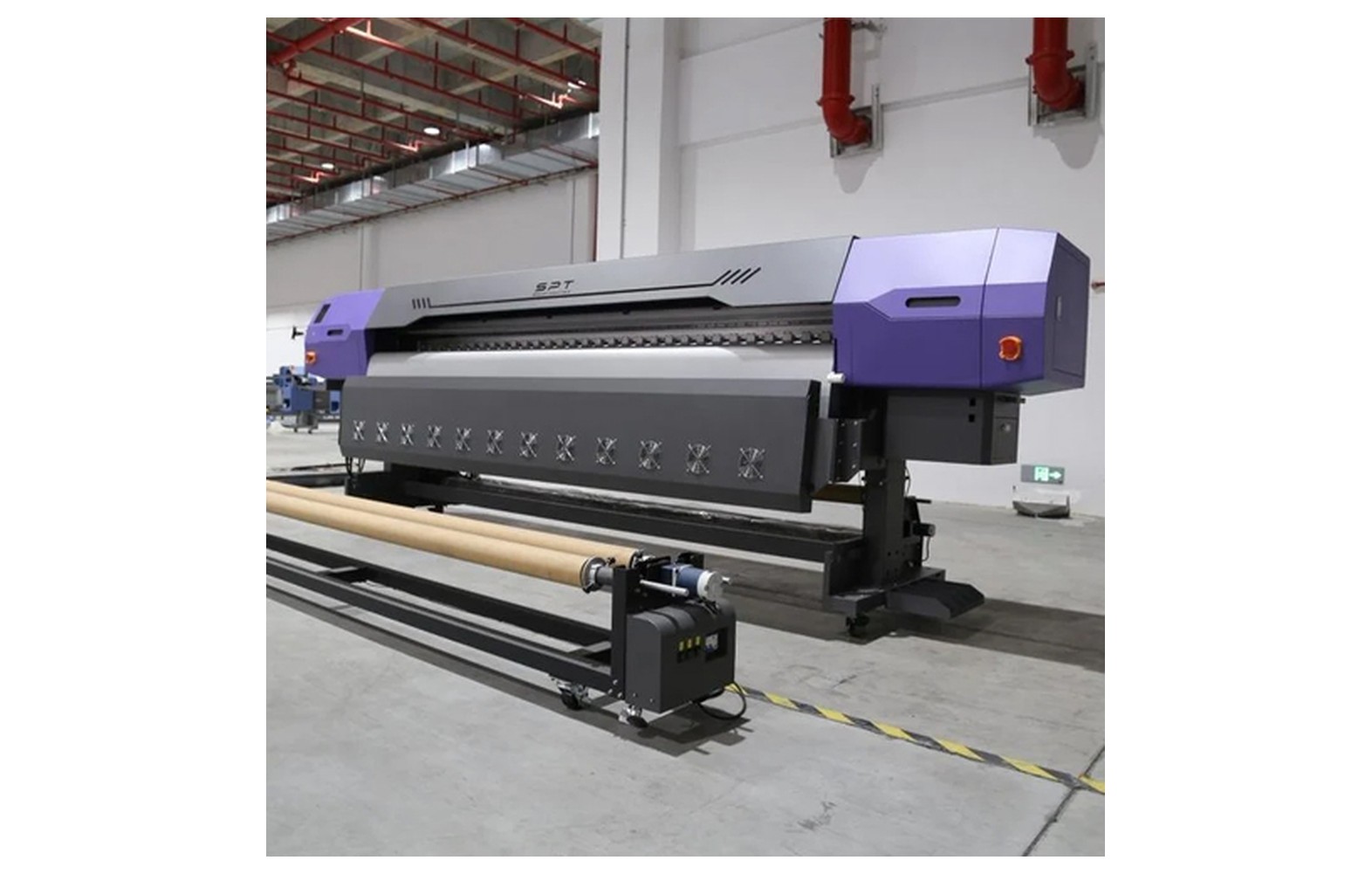
The width decision is the biggest money question in flex printing: a 10 ft (3.2 meter) machine costs a third of a 16 ft (5 meter) machine – but can never print a seamless highway hoarding. Buy too small and you watch big jobs drive past to competitors; buy too big and the machine eats its own payback in interest. This guide compares both widths on jobs, output, costs and clients so you size it right the first time. All figures are estimates (est.).
Head-to-Head Comparison
| Criteria | 10 ft (3.2m) flex machine | 16 ft (5m) flex machine |
|---|---|---|
| Machine price, 4-head class (est.) | Rs 6-14 lakh | Rs 14-22 lakh |
| Max seamless print width | about 10 ft usable | about 16 ft usable |
| Standard unipole face 15 ft | needs a seam | single seamless print |
| Highway mega hoardings 20-30 ft | multi-panel stitching | panel-count halved |
| Print speed class, 4 heads | 55-90 sqm/hr | 60-110 sqm/hr |
| Media roll availability | everywhere, all grades | standard grades everywhere; premium grades by order |
| Room and freight | fits 14-15 ft hall, normal truck | needs 24+ ft hall, big freight and 6-8 person rigging |
The Jobs Each Width Owns
| Job type | Better width | Why |
|---|---|---|
| City shopfront boards 8-10 ft high | 10 ft machine | seamless at that size, faster turnaround |
| Highway unipoles 15 x 10, 20 x 10 ft | 16 ft machine | seamless vertical face – the seam line is visible and agencies reject it |
| Election flex runs at wholesale rates | tie – volume game | both print fast; buyer with cheaper machine wins on rate |
| Building wraps and mall facades | 16 ft machine | fewer panels means fewer seams and faster install |
| Bus shelter and retail POS panels | 10 ft machine | small sizes – a 5m machine wastes capacity here |
| Backlit premium retail media | 10 ft fine-print machines | quality-focused heads beat raw width for premium close-view work |
The Money Math (est.)
| Line | 10 ft machine | 16 ft machine |
|---|---|---|
| Machine investment, production class 4-head | Rs 8-12 lakh | Rs 16-24 lakh |
| Daily realistic output | 4,000-7,500 sqft | 5,000-9,000 sqft |
| Average billing mix per sqft | Rs 5-12 | Rs 5-12 same rates, but bigger tickets per job |
| Seam labor on large hoardings | 2 workers extra on big jobs | mostly seamless – saves labor and rejection risk |
| Rent for required hall | smaller town-shop works | industrial-shed scale |
Buy 16 ft If – Buy 10 ft If
- 16 ft if: outdoor media agencies within 50 km, highway unipole owners call you by name, or your district has 2+ peak election seasons – seamless print wins tenders.
- 16 ft if: you plan wholesale printing for smaller shops – they send their 5m work to whoever owns the wide machine.
- 10 ft if: retail boards, event backdrops and POS panels are your daily bread – 90% of city work fits 10 ft.
- 10 ft if: budget is under Rs 15 lakh total – buy the best 10 ft instead of the cheapest, banding 16 ft.
- The upgrade path: many healthy shops run a 10 ft quality machine for fine work plus a 16 ft volume monster – growth by addition, not replacement.
Our Verdict
Count the seamless jobs first: if agencies bring you 15-20 ft unipole faces monthly, only the 16 ft machine collects that money – one lost season of mega hoardings costs more than the width upgrade. See the big-format economics inside the Rs 2 Cr flex hoarding plant case study, check the flex machine price guide for the full range, browse flex printing machines, and plan via the all-India printing business startup guide.
FAQs – 10 ft vs 16 ft Flex Printing Machine: Which to Buy
Is a 16 ft flex machine worth it over a 10 ft?
Only if seamless 15-20 ft hoarding work exists in your district: agencies reject visible seams on unipoles, so the 16 ft machine captures jobs a 10 ft simply cannot take. For shop boards and event backdrops, 10 ft covers 90% of work at a third of the machine cost (est.).
Can a 10 ft flex machine print 20 ft hoardings?
Yes – by printing panels and stitching or pasting them on site. It works for low-budget local hoardings, but premium agency work and highway unipoles demand seamless single-print faces that only a 16 ft machine delivers.
What is the price difference between 10 ft and 16 ft flex machines?
A production-class 10 ft 4-head machine runs Rs 6-14 lakh while the equivalent 16 ft runs Rs 14-22 lakh (est.). The gap widens at 8-head and premium-head classes where 16 ft machines reach Rs 32-55 lakh.
Which machine is better to start a flex printing business?
Most successful starters buy a solid 10 ft machine first, build clients on boards and backdrops, then add a 16 ft unit when agencies and wholesale work appear – entering flex with a 16 ft machine and no booked agency client is the classic over-investment story.
More 16 ft flex printing machine guides: 16 Feet Flex Machine Price Guide 2026, Hoarding Printing Business Guide, Konica 512i vs 1024i Printheads, 16 ft Flex Machine Running Cost, Star Flex vs Normal Flex Difference, 16 ft Flex Machine Installation Guide, Flex Printing Materials and Rates, 16 ft Flex Machine Maintenance Schedule, 16 ft Flex Plant ROI Case Study, Second-Hand 16 ft Flex Machine Checklist, Building Wrap and Facade Printing Guide, 16 ft Flex vs UV Roll-to-Roll, 15 Common Flex Machine Problems and Fixes, Unipole and Trivision Hoarding Guide.
Share your hoarding sizes and target buyers on the contact page – we reply with an exact machine quote, freight and installation plan for your city, with on-site training across India.
