

Updated: October 2026
Every flex seller shows you machine speed; nobody shows you a payback sheet. This case study opens one: a real-shape 8-head 5m plant at Rs 38-45 lakh all-in, month-by-month revenue scenarios from slow build-up to signed agencies, the net margin after every ledger line, and the honest payback timeline – including what delays it. All figures are estimates (est.).
The Investment Sheet (est.)
| Head | Amount (est.) |
|---|---|
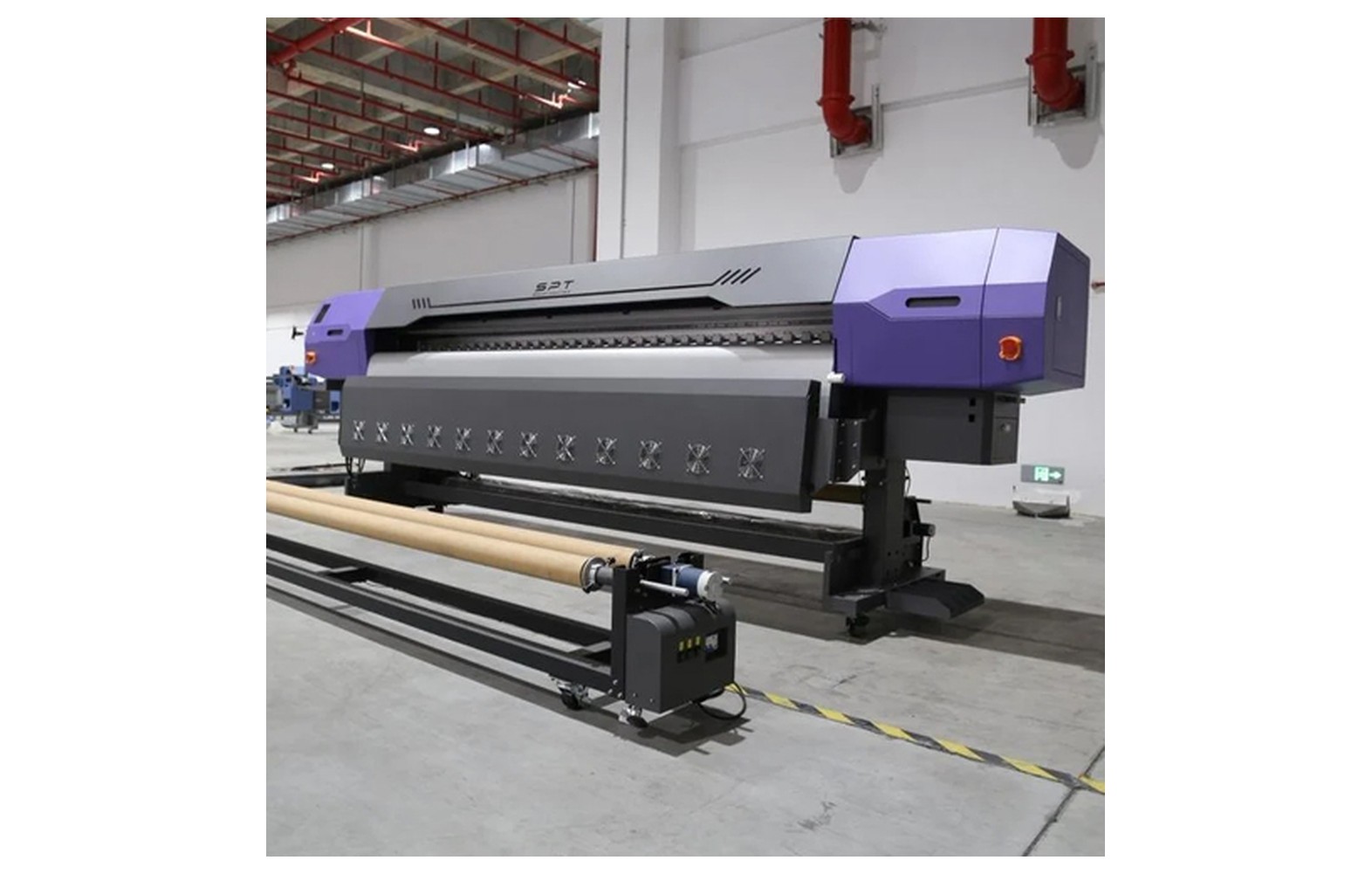
| 16 ft machine, 8 x Konica 512i, installed with rigging | Rs 24-30 lakh |
| Hall deposit plus fit-out, industrial area | Rs 2-4 lakh |
| Power load, stabilizer, earthing, wiring | Rs 1.5-2.5 lakh |
| Laminator 65-inch and finishing bench | Rs 1.2-2.2 lakh |
| Opening stock: media grades, ink, consumables | Rs 3-4 lakh |
| Working capital for agency credit cycles | Rs 5-8 lakh |
| Total all-in | Rs 37-50 lakh |
Revenue Scenarios Per Month (est.)
| Scenario | Daily volume | Blended rate per sqft | Monthly billing |
|---|---|---|---|
| Conservative: months 1-5, client building | 2,500 sqft | Rs 6 | Rs 4.5 lakh |
| Normal: agencies and wholesale running | 6,000 sqft | Rs 6.5 | Rs 11.7 lakh |
| Strong: full book plus seasonal overlays | 9,000 sqft | Rs 7 | Rs 18.9 lakh |
| Election peak months | 15,000 sqft | Rs 5.5 | Rs 24.7 lakh |
The Monthly Ledger at Normal Run (est.)
| Line | Monthly |
|---|---|
| Billing | Rs 11.7 lakh |
| Ink cost | minus Rs 1.1-1.6 lakh |
| Media where sold with media (mostly pass-through) | minus Rs 4-5 lakh |
| Staff: operator, helper, loader, accountant share | minus Rs 55,000-75,000 |
| Power, rent, admin | minus Rs 60,000-1,00,000 |
| Head reserve and consumables | minus Rs 25,000-40,000 |
| Machine EMI if financed, 60 months | minus Rs 45,000-60,000 |
| Net cash margin | Rs 3.5-5.5 lakh monthly |
Payback Timeline – Honest Bands (est.)
| Path | Payback on total investment |
|---|---|
| Slow path: one agency, irregular wholesale | 26-34 months |
| Normal path: 2 agency cards, steady wholesale, one election season inside 2 years | 14-20 months |
| Strong path: district monopoly position, tenders plus retail chains | 10-14 months |
What Delays Payback – The Real Killers
- Agency receivables at 90-120 days: the plant bills Rs 12 lakh and collects Rs 7 – under-funded working capital stops buying media mid-season. Fix: credit rules in writing from client one.
- Rate-war panic quoting: matching the Rs 3.5 guy without his cost sheet – know your Rs 2.8 number before opening your mouth.
- Head catastrophes with zero reserve: 2 dead heads in month 10 of a no-reserve plant equals 3 idle weeks and lost agencies.
- Over-bought stock: Rs 5 lakh of specialty media gathering dust while frontlit runs out – stock for the order book, not for optimism.
Three Moves That Shorten Payback
- Wholesale-quiet-week policy: give smaller shops overflow pricing in slow weeks – idle hours at Rs 3 margin beat Rs 0 hours at pride pricing.
- Lamination attach-rate: lamination adds Rs 2-4 per sqft on backlit and premium media at near-zero extra labor – attach it on every premium quote.
- Election-season pre-book: media and ink bought 60 days before poll announcement avoids the 20-30% season-surge prices that eat the very season you waited for.
Our Verdict
This plant class pays back in 14-20 months (est.) when agencies are signed before the machine arrives – the machine is never the risk, the unsigned order book is. Scale the same math at fleet level inside the Rs 2 Cr flex hoarding plant case study, compare indoor diversification in the Rs 1.2 Cr wallpaper UV plant case study, browse flex printing machines, and plan with the all-India printing business startup guide.
FAQs – 16 ft Flex Plant ROI Case Study: Payback Math 2026
How much does a 16 ft flex printing plant earn per month?
A settled 8-head plant billing Rs 11-19 lakh monthly clears roughly Rs 3.5-5.5 lakh net after ink, media pass-through, staff, power, reserves and EMI (est.). Election-season months can double volume at thinner rates but fatter totals.
What is the payback period of a flex printing machine?
14-20 months on total investment with 2 agency rate-cards and one election season (est.); 26-34 months on a thin client book; 10-14 months with district-monopoly positioning. Client contracts signed before machine arrival decide which band you land in.
Is a flex hoarding business still profitable in 2026?
Yes at the wide-format end: agency OOH spending keeps growing and 16 ft seamless capacity stays scarce in tier-2 and tier-3 districts. The unprofitable plants are the 10 ft retail shops fighting 20 same-size competitors – width is the moat.
Should I buy a flex machine on EMI?
Possible if the order book is pre-signed: an EMI of Rs 45,000-60,000 monthly (est.) is safe against Rs 3.5 lakh net margins but fatal against Rs 4.5 lakh conservative billings. Sign the agencies first, buy the machine second – the order of operations is the whole answer.
More 16 ft flex printing machine guides: 16 Feet Flex Machine Price Guide 2026, 10 ft vs 16 ft Flex Machine, Hoarding Printing Business Guide, Konica 512i vs 1024i Printheads, 16 ft Flex Machine Running Cost, Star Flex vs Normal Flex Difference, 16 ft Flex Machine Installation Guide, Flex Printing Materials and Rates, 16 ft Flex Machine Maintenance Schedule, Second-Hand 16 ft Flex Machine Checklist, Building Wrap and Facade Printing Guide, 16 ft Flex vs UV Roll-to-Roll, 15 Common Flex Machine Problems and Fixes, Unipole and Trivision Hoarding Guide.
Share your hoarding sizes and target buyers on the contact page – we reply with an exact machine quote, freight and installation plan for your city, with on-site training across India.
