



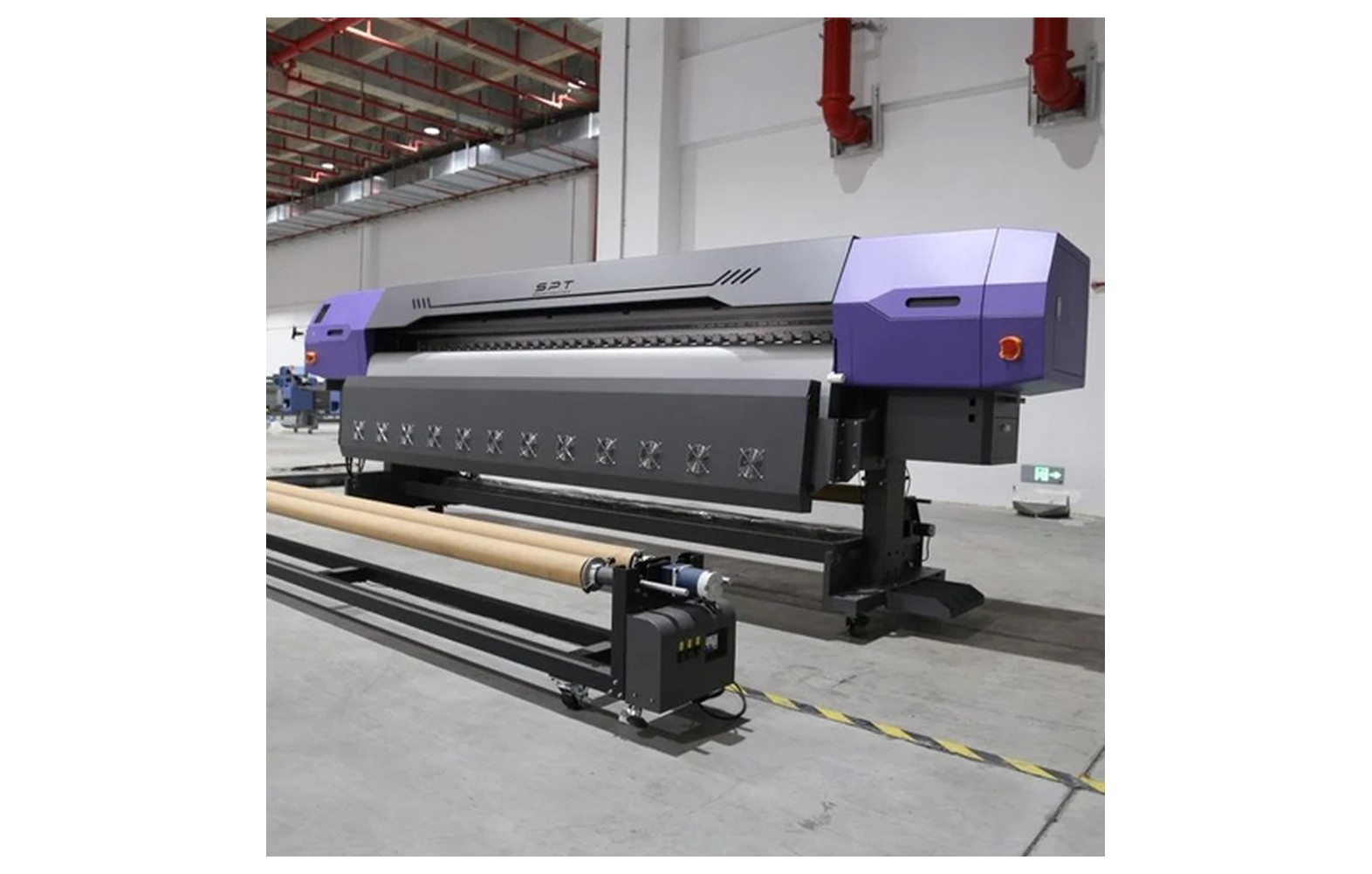
Direct answer: Consider buying the next printing machine when actual demand, a measured bottleneck, the complete workflow and a realistic cash plan support it. Compare the purchase with scheduling, finishing improvements and qualified outsourcing. A second printer alone does not guarantee more orders or profit.
Start with the Decision, Not the Advertisement
A new machine can add capability or capacity, but it also brings installation, training, consumables, maintenance, service and financial obligations. The right question is what specific customer problem or production constraint the purchase is intended to solve.
Define the product, customer, required output and evidence. A shop may need more accepted shirts, a supported label material or a backup route. These are different decisions and may not require the same equipment.
This guide is educational, not investment, legal or tax advice. Examples are hypothetical and are not market prices or promised returns. Use current quotations and qualified advisers for the actual business.
1. Verify Actual Demand
Review paid orders, repeat orders, written commitments and enquiries separately. A sample review or forecast is not the same as an approved order. A single large customer can also create concentration and payment risk.
Record product, quantity, deadline, price and customer payment terms. Ask which orders were declined or delayed because of a documented capacity constraint rather than assuming all enquiries could have become sales.
Model slower sales and a different product mix. Additional equipment does not guarantee that customers will buy enough to cover the new obligations.
2. Identify the Actual Bottleneck
Map artwork approval, blank sourcing, loading, printing, curing, pressing, cutting, inspection, packing and dispatch. The slowest or most constrained stage may be a heat press, cutter, partner or customer approval rather than the printer.
Measure accepted finished output for representative jobs. State whether setup, rework and packing are included. A maximum advertised print speed is not delivered capacity.
If finishing is the bottleneck, a second printer may create more work in progress without improving delivery. Compare the complete workflow before committing funds.
3. Check the Product and Material
The next machine may be intended for a new product rather than more of the same work. Confirm the actual substrate, coating, size, artwork, fixture and intended use. Textile DTF, sublimation, direct UV, decals and label printing have different requirements.
Ask the supplier to demonstrate the actual product. A successful print on one garment or coating does not prove compatibility with every item. A heat press applies a compatible transfer but does not print the artwork.
Agree wash, adhesion, handling or other tests with the customer and suppliers. A casual scratch or one wash is not a universal certification.
4. Compare Alternatives
A second shift, scheduling change, finishing improvement or qualified partner may address the constraint. Each option has staffing, quality, lead-time and cash implications.
For outsourcing, agree specifications, blanks, proof approval, tooling, confidentiality, defect remedies and delivery. Include internal coordination and inspection in the comparison.
For owned equipment, include site, installation, training, consumables, maintenance and service. Compare the same finished product scope rather than a printer price with a partner’s print-only charge.
5. Obtain Complete Quotations
Request an itemised quotation for the exact machine, software, fixtures, press or finishing equipment, installation, training, consumables, warranty and local service. Confirm tax, freight and exclusions.
Ask which tasks operators may perform and which require authorised service. Check spare-parts availability and the response process for a fault. A low headline price does not establish the lowest delivered cost.
Keep the quotation, supplier demonstration and sample together. Record whether the quote is current and which assumptions remain unverified.
6. Calculate Incremental Economics
Identify the additional revenue and costs attributable to the proposed change, using actual orders and clearly labelled forecasts. Include blanks, ink, labour, finishing, rejects, packaging, delivery and any additional overhead or financing.
Contribution is selling price minus defined variable costs. It is not net profit. The proposed equipment, staffing, financing, taxes and other expenses still need consideration.
For illustration only, a hypothetical item sold for Rs 200 with variable costs of Rs 120 contributes Rs 80. These invented values are not market rates or expected results. Use the actual product and cost records.
7. Plan Working Capital
More output can require more blanks, ink, wages and work in progress before customer invoices are collected. A positive contribution does not guarantee cash is available when supplier or loan payments are due.
Map deposits, stock, customer credit, taxes, financing and actual collection dates. Build a downside case with slower sales, higher rejects, delayed payment and service interruption.
Consult a qualified accountant or financial adviser. Break-even, cash flow and investment recovery are different analyses.
8. Assess Site and Utilities
Collect nameplates and manuals for the new machine and separately powered accessories. A qualified electrician should assess supply, circuits, protection and earthing under applicable requirements. Do not size a stabiliser or UPS using a generic multiplier.
Review space, safe access, storage and ventilation for the actual materials and tasks. A room fan alone does not establish exposure control. Read safety data sheets and seek qualified workplace advice where needed.
Keep UV shielding, laser guards and interlocks in place. Stop for leaks, smoke, damaged equipment or electrical warnings and use qualified personnel for restricted service.
9. Plan People and Training
Define who handles sales, artwork, machine operation, finishing, inspection, packing and service escalation. A new machine may need training and supervision even if the business already operates another printer.
Electrical enclosures, ink lines, UV lamps and restricted mechanical adjustments require qualified personnel. Operators should know normal shutdown, emergency reporting and the limits of their authority.
Include training time and founder labour in the operating plan. Do not assume an extra machine produces acceptable output without the required staff and quality controls.
10. Protect Quality During Expansion
Approve a physical sample on the actual product and agree colour, placement and relevant wash, adhesion or handling tests. A casual scratch or one wash is not a universal certification.
Document materials, artwork version, ink or transfer, fixture, settings and finishing. If the new machine or supplier changes the process, determine whether a new customer proof is required.
Food-contact products, electronics and protective clothing can require specific manufacturer approvals and qualified compliance review. A new printer does not establish finished-product safety.
11. Review Financing and Risk
Compare purchase, lease or other financing only after obtaining current terms and qualified advice. Distinguish equipment purchase, accounting expense, interest and principal cash payments. Avoid double-counting without understanding the model.
Review customer and supplier concentration, stock, service delays and the effect of a rejected batch. Set a decision owner and review point for the proposed purchase.
Do not present a forecast as an actual return or promise a fixed payback. A business model depends on real orders, costs, utilisation and collection.
Decision Matrix
| Question | Evidence | Possible next step |
|---|---|---|
| Is demand repeatable? | Paid orders and customer history | Validate the product and downside case. |
| Where is the bottleneck? | Measured accepted output and workflow timing | Compare finishing, scheduling, partner or printer options. |
| Is the product supported? | Supplier documentation and physical sample | Agree quality and safety tests. |
| Can the business fund it? | Itemised quote and cash-flow scenario | Review financing and working capital with an adviser. |
| Can it be maintained? | Training, warranty and service terms | Document commissioning and escalation. |
The matrix is a planning aid, not an automatic purchase recommendation.
Illustrative Scenario: The Press Is the Bottleneck
A hypothetical garment shop has repeat orders and considers a second printer. Timing records show that the heat-press and inspection stages limit accepted output. The founder compares an approved finishing improvement, scheduling change and qualified partner before buying another printer.
The shop tests the actual garments and models the complete cost and cash timing. This is a planning example, not a real customer case or guaranteed outcome.
Illustrative Scenario: A New Label Product
A hypothetical shop receives enquiries for product labels it does not currently make. It tests the actual container, adhesive and artwork with a converter and obtains a complete printer, cutter and finishing quotation.
The founder separates paid pilots from forecasts and reviews product-specific regulatory responsibilities. Equipment is not purchased solely because a machine can print a sample.
Investor and Founder Questions
- Which orders are paid or contracted, and which are forecasts?
- What is the measured bottleneck and accepted output?
- Does the machine support the actual product and finishing?
- What alternatives were compared on the same cost scope?
- What installation, staffing, service and cash obligations are added?
- What happens if demand is slower or a customer pays late?
- What safety and product-specific approvals remain outstanding?
- Who approves spending and reviews the result?
Related Guides
Continue with facility expansion planning, working capital and unit economics. Use actual records and qualified advice for your decision.
How to Measure the Existing Workflow
Choose a representative order and follow it from approved artwork through dispatch. Record waiting time and active work separately where practical. Include material preparation, machine setup, printing, curing, cutting, inspection, rework and packing.
Count accepted output and note the product, mode, staff and equipment used. If the order was unusual or the machine had a fault, record that context. One result is evidence for that job, not a universal capacity figure.
Review several relevant orders where possible. The constraint can change with product mix: a complex artwork job may wait for design approval, while a simple batch may wait for finishing or packing.
Testing a Partner Before Buying
A qualified production partner can provide a comparison point. Give the partner the actual artwork, material, quantity, finishing and delivery requirements. Ask for a physical sample and itemised delivered quotation.
Agree who supplies blanks, approves proofs, owns tooling and handles rejects. Review confidentiality and customer-data responsibilities. A low print-only charge is not the same as a complete fulfilled order.
Use the pilot to measure lead time and quality. One successful partner order does not guarantee future availability, but it helps test an alternative to immediate equipment ownership.
Reviewing Equipment Utilisation
Record actual scheduled work, maintenance, faults and idle time using definitions suited to the business. A machine can be busy producing low-contribution work or idle because demand is insufficient; utilisation alone does not establish profitability.
Compare the proposed machine’s supported products with actual orders. If the new capability depends on a different ink, fixture or finishing process, include the complete setup and training.
Do not calculate a guaranteed payback by multiplying the machine’s maximum speed by a generic selling price. Use stated assumptions, actual evidence and qualified financial advice.
Installation and Commissioning
Before delivery, confirm the site layout, safe access, electrical supply, ventilation and storage requirements with the supplier and qualified professionals. The actual machine and accessories determine the requirements.
Follow the manufacturer’s installation and training procedure. Retain commissioning records, approved samples and service contacts. Do not start production with unresolved safety warnings or bypassed guards.
Test the complete workflow after installation, including finishing and packing. A machine that runs during commissioning has not automatically proven the full delivery process.
Quality and Change Control
When a new machine, ink, profile or blank changes the output condition, produce a representative proof on the actual product. Agree colour, placement and relevant performance tests with the customer.
Keep the old and new samples and record the configuration. If a customer requires a recognised test method, use it correctly and involve a qualified laboratory where needed. A casual scratch or one wash is not universal certification.
Do not substitute a visually similar material without approval. Coating, adhesive or fabric differences can affect adhesion, colour and intended use.
Planning for a Slow Month
Model the cash obligations if sales are lower than forecast. Include equipment payments, rent, wages, service and supplier commitments as applicable. Separate cash timing from contribution and accounting profit.
Identify which costs can be delayed or changed and which remain payable. Do not assume an investor or customer will provide additional cash without an agreement.
A qualified accountant or financial adviser can review the scenario and proposed financing. The aim is to understand risk, not to promise an outcome.
After the Purchase Decision
If the business buys the machine, document the reason, assumptions, quote and review date. If it defers, record what evidence would trigger another review, such as repeat orders or a measured bottleneck.
After implementation, compare actual accepted output, defects, costs and collection timing with the original plan. Explain material differences and update the forecast. Do not present a hypothetical result as a customer case study.
Keep the approved sample, service contacts and training records available to responsible staff. Review the plan when the product, supplier or customer terms change.
Supplier Questions for the Actual Machine
- Which substrates, sizes and finishing workflows are supported?
- Can the supplier demonstrate the customer’s artwork on the actual blank?
- What does the quote include for software, fixtures, installation and training?
- What maintenance can an operator perform, and what requires service?
- What are the warranty exclusions and spare-part arrangements?
- What electrical, ventilation and site requirements apply?
- How will the machine be tested after commissioning?
Keep the answers in writing and compare offers on the same scope. A supplier’s statement about maximum speed or a generic material category is not a substitute for the actual sample.
Documenting the Customer Case
Before using customer orders as investment evidence, confirm which orders are paid, contracted or only under discussion. Record the actual product and quantity and obtain permission before sharing confidential customer details.
A repeat customer can provide useful evidence, but concentration and credit terms still matter. Model what happens if that buyer delays payment or changes the specification.
Separate historical data from a forecast for the new machine. Do not claim that additional equipment guarantees the customer will order more.
Keep the base and downside scenarios with their source dates. After a pilot or installation, compare actual accepted output, defects, supplier invoices and customer collection with the assumptions. Update the decision record when evidence changes rather than treating a forecast as a guaranteed outcome.
Set a review date before committing funds and identify the person authorised to change the plan. Preserve the original quote and measured baseline so the team can compare actual accepted output, cost and customer delivery after implementation.
Frequently Asked Questions
When should a printing startup buy another machine?
Review actual demand, the measured bottleneck, complete costs and cash flow before committing to additional capacity.
Does another printer guarantee more orders?
No. Additional equipment does not automatically create demand or solve a finishing bottleneck.
Is advertised speed the same as finished capacity?
No. Setup, finishing, rejects, inspection and packing affect accepted output.
Should outsourcing be compared with buying?
Yes. Compare qualified partners and in-house production using the same finished-product scope and written responsibilities.
Is contribution per item the same as profit?
No. Fixed costs, financing, tax and other expenses still need to be considered.
Does a new machine need a site assessment?
Yes. Follow manufacturer requirements and obtain qualified electrical and workplace safety assessments for the actual site.
Does a purchase forecast guarantee payback?
No. Forecasts depend on assumptions and actual results. Obtain qualified financial advice.
