



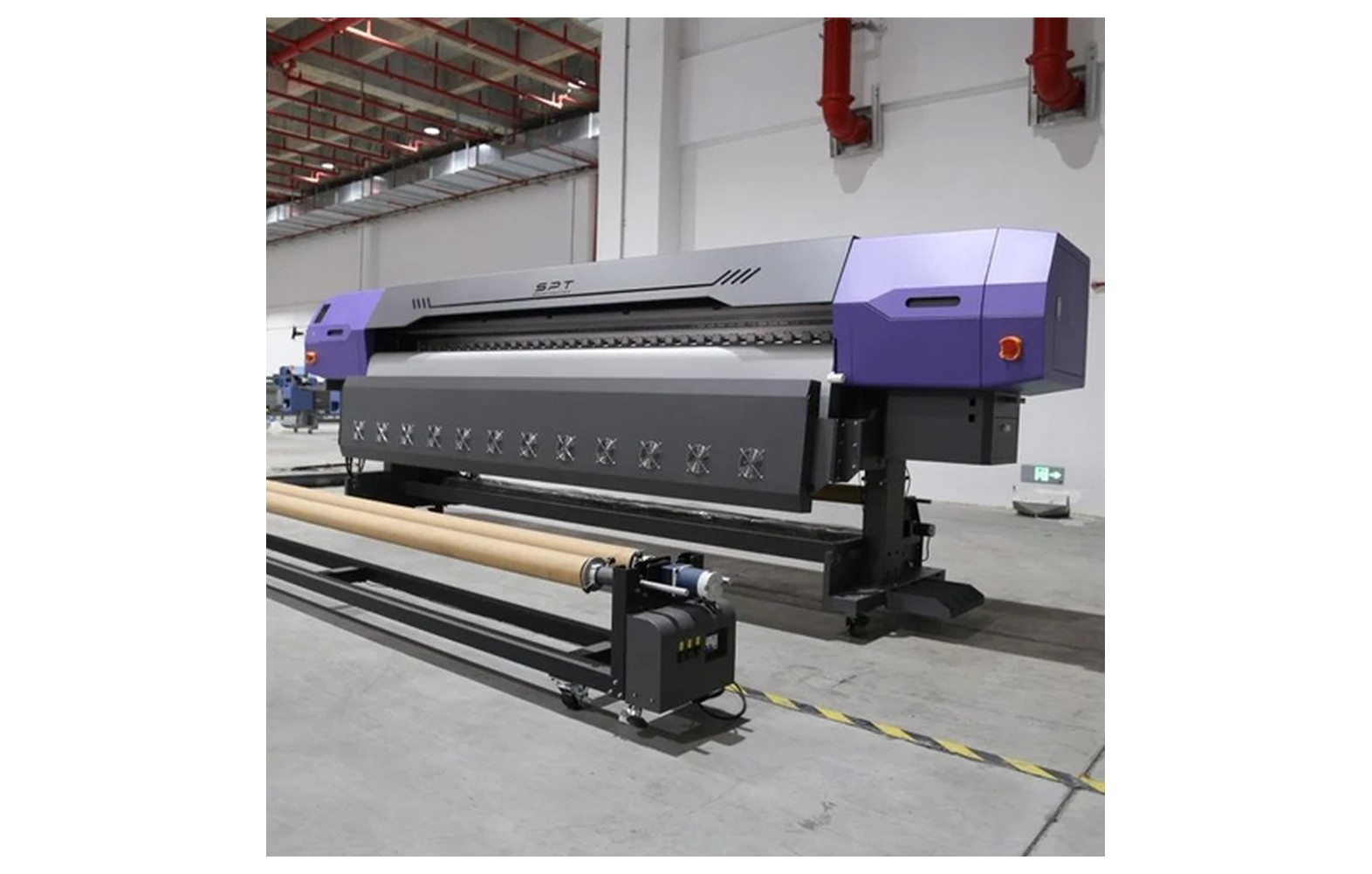
Direct answer: Scaling print-on-demand without compromising quality requires verified customer demand, product-specific specifications, approved samples, controlled order and artwork handling, reliable fulfilment partners and measured accepted output. More printers or website traffic alone do not guarantee quality, delivery or profit.
What Scaling Means for Print-on-Demand
Print-on-demand produces or arranges an item after an order is received. Scaling means handling more orders or products while maintaining the agreed quality, delivery and customer-support process. A business can own production, use qualified partners or combine both.
POD can reduce some finished-goods inventory but does not eliminate blanks, partner stock, packaging, returns or working-capital needs. A single shirt or mug still needs artwork checks, production, finishing, inspection and dispatch.
This guide is educational, not legal, tax or investment advice. Examples are hypothetical and do not represent real customer outcomes or guaranteed returns. Use actual records and qualified advisers for the business.
1. Verify Demand Before Adding Capacity
Review actual paid orders, repeat purchases, product variants and customer feedback. Separate website visits, enquiries and forecasts from confirmed orders. A successful sample or pilot does not guarantee sustained demand.
Identify which products and customers drive the workload and whether demand is concentrated in a few designs or accounts. Model slower sales and changes in product mix before committing to equipment or stock.
Ask what customer problem the expansion solves: delayed dispatch, inconsistent quality, limited product availability or another measured issue. More capacity does not automatically create orders.
2. Define Each Product Specification
Record the actual blank, fabric or coating, size, artwork area, ink or transfer, fixture, finishing and intended use. A dark cotton shirt, coated mug and painted bottle require different workflows.
Textile DTF, sublimation, direct UV and UV DTF are not interchangeable. A heat press applies a compatible transfer but does not print the design. A decal is not guaranteed to adhere to every hard surface.
Approve a physical sample on the actual product and keep the supplier instructions. A visually similar blank from another supplier may need a new proof.
3. Control Artwork and Variable Data
Check the final size, crop, spelling, orientation and any white or special layers. A small image from a messaging app can become blurred when enlarged. Some transfer workflows require mirroring; follow the actual RIP and supplier instructions.
Use a controlled production version and record customer approval. For individual names or photographs, use an approved list and define who can authorise changes.
Obtain permission to reproduce artwork and protect customer files under the agreed access, transfer, retention and deletion policy. Do not store passwords or unnecessary personal information in a shared machine log.
4. Map the Order-to-Dispatch Workflow
- Order intake: Confirm the product, variant, quantity, address and payment status.
- Preflight: Check artwork, rights, model or size and the approved specification.
- Fulfilment: Produce in-house or route a controlled order to an approved partner.
- Finishing: Complete curing, pressing, cutting or assembly as required.
- Inspection: Compare the finished item with the approved proof and criteria.
- Packing: Match the item to the order and use agreed packaging.
- Dispatch: Record the delivery method and customer communication.
- Support: Handle defects, delays, returns and reprints under the written policy.
Assign a responsible person and escalation route to every step. A printer is only one part of fulfilment.
5. Qualify Partners and Handoffs
For outsourced work, agree the blank, artwork, proof, finishing, lead time, packaging and defect responsibilities. Confirm whether the partner may substitute materials or subcontract. A low print-only charge may exclude shipping, inspection or rework.
Test a representative order and record the result. If the partner changes a garment, coating or supplier, obtain a new sample and customer approval where appropriate.
Define how customer files are transferred and deleted. Outsourcing does not remove responsibility for the customer promise or product-specific safety requirements.
6. Measure Accepted Finished Output
A printer’s maximum advertised speed is not the same as orders packed and dispatched. Artwork checking, loading, printing, curing, pressing, cutting, inspection, rework and packing all affect throughput.
Time representative jobs and count accepted output. State what is included in the measurement. A single favourable demonstration may not represent every product mix or peak period.
The bottleneck can be a partner, proof approval or packing station rather than the printer. Compare improvements or additional capacity against the measured constraint.
7. Control Defects and Reprints
Define a defect consistently and record the product, cause where known, reprint, extra blank, labour and shipping. Separate production errors from customer-approved artwork changes or delivery damage according to the written terms.
Do not use an unverified industry return rate as fact or count the same reject allowance twice in the cost model. Update assumptions from actual records after pilots and production.
If a batch fails, preserve samples and stop affected work. Change one authorised variable at a time and consult the supplier when the cause is unclear.
8. Approve Product Performance
Agree wash, adhesion, handling or other tests appropriate to the actual item. A casual scratch or one wash is not a universal certification. Define sample preparation, timing and acceptance criteria with the customer and suppliers.
A UV print that feels dry does not prove complete cure or adhesion. Food-contact products, electronics and protective clothing can require product-specific manufacturer approvals and qualified review.
Do not promise that a print will never fade, crack or peel. Provide care instructions supported by the suppliers and approved tests.
9. Model Unit Economics
For a defined accepted delivered order, include blank, ink or transfer, job-specific labour, finishing, packaging, shipping, payment fees and a reasoned reject allowance. Use actual supplier quotations and measured work.
Contribution is selling price minus defined variable costs. It is not net profit; fixed overhead, financing, taxes and other expenses remain. Define whether customer acquisition and support are included in the calculation.
For illustration only, a hypothetical order sold for Rs 500 with Rs 320 of variable costs contributes Rs 180. These invented values are not market rates or expected results. Test a reprint, higher freight and a lower selling price.
10. Plan Working Capital
Blanks, partner deposits, wages and shipping may be paid before a customer or platform remits funds. Inventory, refunds and work in progress can tie up cash even when an order has positive contribution.
Map payment dates, supplier terms, taxes, equipment obligations and actual receipts. Build a downside case for delayed collection, slower sales or a rejected batch. A qualified accountant or financial adviser can review the actual model.
Do not promise a fixed margin or payback period. An own-store channel can have marketing and transaction costs; a marketplace’s fees and policies depend on its actual agreement.
11. Manage Stock and Substitutions
Track blank availability by garment size and colour, mug or bottle type and other relevant variants. A POD model does not necessarily eliminate supplier stock or minimums.
Agree who can approve a substitute and whether a new proof is required. A visually similar garment or coating can change colour, adhesion or care performance.
Record supplier lead times and replacement terms. Do not promise a dispatch date that depends on unconfirmed stock.
12. Protect Data and Platform Operations
Use approved systems for customer names, photographs, addresses and artwork. Agree access, transfer, retention and deletion procedures with partners. Do not store passwords or encoding keys in a shared machine log.
Plan for failed payments, incorrect addresses, duplicate orders and restoration from backups. A website or marketplace listing alone does not establish a reliable fulfilment process.
Obtain qualified legal and cybersecurity advice appropriate to the data and jurisdiction. For unknown USB drives, follow the organisation’s security procedure rather than connecting them blindly.
13. Plan Safety and Service
For owned equipment, collect nameplates and manuals for printers and accessories. A qualified electrician should assess supply, protection and earthing. Do not size a stabiliser or UPS with a generic multiplier.
Review safety data sheets for inks, powders, adhesives and cleaners. Ventilation depends on the actual process; a room fan alone does not establish exposure control. Keep UV shielding, laser guards and interlocks in place.
Follow manufacturer maintenance and service procedures. Ask partners about product approvals and safety responsibilities. A maintenance log supports diagnosis but does not guarantee zero downtime.
Quality Metrics for Scaling
| Measure | What to record | Why it matters |
|---|---|---|
| Accepted orders | Finished products and time scope | Shows practical throughput. |
| Reprints and returns | Reason, count and cost | Reveals quality and delivery losses. |
| Proof errors | Artwork, model, spelling or placement issue | Improves preflight and approval. |
| Dispatch time | Approved order to dispatch | Tests the customer promise. |
| Cash collection | Supplier payments and customer receipts | Shows working-capital pressure. |
| Partner performance | Lead time, defects and remedies | Highlights external dependencies. |
Use consistent definitions and source records. Do not substitute generic online return rates or margins for actual data.
Illustrative Scenario: A Growing Shirt Store
A hypothetical store receives repeat orders for a compatible shirt. It records accepted output, reprints and dispatch time and discovers that artwork checking and packing constrain fulfilment.
The founder compares an improved preflight process and a qualified partner with another printer. A physical garment sample and wash test remain part of the approval. This is not a real customer result or guaranteed return.
Illustrative Scenario: Mixed Corporate Gifts
A hypothetical supplier coordinates mugs and notebooks with individual names. Each item has its own specification, proof and partner lead time. The customer approves the list and packaging.
The supplier checks each kit against the order and records defects and payment timing. A power bank added to the kit requires separate manufacturer approval and should not be treated as an ordinary printed panel.
Common Scaling Mistakes
- Treating traffic or enquiries as confirmed repeat demand.
- Adding products without testing the actual blank and process.
- Using maximum printer speed as delivered capacity.
- Omitting reprints, shipping, support or partner fees from costs.
- Calling contribution or revenue net profit.
- Assuming POD eliminates stock, refunds or working capital.
- Ignoring artwork rights, customer data and supplier substitutions.
- Promising durability or returns without evidence.
Founder and Investor Checklist
- Confirm actual orders, product mix and the customer promise.
- Document each product, approved sample and performance test.
- Map order intake, partner handoffs, production and dispatch.
- Measure accepted output, reprints and fulfilment time.
- Calculate contribution and cash timing with stated assumptions.
- Review stock, supplier, safety and data responsibilities.
- Compare capacity options and downside scenarios.
- Obtain qualified legal and financial advice before funding.
Related Guides
Continue with print-on-demand startup planning, scaling a printing company and working capital. Use actual records and qualified advice for your business.
Building a Product Approval Library
Keep a separate record for each blank and process: supplier, material, coating or fabric, dimensions, artwork area, ink or transfer, fixture, finishing and approved physical proof. A shirt, mug and bottle should not share a generic approval simply because they use the same logo.
Record the intended care and the agreed test method. For a customer-supplied item, confirm manufacturer guidance and document its condition with permission. Do not heat, print or mark unknown electronics or protective products by assumption.
When a supplier changes a blank or the business adds a new print partner, produce a representative sample. Decide with the customer whether a new approval is required. Keep the earlier record for comparison.
Managing Peak Periods Without Hiding Risk
Review actual order history and supplier lead times before forecasting a peak. A previous busy period does not prove that the next one will have the same demand, product mix or costs. Label forecasts and disclose the assumptions.
Confirm blank availability, artwork approval deadlines, partner capacity and dispatch commitments. Agree who can approve a substitute and how a delay will be communicated. A visually similar garment or coating may need a new proof.
Do not bypass quality checks, guards or safety procedures to meet a deadline. If the approved workflow cannot deliver the order, discuss a revised date or supported alternative with the customer.
Reviewing a Fulfilment Partner
Request a demonstration using the actual artwork and blank. Ask which equipment, ink or transfer, finishing and packing are included. Measure the time from approved order to dispatch and inspect the complete product.
Review written terms for data handling, subcontracting, defects, reprints, refunds and delivery damage. Ask whether the partner can substitute a material without approval and how stock shortages are communicated.
Record actual partner performance after a pilot. One successful order does not guarantee future availability. A backup partner should be tested before it is needed urgently.
Planning Returns and Reprints
State the customer-facing process for an incorrect item, production defect or delivery damage, subject to applicable law and channel terms. Personalised products may require special handling, but a generic policy should not be assumed to override customer rights.
Track the extra blank, production, packing, shipping and customer-support time. Distinguish a customer-approved artwork error from a production defect according to the written agreement. Use these records to update the order economics.
Do not claim that a particular return rate is normal for every POD business. Actual results depend on products, suppliers, customers and the quality process.
Investor Review of a Scaling Plan
Separate historical paid orders, repeat purchases and forecasts. Explain the product mix, partner responsibilities, accepted-order contribution, cash timing and the proposed use of funds. Identify which costs are supported by current quotations.
Present a downside case for slower sales, higher reprints, delayed payment and partner interruption. Obtain qualified legal and financial advice for the actual funding terms. A documented plan supports review but cannot guarantee a return.
Reviewing an Expansion After a Pilot
Compare actual accepted orders, reprints, dispatch time, supplier invoices and customer receipts with the original assumptions. Record what changed and whether the pilot represents the intended product mix.
If the measured bottleneck is artwork checking or packing, assess that stage before buying another printer. If a partner cannot support the proposed volume, test an approved alternative rather than promising an unverified deadline.
Keep the approved samples, written terms and cost sources with the decision record. Update the plan when evidence changes; do not present a revised forecast as a guaranteed outcome.
Set a review point before committing to a new product or machine. Keep the approved sample, supplier terms and cost assumptions together, and compare them with actual orders after launch. A documented review supports clearer decisions but does not guarantee a particular return.
Frequently Asked Questions
What helps a POD business scale reliably?
Document product specifications, approved samples, order handling, partner responsibilities, quality and cash flow.
Does more equipment guarantee more orders?
No. Capacity must be supported by actual demand and the complete fulfilment workflow.
Is print-on-demand inventory-free?
Not necessarily. Blanks, partner stock, packaging, refunds and working capital may still matter.
How should POD quality be checked?
Approve a physical sample on the actual item and agree relevant performance tests with customers and suppliers.
Can POD production be outsourced?
Yes. Define specifications, proofs, data handling, quality, lead time and defect responsibilities with qualified partners.
Is contribution per order the same as profit?
No. Fixed costs, financing, tax and other expenses still need to be considered.
Does a scaling forecast guarantee a return?
No. Forecasts depend on assumptions and actual results. Obtain qualified advice.
