



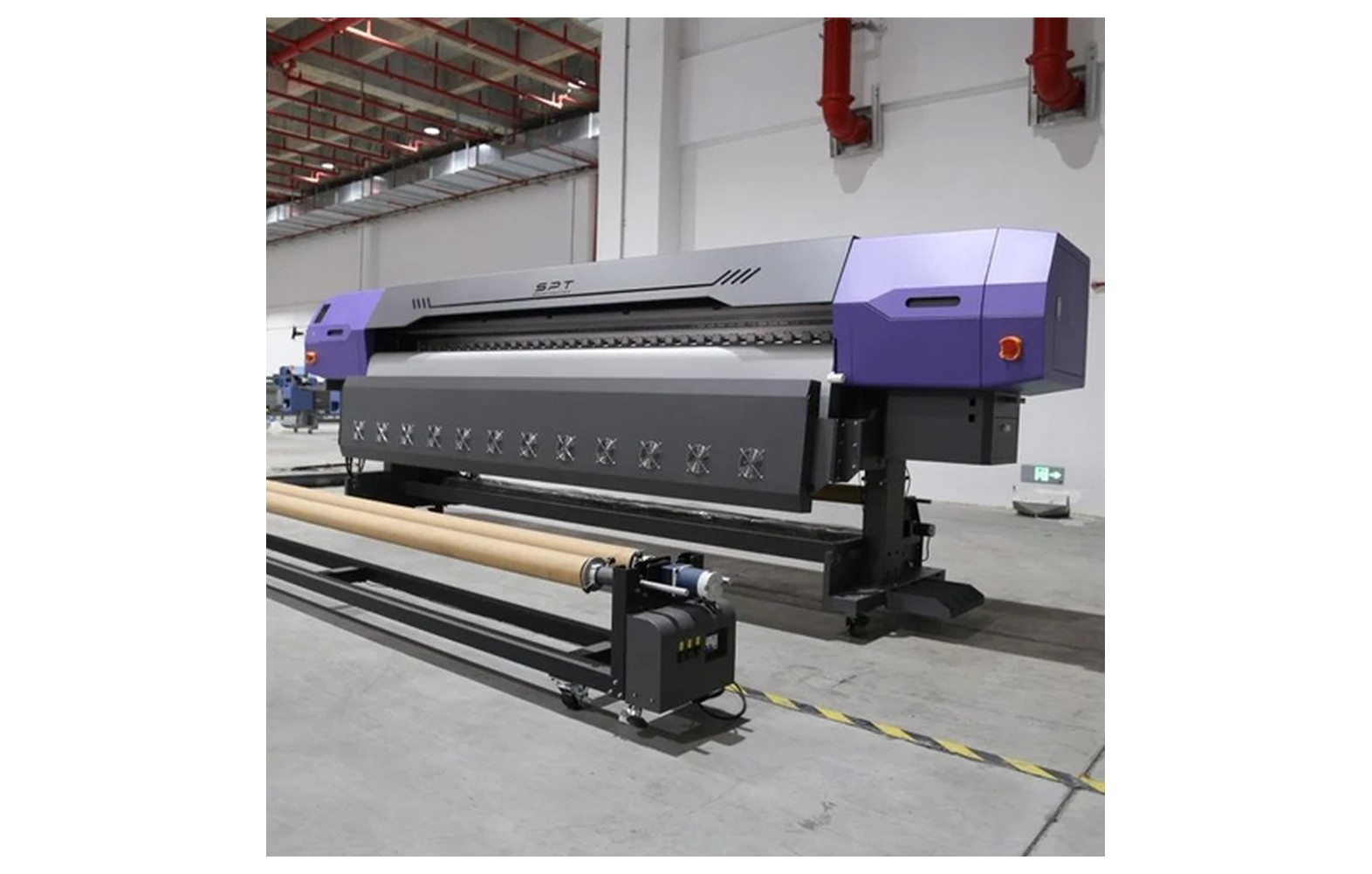
Direct answer: The product material, shape, colour, artwork, quantity and intended use decide the branding method. No single printer works on every item. Use this chart to shortlist methods, then confirm compatibility with the item and equipment suppliers and test a finished sample.
Compare the Methods
| Method | How it works | What to check |
|---|---|---|
| Cotton T-shirt or hoodie | DTF, suitable screen printing, DTG or HTV. | Check fabric, dark-colour opacity, seams and wash requirements. |
| Light polyester jersey | Sublimation, or other compatible garment methods. | Check the fabric and whether the design is on a finished garment or panels. |
| Cap or polo | Compatible transfers, screen printing or embroidery. | A cap press applies transfers; embroidery needs suitable frames. |
| Coated mug or photo panel | Sublimation on an explicitly compatible blank. | Use the blank supplier settings and check coating. |
| Bottle or tumbler | UV DTF, suitable rotary/direct UV, approved sublimation blank or laser marking. | Test the item and keep branding away from food and mouth contact. |
| Glass jar or trophy | Suitable UV, UV DTF or laser processes. | Check shape, adhesion, equipment fit and handling. |
| Phone case or gadget accessory | Direct UV or compatible decals; other methods depend on the product. | Do not assume any coating or electronic item accepts every process. |
| Pen, USB drive or power bank | Pad, UV, decal or appropriate laser methods where product-approved. | Avoid ports, safety labels, batteries and unsafe heat. |
| Sticker, label or hang tag | Suitable sheet or roll printing and cutting methods. | Confirm face material, adhesive, finishing and artwork. |
| Packaging, paper bag or notebook | Digital, offset, flexographic or specialist finishing as suitable. | Printing and cutting, binding or converting can be separate operations. |
Buying and Production Checklist
- Start with the exact item and supplier specifications, not a machine name.
- Approve a physical sample and test adhesion, curing, washing or handling as appropriate.
- Keep inks and decals away from food-contact areas unless the full system is verified for that use.
- Compare complete quotations including blanks, accessories, finishing, labour and service.
Budget and Supplier Questions
Prices vary by model, capacity, accessories, installation and service. Ask for a current itemised quotation including applicable tax, training, consumables and maintenance. Obtain a physical demonstration and sample before making a purchase.
See the material compatibility chart. Share your items and expected volume on our contact page.
Product-by-Product Guides
- T-shirt machines
- Jersey machines
- Cap machines
- Bottle and tumbler machines
- Pen machines
- Keychain machines
- Mousepad machines
- Packaging box machines
- Paper bag machines
- ID cards and lanyards
Frequently Asked Questions
Is there one printer for all branded merchandise?
No. Garment, coated-blank and hard-surface processes use different materials and equipment. A heat press can apply different compatible transfers but does not print them.
What prints on a dark cotton T-shirt?
Consider DTF, suitable screen printing, DTG or opaque HTV, depending on the artwork and garment. Test the selected process on the actual blank.
How do I choose a method for a bottle?
Identify the material, coating, shape and intended use. Compare compatible UV DTF, direct UV, approved sublimation blanks or suitable laser marking with a physical sample.
