



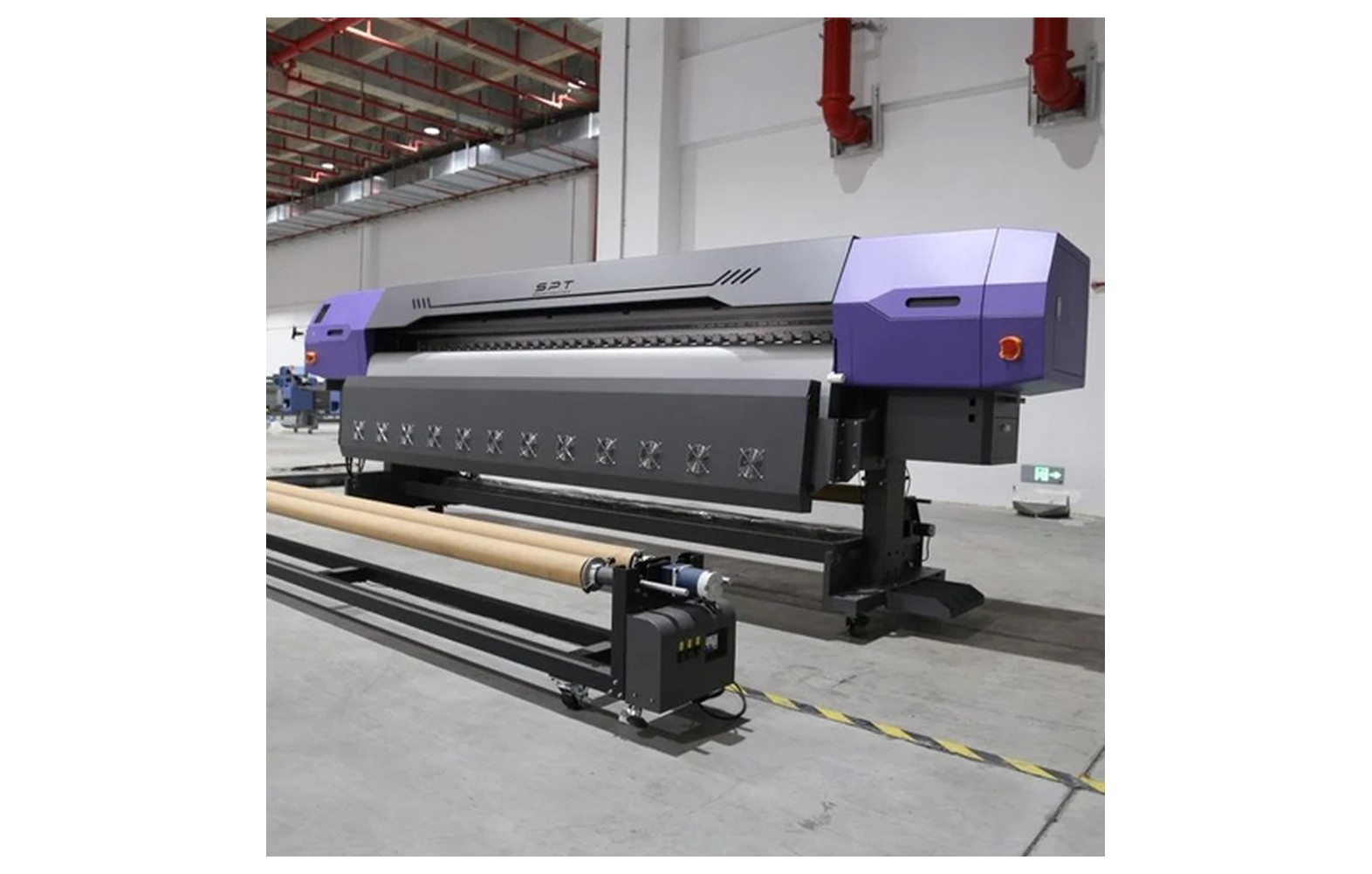
Direct answer: Industrial equipment nameplates and identification labels must be designed for the actual equipment, surface, environment and authorised information. The equipment manufacturer and qualified compliance team determine required markings and durability tests. A printer, adhesive or visually clear plate alone does not establish safety or regulatory compliance.
Why Nameplates Are Safety-Critical
A nameplate can identify equipment and communicate manufacturer-approved ratings, model, serial or other information. Operators and service personnel may rely on those details when assessing installation or service. A wrong rating, unreadable marking or misplaced label can create a safety and traceability problem.
The required content, attachment, legibility and durability depend on the equipment, intended use, market and applicable standards. A print supplier should not invent a voltage, current, serial number or certification mark.
This guide is for planning and supplier discussion, not electrical, engineering or regulatory advice. The equipment manufacturer, qualified engineer and compliance team must determine current requirements for the actual product and jurisdiction.
Nameplate, Asset Tag and Warning Label
A manufacturer nameplate, an internal asset tag and a safety warning can serve different purposes. A generic asset sticker is not automatically a replacement for an equipment rating plate or a safety label.
The manufacturer should define which information belongs on each component, where it is placed and what approval is required. Do not cover or alter an existing rating, certification mark or warning without authorisation.
If a plate is damaged or unreadable, the equipment owner should contact the manufacturer or authorised service provider. A print shop should not reconstruct missing ratings from another machine.
Controlled Artwork and Authorised Data
The manufacturer should supply approved artwork and identify the authorised source for model, serial, ratings, symbols and variable data. Record the equipment variant, destination market, plate dimensions and artwork version.
Similar machines can have different electrical requirements. A label supplier must not copy a voltage, phase, current or frequency from a visually similar product. Any uncertainty should be escalated before production.
Use controlled files and an approval trail. A deadline does not justify silently changing a rating or certification mark.
Material and Attachment
Plates and labels can use metal, polymer or other materials with mechanical fasteners or adhesive. The equipment surface, shape, coating and intended environment affect the choice.
Ask the manufacturer about the approved attachment, surface preparation, service life and removal or replacement procedure. An adhesive described as permanent is not automatically suitable for every machine surface.
Do not attach or replace a plate on energised equipment as an improvised job. Qualified personnel should follow the manufacturer’s safe isolation and service procedure.
Print, Marking and Finishing Methods
Possible methods include supported thermal-transfer labels, screen printing, digital printing, engraving or approved laser marking. The correct route depends on material, information, environment and manufacturer requirements.
Laser operation requires an appropriate safety assessment, guarding, extraction and trained personnel. Do not mark unknown materials or an assembled electrical product without manufacturer approval.
Ask suppliers to demonstrate the actual plate and authorised artwork. A printer’s advertised speed or a generic material claim does not establish the finished product’s suitability.
Durability and Intended Environment
The nameplate may encounter abrasion, cleaning, oil, moisture, temperature or sunlight depending on the equipment. The manufacturer should define the relevant exposure, test method and acceptance criteria.
Use representative production materials and attachment. A casual scratch or single wipe is not a universal certification. Where a recognised standard or formal evidence is required, use the specified method and qualified laboratory.
Do not promise that a label will never fade or that one adhesive works in every environment. Retain the test scope and sample.
Legibility, Symbols and Placement
The approved specification should identify text, symbols, contrast, dimensions and placement. A physically durable plate can still be unsafe if its information is incorrect or unreadable.
Check that the plate is visible in the intended use and does not cover other required warnings or controls. The equipment manufacturer and compliance team determine the applicable requirements.
Do not invent a universal font size or label standard for every machine. Use the current product-specific specification and approval.
Barcodes and Serial Data
Some nameplates or asset labels include a barcode or two-dimensional code. The equipment owner should define the authorised data source, format, placement and verification method.
A successful scan does not prove that the code contains the correct serial number or meets a specified verification grade. Check encoded content against the authorised source and follow the agreed method.
Do not generate or change identifiers without authorisation. Isolate mismatched output and notify the designated quality contact.
Electrical Ratings Are Not Print-Shop Assumptions
Voltage, phase, frequency, current and other ratings must come from the equipment manufacturer’s authorised information. A print supplier should not calculate or copy a rating from a similar machine.
A qualified electrician uses the actual equipment and installation documentation to assess supply, protection and earthing. A new printed label does not make an electrical installation safe or compliant.
If the original rating is uncertain, pause and contact the manufacturer. Do not encourage an operator to open an enclosure or perform live measurements without qualification.
Change Control and Repeat Orders
A change in plate material, adhesive, ink, artwork, equipment model or destination market can affect the approved output. Notify the manufacturer and follow its change-control process before substitution.
For repeat orders, verify the current approved data and artwork version. Segregate obsolete plates and files under the agreed procedure.
Retain the required records and samples. A previous successful run does not authorise an undocumented change.
Inspection and Release
The quality plan should define inspection, sampling, acceptance criteria and the response to a failure. Checks can include content, serial data, code, legibility, dimensions, attachment and durability.
If a rating or identifier differs from the authorised source, stop and segregate affected output. Notify the designated quality contact. Do not silently edit the file or release suspect plates.
The equipment manufacturer and its quality unit determine disposition and release under their procedures. The printer should not independently certify the equipment.
Practical Supplier Checklist
- Scope: Confirm equipment model, market, plate purpose and responsible manufacturer.
- Data: Obtain authorised ratings, identifiers, artwork and change history.
- Material: Verify plate, adhesive or fastener and surface compatibility.
- Method: Confirm printing or marking equipment and safety controls.
- Codes: Define authorised content and any verification method.
- Testing: Agree legibility, attachment and environmental tests.
- Inspection: Perform the documented checks and retain results.
- Deviation: Isolate and escalate mismatched or damaged output.
- Release: Follow the manufacturer’s quality decision.
Common Failure Modes
| Observation | Possible concern | Responsible response |
|---|---|---|
| Wrong voltage or phase | Installation and safety risk | Stop and verify with the manufacturer and qualified engineer. |
| Serial number differs from source | Traceability failure | Segregate output and investigate. |
| Plate fades after cleaning | Durability mismatch | Assess under the approved test plan. |
| Adhesive lifts from the enclosure | Surface or attachment incompatibility | Isolate output and consult the manufacturer. |
| Code scans but data differs | Data integrity failure | Stop and check the authorised source. |
| Required warning is covered | Safety-information risk | Stop and obtain manufacturer review. |
Example: A Machine Rating Plate
A hypothetical manufacturer requests replacement plates for a specific machine variant. It supplies authorised ratings, artwork and attachment requirements. The supplier produces a sample using the approved material and marking method.
The manufacturer verifies content and durability and authorises installation under its procedure. This is an illustrative planning example, not a reported validation or proof of compliance.
Example: Asset Tags for a Factory
A hypothetical factory requests internal asset tags for equipment tracking. It defines the identifier source, barcode, placement and handling conditions. The tags are kept distinct from manufacturer rating plates and safety labels.
The factory validates the data and application process. A successful scan is not treated as permission to cover required markings.
Business and Equipment Considerations
A startup serving industrial customers should assess artwork control, material testing, traceability and customer qualification before buying equipment. Request itemised quotes for printing or marking, verification, fixtures, installation, training and service.
Measure accepted output for a representative job, including setup, inspection and finishing. Include rejects, rework, documentation and payment timing in the business plan.
Do not promise a fixed margin or return. Demand, customer terms and quality costs vary. Use current quotations and qualified financial advice.
Questions to Ask the Manufacturer
- What is the exact equipment model, market and plate purpose?
- Who supplies and approves ratings, identifiers and artwork?
- What material, attachment and environmental conditions apply?
- What legibility, durability and barcode checks are required?
- Who may install or replace the plate safely?
- How are changes, rejected output and obsolete stock handled?
- Who makes the final quality release decision?
Related Guides and References
For the distinction between barcode reading and verification, see the GS1 DataMatrix guideline as technical background. Confirm the equipment’s current requirements with its manufacturer and qualified advisers. See also reading machine nameplates.
Testing the Complete Plate and Attachment
The manufacturer should define the equipment surface, mounting method, environmental exposures and inspection points. A printed sample on a flat test panel may not represent an adhesive label applied to a curved or coated enclosure.
Use representative materials and the approved preparation. Record sample identification, application method, conditioning, test procedure and acceptance criteria. If a recognised standard is specified, use it correctly and involve a qualified laboratory where required.
Check both the information and the attachment after the agreed exposure. A plate can remain attached while the text becomes unreadable, or the text can remain clear while the adhesive fails.
Distinguish a Read from a Verification
A scanner can show that a particular reader decoded a symbol under the conditions of the read. A specified verification process may assess additional print-quality characteristics against a defined standard. The applicable method and acceptance criteria depend on the manufacturer’s specification.
Check encoded data against the authorised serial or product record as well as any required symbol-quality criteria. A successful phone scan or good symbol grade does not independently prove that the human-readable text matches.
Agree the equipment, calibration, sampling and handling of rejected values with the quality team. Do not create or replace identifiers without authorisation.
Similar Equipment Variants
Machines in the same product family can have different voltage, phase, frequency, current or other ratings. A supplier should use the authorised data for the exact unit and market, not copy a plate from a visually similar machine.
Use controlled job identification and an approval process for each variant. At changeover, segregate old plates, files and variable data under the manufacturer’s quality procedure.
If a possible mix-up is found, stop, isolate affected output and notify the designated contact. A print supplier should not independently decide which rating is correct.
Replacement Plates and Safe Installation
A damaged or missing plate may need a manufacturer-authorised replacement. The equipment owner should obtain the correct data and instructions from the manufacturer or authorised service provider.
Printing a replacement is different from installing it. Installation on electrical or moving equipment may require isolation and qualified personnel. Do not open an enclosure, cover a warning or attach a label during unsafe operation.
Record the authorisation, plate identification and installation confirmation under the equipment owner’s procedure. Do not describe a replacement as certified unless the responsible authority has provided that approval.
Managing a Material or Supplier Change
A new plate material, adhesive, ribbon, ink, printer or marking process can change legibility or durability. Notify the manufacturer and follow its change-control and qualification process before substitution.
Provide technical documents and representative samples as required. A visually similar plate is not automatically equivalent in attachment, corrosion resistance or code quality.
Retain the approved change history and segregate obsolete components. Do not infer the required record-retention period from a general article.
Handling a Data or Print Deviation
If a rating, model, serial number or code does not match the authorised source, stop the affected process, segregate output and notify the designated quality contact. Record the job, time, material and observation.
Do not silently edit the file, replace identifiers or discard evidence. The manufacturer should determine investigation, rework, destruction and release under its approved procedures.
After an authorised correction, perform the specified checks and retain the results. A count balance alone does not establish that every individual plate is correct.
Preparing a Supplier Demonstration
Use approved artwork and authorised test data. Define the plate, marking, verification and inspection steps that will be shown. Do not expose confidential serial data without permission.
Measure accepted output only within the demonstrated scope and state whether setup, inspection and finishing are included. An advertised printer speed is not the same as plates approved by the equipment manufacturer.
Ask for itemised equipment, materials, training and service quotations. A demonstration does not guarantee customer qualification, regulatory approval or demand.
Founder and Investor Review
A startup serving equipment manufacturers should assess customer qualification, controlled data, material testing and documentation before buying a printer or laser. Equipment cost is only one part of the service; qualified staff, inspection and customer audits can affect capacity and working capital.
Validate demand through actual customer discussions and authorised pilots. Model stock, marking, inspection, rejects, rework and payment timing. Do not promise a fixed margin or return.
The equipment manufacturer remains responsible for its product and regulatory decisions. A printer, adhesive or article does not itself establish compliance.
Questions Before a Repeat Nameplate Run
Is the current artwork approved for the exact model and market? Has the plate material, adhesive, printer or marking process changed? Who supplies the variable identifiers, and who decides how rejected output is handled?
Confirm the answers through the manufacturer’s controlled process and keep quality contacts accessible to authorised staff. A previous successful batch does not authorise an undocumented substitution.
Before accepting a deadline, allow time for material documentation, required tests and the responsible quality decision. A faster printer does not replace traceable records or safe installation.
Keep the original approved sample, the authorised data source and the relevant test scope together. If the environment, equipment model or destination changes, ask the manufacturer whether the previous evidence still applies. Do not extend a durability or compliance claim beyond the conditions actually assessed.
Before accepting a deadline, confirm the approved data, material, inspection and release responsibilities. Allow time for manufacturer review and safe installation. A faster printer does not replace engineering approval.
Frequently Asked Questions
Who determines equipment nameplate requirements?
The responsible equipment manufacturer and qualified engineering and compliance team determine applicable requirements.
Can a printer copy ratings from a similar machine?
No. Use authorised information for the exact equipment and configuration.
Does a phone scan prove barcode compliance?
No. Verify encoded data and any required symbol-quality criteria under the authorised specification.
Is an asset sticker a replacement for a rating plate?
Not automatically. The manufacturer must approve the plate purpose, content and placement.
Can a label be installed on energised equipment?
Do not improvise installation. Qualified personnel should follow the manufacturer safe isolation and service procedure.
Does a scratch test certify every nameplate?
No. The manufacturer must define suitable durability tests for the actual environment and requirements.
Who releases equipment nameplates?
The responsible manufacturer quality team makes release decisions under its approved procedures.
