



Updated: October
Jali panels are the quiet backbone of the Indian interior decor market – partitions, mandir backs, ceiling inserts, door grills, shopfronts. Contractors pay per square foot, pay weekly, and reorder from whoever cuts clean and delivers on the promised day. This guide breaks the jali business into real rates, the laser-versus-CNC decision by thickness, machine investments and the client system that keeps machines busy. All figures are market estimates (est.).
Rates and Margins (est.)
| Service | Typical rate | Notes |
|---|---|---|
| Cut-only jali work, client supplies MDF | Rs 35-60 per sqft | Density and thickness raise rate; 75% plus repeat clients |
| Cut plus primer and paint ready panel | Rs 80-140 per sqft | Add finishing bench, doubles margin per sqft |
| Full partition or ceiling install | Rs 180-450 per sqft | Project work with carpentry partners |
| Design library licensing to other cutters | Rs 2,000-15,000 per set | Pure digital margin on the same designs |
Laser vs CNC by Jali Thickness
| Thickness | Best machine | Why |
|---|---|---|
| 3-6 mm | CO2 laser 100-150W | 2-3x faster, sealed edges, finest detail in mandala and floral patterns |
| 8-10 mm | CO2 laser 130-150W | Laser still wins intricacy; expect 40-60 sqft per shift |
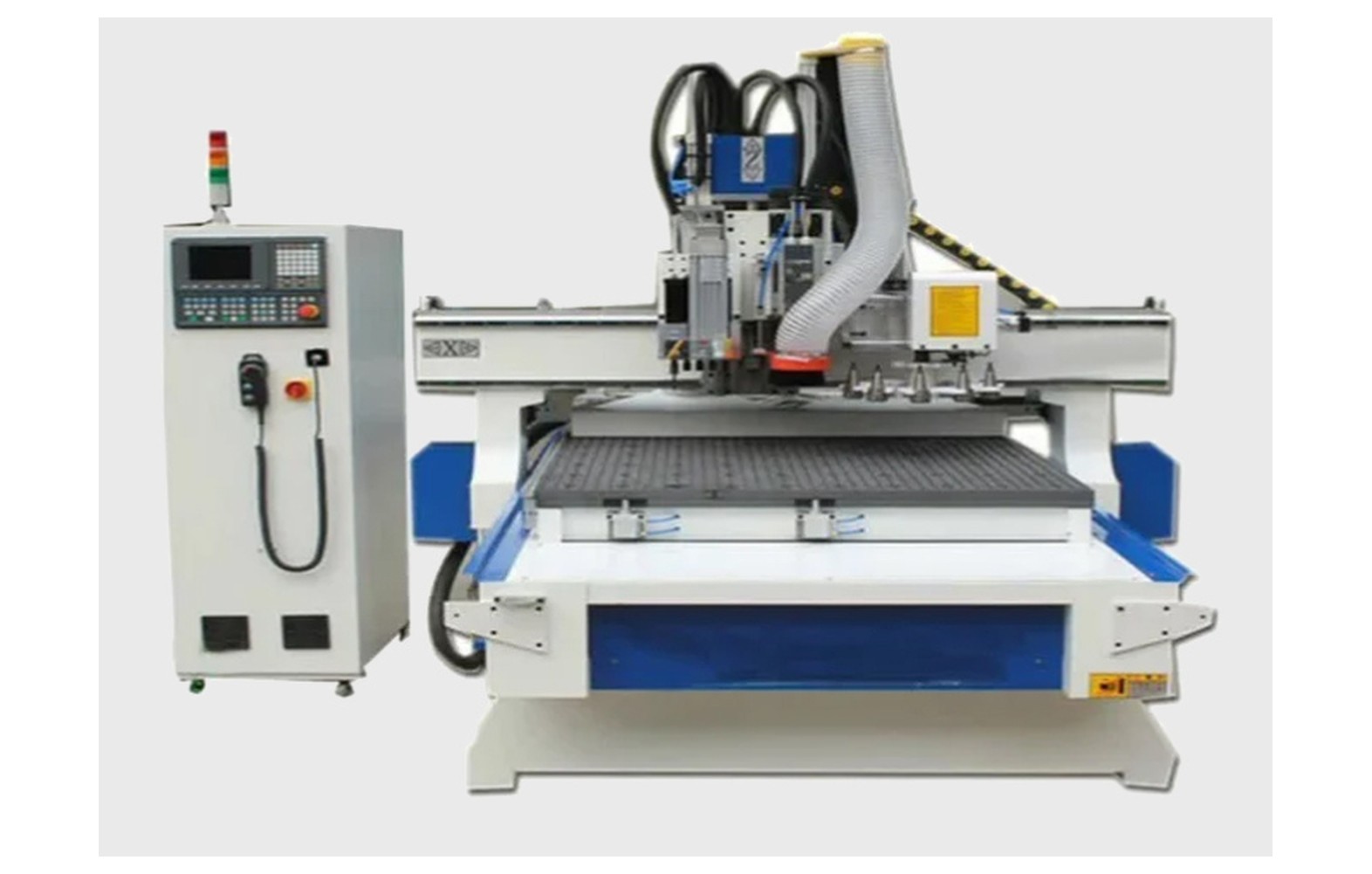
| 12-15 mm | CNC router 1325 | Laser slows to a crawl and chars edges; router holds 80-120 sqft per shift |
| 18 mm and above | CNC router only | Structural panels and doors are pure bit work |
Investment Options (est.)
| Setup | Contents | Investment (est.) | Output |
|---|---|---|---|
| Laser-only jali unit | 1390 150W CO2, extractor, panels stock | Rs 3.5-4.5 lakh | 40-60 sqft thin jali per shift |
| CNC-only jali unit | 1325 3.2-4.5 kW, dust collectors, bit kits | Rs 4-6 lakh | 80-120 sqft thick jali per shift |
| Full jali workshop | laser + CNC + finishing bench | Rs 7-10 lakh | any thickness, paint-ready panels |
Buyers and the Rate-Card System
- Interior contractors are the spine: 10-15 contractors on printed rate cards produce daily volume.
- Furniture and door dealers resell your panels attached to their products; give dealer slab pricing.
- Architects pay for samples and prototypes; keep 20 finished display panels ready for studio visits.
- Mandir committees and banquet decor teams spike before festivals; book their calendars early.
The Design Library Is the Moat
Every cutter buys the same machines. What they cannot copy quickly is a 500+ tested design library – geometrics, florals, jaali classics, mandir series – catalogued by thickness and machine. Cut every design once as a physical sample, photograph it, and sell from the catalogue. Libraries also cut file prep time from hours to minutes, which is pure margin on repeat work.
Mistakes That Kill Jali Units
- Cheap MDF: low-density boards swell, fray edges and smoke excessively; standardise E1 or better moisture-rated boards and pass the cost through.
- No dust discipline: MDF dust destroys rails, optics and lungs – the dust collector is part of the machine, not an accessory.
- Free design work for one-time clients: charge for custom design; only rate-card clients get design support free.
- Ignoring finishing: a primer-and-paint bench doubles the rate per sqft at low incremental cost; raw cutters stay commoditised.
- Charred laser edges sold as premium: thin-MDF char means returns; laser for fine thin work, CNC for thick structural panels – always.
Our Verdict
Start with the machine that matches your buyers’ dominant thickness – thin intricate work into CO2 laser machines territory, thick structural panels into CNC routers. The full-decor factory version of this game is mapped inside the Rs 2.5 Cr signage factory case study and our UV decor plant study on this blog. Plan staging via the all-India printing business startup guide.
FAQs – MDF Jali Cutting Business: Rates and Machines
What is the going rate for MDF jali cutting per sqft in India?
Cut-only trade rates run Rs 35-60 per sqft depending on density, thickness and design intricacy (est.). Paint-ready panels fetch Rs 80-140 per sqft, and full partition installations Rs 180-450 per sqft.
Which machine is best for MDF jali cutting – laser or CNC?
Thickness decides. Below 10-12 mm a CO2 laser wins on speed, detail and sealed edges. At 12 mm and above a CNC router wins deciseively on speed, edge quality and material range.
How much does a jali cutting setup cost in India?
A laser-only thin-jali unit needs Rs 3.5-4.5 lakh; a CNC-only thick-jali unit Rs 4-6 lakh with dust collection; a both-machine workshop Rs 7-10 lakh (est.).
How much can a jali cutting business earn per month?
A single machine with 10-15 contractor accounts typically nets Rs 40,000-1.2 lakh per month (est.). The rate-card account base decides utilisation, and utilisation decides everything else.
More laser and CNC machine guides: CO2 Laser Machine Price Guide , CNC Router Machine Price Guide , Fiber Marking Machine Price Guide , Laser Engraving Business Ideas, CNC Router Business Ideas, CO2 Laser vs CNC Router, CO2 Laser Wattage Guide, Acrylic Cutting Settings Chart, CO2 Laser Tube Life and Replacement Guide, CNC Router Bits Guide, 12 Common CO2 Laser Problems and Fixes, CNC Router Maintenance Schedule, Dust Collector and Fume Extractor Guide, CO2 Laser Materials Chart, CO2 Laser Speed and Power Settings Chart, ACP Grooving and Cutting CNC Guide, Stone CNC Router Guide, CO2 Laser Chiller Setup Guide, Galvo Laser vs Bed Laser, Laser Home Business Starter Guide, Chinese vs Indian Laser Machines, ATC CNC Router Upgrade Guide, CO2 Laser Rotary Attachment Guide, CNC Router Vacuum Table Guide, Stone Jali vs MDF Jali: Rates and Margins, CO2 Laser Installation and First Week Checklist, CNC Router File Formats Explained, CO2 Laser Lens and Mirrors Guide, CNC Router vs Plasma Cutter, CNC Operator Salary and Hiring Guide, CO2 Laser Power Supply Guide, 3D Wood Carving CNC Business Guide, Laser Photo Engraving Settings Guide, Second-Hand Laser and CNC Buying Checklist.
Share your material, thickness and target buyers on the contact page – we reply with an exact machine quote, freight and installation plan for your city, with on-site training across India.
