



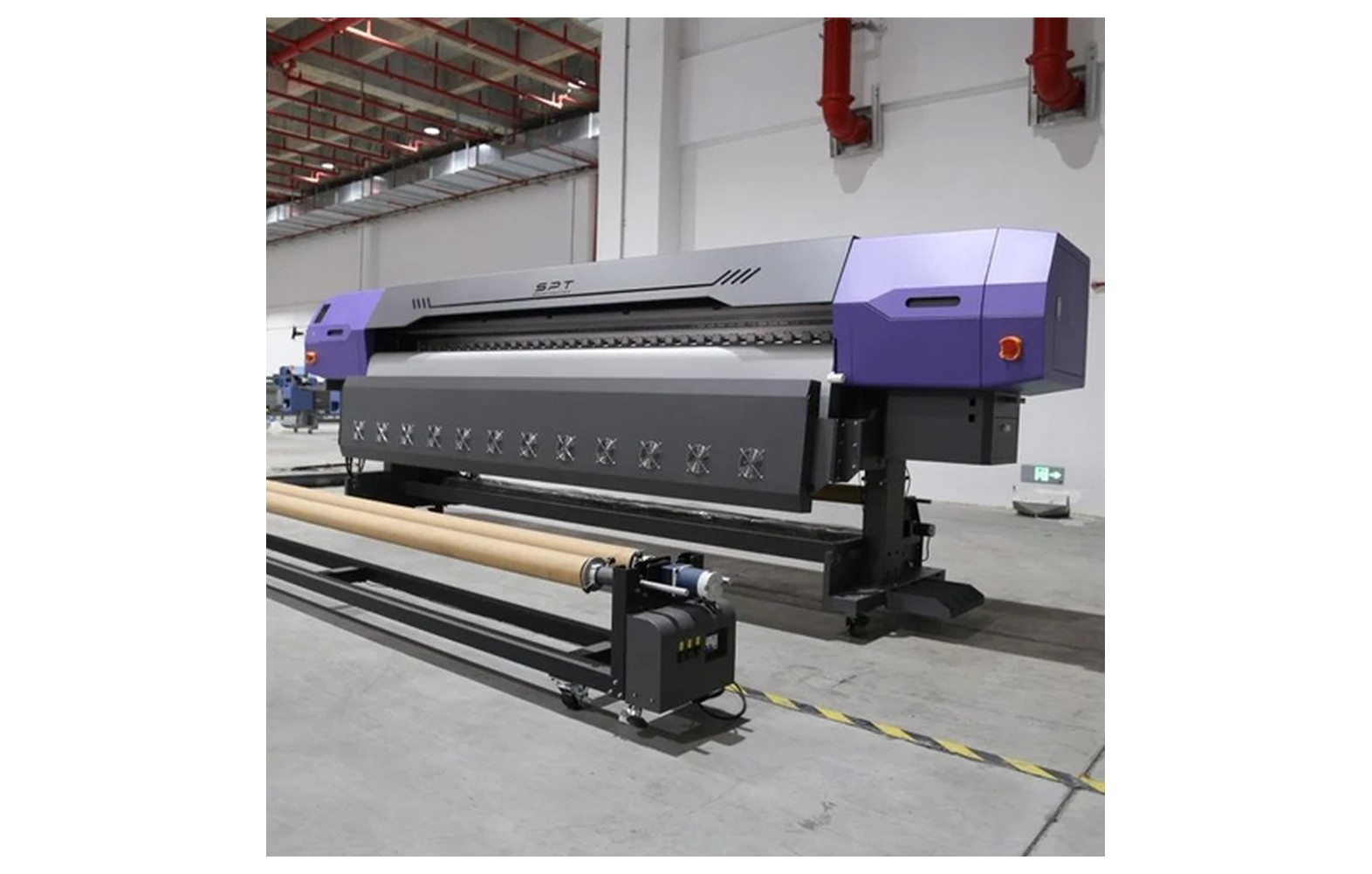
Direct answer: Ventilation requirements depend on the specific inks, powders, substrates, equipment and processes used. Review safety data sheets, manufacturer installation instructions and applicable local requirements with a qualified ventilation professional.
Engineering Principles and Components
| Topic | Function | Practical check |
|---|---|---|
| Source identification | Identify inks, curing, powder and cutting operations. | Each process can have different contaminants and controls. |
| Local extraction | Capture emissions where appropriate and correctly designed. | Engineering design and discharge rules matter. |
| General ventilation | Supplies and removes room air as designed. | Check make-up air and potential exposure to others. |
| Maintenance | Inspect equipment and replace filters as specified. | Keep records and resolve failures promptly. |
Practical Shop Checklist
- Obtain safety data sheets and installation manuals for each process.
- Have a qualified professional design and assess ventilation for the site.
- Do not assume odour absence proves air is safe.
- Do not bypass interlocks or operate when required extraction has failed.
Related Engineering Guides
Start with how a piezo printhead works and digital inkjet machine anatomy. For a machine-specific question, share your model on our contact page.
Frequently Asked Questions
Do all printing processes need identical extraction?
No. Requirements depend on the specific processes, substances and site.
Does an ink with little smell need no ventilation?
No. Odour is not a reliable measure of exposure; consult safety data and qualified advice.
Can a household fan replace an engineered extraction system?
Do not assume so. Ventilation should be designed for the contaminants and operating conditions.
How often should filters be replaced?
Follow the equipment and filter supplier specifications and any required site monitoring.
Should I follow generic settings from an article?
No. Use the exact machine, ink and substrate supplier instructions for settings and maintenance.
Are supplier demonstrations useful?
Yes. A demonstration on your actual equipment or intended materials helps confirm compatibility and procedures.
What should be documented for the shop?
Keep the relevant model, supplier instructions, approved settings, maintenance or test results, and service contacts.
