



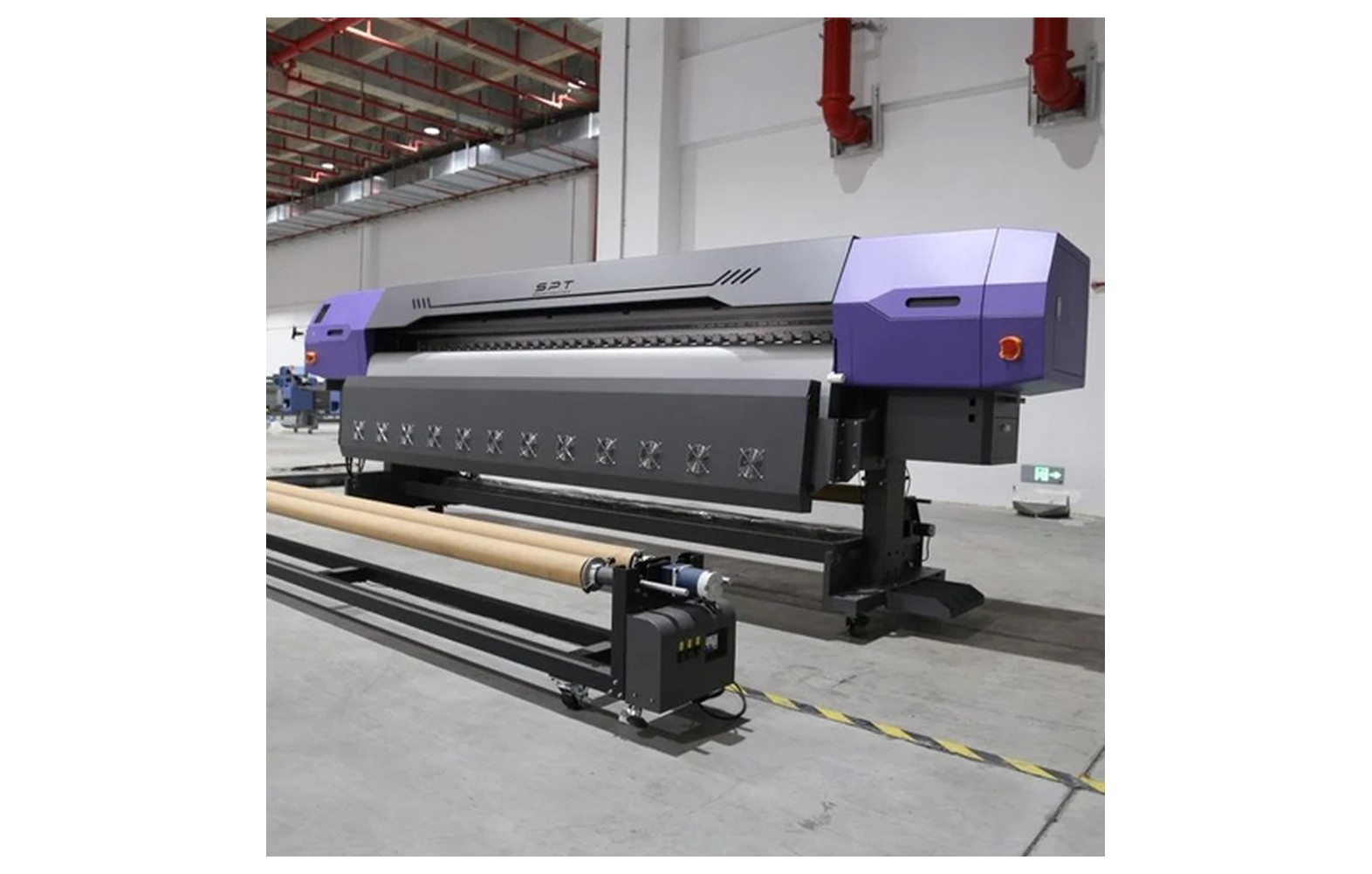
Direct answer: Printhead alignment concerns the placement of droplets relative to the print system and, where applicable, other heads or passes. A manufacturer-approved alignment test can reveal placement errors, but test interpretation and adjustment are specific to the machine.
Engineering Principles and Components
| Topic | Function | Practical check |
|---|---|---|
| Nozzle condition | Confirm jetting before interpreting an alignment test. | A missing nozzle can complicate interpretation. |
| Test pattern | Print the machine-approved alignment pattern on suitable media. | Use the instructions for the exact model and configuration. |
| Evaluation | Compare the pattern with the manufacturer criteria. | Record the result and any affected colours or directions. |
| Adjustment | Use only authorised calibration controls and service procedures. | Physical head adjustments should be performed by qualified personnel. |
Practical Shop Checklist
- Confirm model, head configuration, ink and approved test media.
- Inspect the nozzle check before making alignment changes.
- Record a dated test print and use one authorised change at a time.
- Escalate a head strike, persistent fault or adjustment outside operator training.
Related Engineering Guides
Start with how a piezo printhead works and digital inkjet machine anatomy. For a machine-specific question, share your model on our contact page.
Frequently Asked Questions
What is printhead alignment?
It concerns droplet placement within a print system and its relation to motion, passes or other heads.
Is alignment the same as a nozzle check?
No. A nozzle check helps inspect jetting; an alignment pattern evaluates placement according to the machine procedure.
Can missing nozzles affect an alignment test?
Yes. Check nozzle condition first so missing marks do not mislead interpretation.
Can I align all printers with one setting?
No. Tests and controls depend on the exact printer and head configuration.
Should operators physically move printheads?
Only qualified personnel should perform adjustments requiring service access or work beyond approved operator procedures.
What if alignment changes after a head strike?
Stop safely, record the event and request qualified inspection before continuing production.
What should I keep for the service engineer?
Keep dated nozzle and alignment test prints, model details, error messages and a record of recent changes.
