



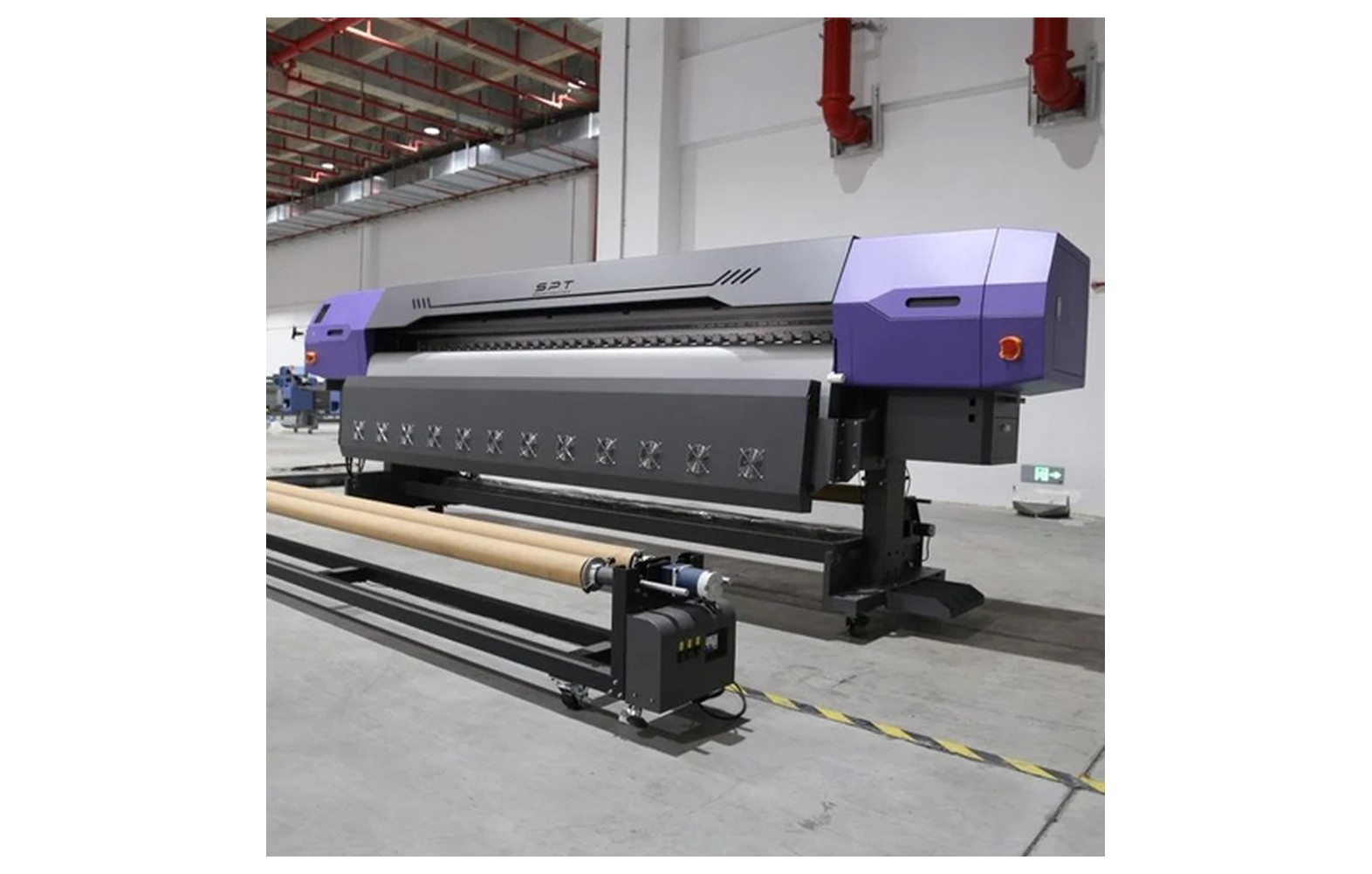
Direct answer: A scalable digital printing company grows by proving repeatable demand, standardising a supported production workflow, monitoring quality and cash flow, and increasing capacity only when evidence justifies it. Buying more printers alone does not establish a scalable or profitable business.
What Scaling Means in a Printing Business
Growth means handling more business; scaling asks whether the company can handle that growth reliably without quality, delivery, cash flow or management control deteriorating. A digital printing company might expand through repeat customers, new products, additional shifts, partner capacity or another location. Each option introduces different costs and risks.
The first task is to define the customer and the product. A business producing short-run labels for small brands has different workflows from one supplying uniforms or signage. The materials, artwork, finishing, approval and delivery requirements determine what must be standardised.
This is a planning framework, not an investment recommendation or guarantee. Examples are hypothetical. Use actual quotations, measured production data and qualified professional advice for your own business.
Stage 1: Prove a Repeatable Offer
Document the buyer, product, use case and purchasing process. Interview potential customers about their existing suppliers, quality requirements, order frequency and payment practices. A compliment on a sample or a social-media enquiry is not the same as an approved order.
Where practical, use paid pilot orders to test the complete service: quotation, artwork approval, production, finishing, inspection, delivery and customer support. Record what was accepted, what required rework and when payment was received.
Separate actual orders and repeat purchases from forecasts. A single pilot is useful evidence but does not prove that demand will continue or that the same workflow can serve every product.
Stage 2: Define the Product Specification
For each offering, document the actual substrate, coating, dimensions, print area, artwork format, ink or transfer, finishing and intended use. A shirt, mug, bottle and label require different processes and tests. A machine that prints one sample is not automatically compatible with every material.
Approve a physical sample with the customer. Agree placement, colour, appearance, handling and any wash, adhesion or distribution test. For food-contact, electronic or protective products, obtain the relevant manufacturer and qualified compliance guidance.
Keep the sample, supplier details, artwork version and settings together. If a blank, ink, coating or finishing step changes, reassess whether the earlier approval still applies.
Stage 3: Map the Order-to-Delivery Workflow
- Enquiry: Confirm product, quantity, deadline and delivery destination.
- Specification: Identify the exact material, artwork, process and performance requirements.
- Quotation: Include blanks, production, finishing, rejects, packaging, delivery and applicable tax.
- Approval: Obtain an approved file and physical proof where required.
- Scheduling: Reserve the actual printer, finishing and partner capacity.
- Production: Follow authorised machine, safety and quality procedures.
- Inspection: Compare accepted output with the approved sample and test criteria.
- Dispatch: Check quantities, packaging, destination and customer communication.
- Follow-up: Record payment, feedback, defects and agreed corrective action.
The map should name the responsible person and the escalation path for each step. An outsourced partner may perform a stage, but the handoff and customer approval still need to be documented.
Stage 4: Measure Capacity at the Bottleneck
A printer’s maximum advertised speed is not the same as completed customer orders. The bottleneck might be artwork approval, loading, a heat press, drying, cutting, assembly, inspection or packing. Measure the whole workflow for a representative job and count acceptable finished output.
Record the time scope: setup, production, finishing, rework and packing. Separate planned machine maintenance and actual downtime from productive time. A single demonstration is useful but may not represent the order mix.
Before buying another printer, ask whether the existing bottleneck is elsewhere. A second printer may not increase delivered output if the finishing or approval stage cannot handle more work. Test a supported operational improvement and measure the result before committing capital.
Stage 5: Calculate Unit Economics
For each representative product, list the selling price and variable costs per accepted item: blank, ink or transfer, job-specific labour, finishing, packaging, delivery, payment fees and a reasoned reject allowance. Record the source and date of each quotation or measurement.
Contribution per accepted item is selling price minus variable costs under the stated assumptions. It is not net profit. Fixed overhead, equipment financing, taxes and other expenses still need to be covered. Avoid mixing a supplier’s quoted print cost with an assumed retail price and calling the difference profit.
For illustration only, if a hypothetical product sells for Rs 200 and its variable cost is Rs 120 per accepted item, contribution is Rs 80. These are invented assumptions, not market rates or expected results. Recalculate with actual prices and costs.
Stress-test higher rejects, a lower selling price, increased freight or more labour. For a mixed-product business, assess the sales mix and each product’s contribution rather than relying on a single average.
Stage 6: Plan Working Capital
Growth can increase cash needs before invoices are collected. Blanks, ink, packaging, wages and partner deposits may be paid before a corporate customer pays. Inventory, work in progress and receivables can tie up cash even when a job appears profitable.
Map cash inflows and outflows by date. Include supplier deposits, customer terms, taxes, equipment payments and a realistic allowance for rejects and delays. Review a downside case with slower sales, delayed collection or a service interruption.
Agree payment, cancellation and rework responsibilities in writing. Consult a qualified accountant or financial adviser for the actual business and financing terms. Break-even calculations and cash-flow forecasts answer different questions.
Stage 7: Standardise Quality Without Hiding Variation
A standard operating procedure should identify the actual product, approved material, machine configuration, safety steps, proof and acceptance criteria. It should also say when to stop and who can approve a change. A generic checklist cannot replace a manufacturer manual.
Use dated nozzle checks or other equipment tests where the manufacturer recommends them. Record the artwork version, material, RIP preset, finishing and accepted sample. If a substrate batch or coating changes, reassess compatibility instead of assuming the old result applies.
Wash, adhesion, barcode, handling and distribution tests address different requirements. Agree the method, sample preparation, timing and acceptance criteria with the customer and suppliers. A casual scratch or one wash is not a universal certification.
Stage 8: Choose In-House, Outsourced or Hybrid Capacity
Owning equipment can provide direct control over selected operations, but it also creates obligations for site, staff, consumables and service. Outsourcing can provide specialist capability while adding lead-time, handoff and supplier-management risks. Many businesses use a hybrid arrangement.
Compare complete costs and responsibilities. Ask who supplies blanks, owns tooling, approves proofs, handles defects and pays for rework. Obtain written service and delivery terms. A supplier’s low print price may not include finishing, inspection or transport.
Do not treat outsourcing as automatically temporary or ownership as automatically superior. Revisit the decision using actual order frequency, measured capacity, quality and cash flow.
Stage 9: Build Supplier Resilience
Document approved ink, media, blanks and finishing partners. Where a backup supplier is considered, test its actual materials and process before an urgent substitution. A visually similar coating, film or garment may behave differently.
Ask equipment suppliers about installation, training, spare parts, warranty exclusions and local service. Keep maintenance records and contact details. Do not claim that a maintenance log prevents all downtime or guarantees a head lifespan.
For each critical supplier, identify the lead time and the effect of a disruption. Agree who can approve substitutions and whether a new customer proof is required.
Stage 10: Hire and Train for the Workflow
Define responsibilities for artwork, customer approval, machine operation, finishing, quality, packing and service escalation. One person may perform several roles in a small shop, but the tasks and safety boundaries should remain clear.
Use manufacturer instructions and task-specific training. Operators should know how to record warnings and when to stop. Electrical enclosures, ink lines, UV lamps and restricted mechanical adjustments require appropriately qualified personnel.
At shift handover, record unresolved faults, approved settings and work awaiting customer approval. Do not store passwords or unnecessary customer artwork in the machine log.
Stage 11: Protect Customer Artwork and Data
Personalised merchandise can contain names, photographs, employee identifiers or access information. Agree who may access the files, how they are transferred and when they are deleted or returned. Obtain permission to reproduce customer artwork.
Use controlled file versions and a final approval. A printed ID card and an encoded access credential are different; the customer’s authorised security team must validate the actual system. Do not connect unknown USB drives outside the organisation’s security procedure.
If work is outsourced, agree the partner’s data-protection responsibilities and secure delivery. Legal obligations depend on the facts and jurisdiction; obtain qualified advice where needed.
Stage 12: Review Site and Product Safety
Collect nameplates and manuals for the printer and separately powered accessories. A qualified electrician should assess the supply, circuits, protection and earthing under applicable requirements. Do not select a stabiliser or UPS using a generic multiplier.
Read safety data sheets for inks, powders, adhesives and cleaners. Ventilation depends on the actual products and tasks; a room fan alone does not establish exposure control. Keep UV shielding, laser guarding and interlocks in place and use qualified personnel for restricted service.
Food-contact items, electronics and protective workwear require product-specific approval. Do not heat, puncture or laser a battery or unknown enclosure, or claim dishwasher or food-contact suitability without evidence for the complete product.
Metrics That Support a Scaling Decision
| Measure | What to record | Why it matters |
|---|---|---|
| Accepted output | Finished units and time scope for representative jobs | Shows the practical workflow rather than a headline machine speed. |
| Defects and rework | Count, reason and cost under a consistent definition | Reveals quality and capacity losses. |
| Contribution | Selling price less documented variable costs | Shows what remains toward overhead and other expenses. |
| Cash collection | Invoice dates, due dates and actual receipts | Helps identify working-capital pressure. |
| Repeat orders | Actual reorder history and customer concentration | Separates evidence from assumed demand. |
| Supplier performance | Lead time, defects and agreed remedies | Highlights external dependencies. |
Choose definitions appropriate to the business and keep the underlying records. A metric is useful only when its scope and limitations are clear.
When Might Another Machine Be Justified?
Consider a capacity purchase when accepted demand and measured bottlenecks support it, the complete workflow can use the additional capacity, and the cash plan covers installation, staff, maintenance and downside scenarios. Obtain current written quotations and service terms.
Compare the purchase with another shift, improved scheduling, a finishing upgrade or a qualified partner. These alternatives have their own costs and risks. Do not assume that the cheapest option or the fastest advertised machine will deliver the best outcome.
Set a review point and document the assumptions. If demand or customer payment timing changes, revisit the plan before committing.
Investor Due-Diligence Questions
- Which orders are paid or contracted, and which are forecasts?
- What is the contribution by product after documented variable costs and rejects?
- What fixed costs, financing and cash obligations remain?
- Where is the measured production bottleneck?
- Which products or customers account for a large share of revenue?
- What service, spare parts and backup suppliers are available?
- What product-specific safety, data and compliance requirements apply?
- How are funds, milestones and decision rights documented?
Separate historical results from projections and disclose uncertainty. Obtain qualified legal and financial advice before an investment or partnership agreement.
Illustrative Growth Scenario
A hypothetical shop begins with outsourced short-run labels for local brands. It records customer approvals, supplier lead times, accepted quantities and payment dates. After repeat orders appear, the founder compares a supported in-house printer and cutter with continuing to outsource.
The founder tests the actual label construction on the customer’s container, measures finishing time and builds a cash-flow scenario using written quotations. If the evidence does not support the purchase, the business can continue with a partner while reviewing the offer.
This example is a planning exercise, not a real customer result or a promise that the niche will be profitable.
Common Scaling Mistakes
- Buying equipment before validating repeat demand or the complete workflow.
- Calling revenue or contribution net profit.
- Using maximum machine speed as delivered production capacity.
- Adding products without testing their materials, coatings and safety requirements.
- Ignoring payment timing, inventory, rework or supplier lead times.
- Changing approved materials without a new proof.
- Assuming outsourcing removes responsibility for quality and customer data.
- Using unverified financial returns or invented case studies in an investor pitch.
Related Guides
Continue with printing startup business models, starting a digital printing business and machine electrical requirements. Use actual quotations and qualified advice for your own business.
Planning a Second Location or Shift
A second shift or site changes staffing, supervision, maintenance and handoff requirements. Before expansion, document the actual bottleneck and the customer demand the added capacity is intended to serve. Compare the proposal with supported alternatives such as scheduling changes or a qualified production partner.
A new location needs its own assessment of electrical supply, ventilation, safe access, storage and applicable permissions. Do not assume that an arrangement approved for the first site is suitable for the second. Obtain supplier and qualified professional guidance.
Plan how approved artwork, samples, consumables and quality records will be shared securely. A second site should be able to demonstrate the required product quality rather than relying solely on the original site’s proof.
Reviewing the Decision After Expansion
Set a review point before spending and state which measures will be examined: accepted output, defects, on-time delivery, cash collection and actual costs can be relevant. Define each measure and compare the result with the original assumptions.
If the result differs, document the cause where evidence supports it and agree a corrective action. Do not invent a return or describe a hypothetical scenario as a customer case study. A review supports decisions but cannot guarantee that expansion will succeed.
Before committing to any capacity increase, confirm that the proposed change addresses the measured bottleneck and that the customer and supplier assumptions are documented. A machine purchase, new shift or partner contract should have a clear approval owner and a review point. Keep the previous baseline so the team can compare accepted output and quality after the change.
Frequently Asked Questions
What makes a digital printing company scalable?
Repeatable demand, documented quality, measured capacity, supplier support and a realistic cash plan can support scaling, but they do not guarantee success.
Should I buy another printer to grow?
Only after identifying the actual bottleneck and comparing the full purchase, staffing and service costs with other supported options.
Is machine speed the same as finished capacity?
No. Setup, finishing, rejects, inspection and packing also affect accepted output.
Can a printing company scale using outsourced partners?
Yes. Define specifications, approvals, quality, confidentiality, lead time and responsibility for defects in writing.
Why does growth increase working-capital needs?
Materials and wages may be paid before customer invoices are collected, and inventory or work in progress can tie up cash.
What should investors review?
Review demand evidence, contribution, cash flow, capacity, customer concentration, safety, supplier support and downside assumptions.
Does a growth forecast guarantee profit?
No. Forecasts depend on assumptions; separate actual results from projections and seek qualified advice.
