



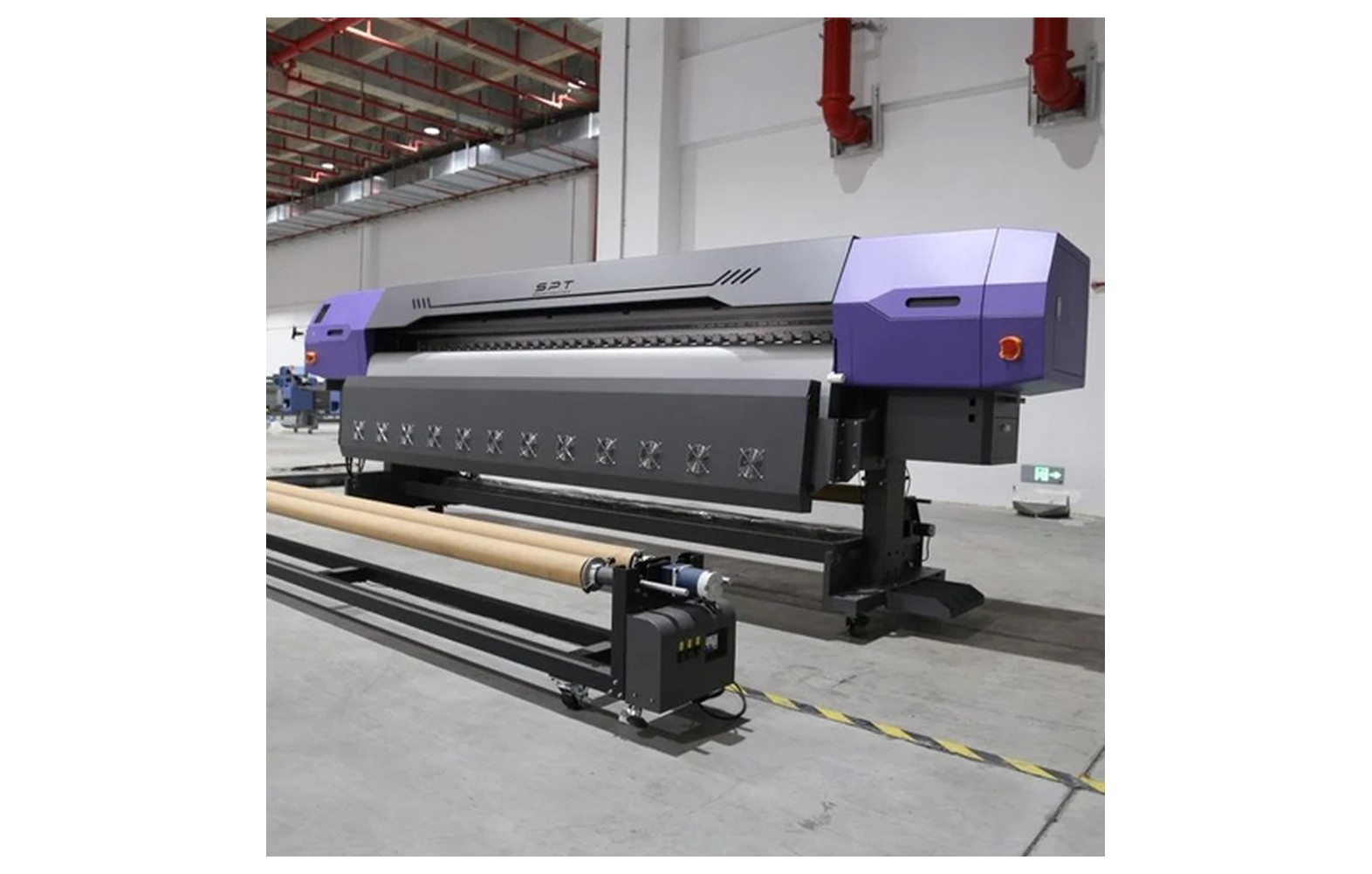
Direct answer: A digital printing startup and a business using traditional print processes differ in how jobs are prepared, produced and finished, but neither is automatically cheaper, faster or more scalable. Compare the actual product, order mix, quality, capacity, costs and customer demand. Many businesses combine digital and conventional processes.
What Are We Comparing?
Digital printing generally uses a digital file and device-specific workflow to produce output without making a separate conventional printing plate for each image in the same way as plate-based processes. Digital inkjet and digital toner systems are not identical; their supported materials, inks, maintenance and finishing differ.
The term traditional printing covers several processes, including offset, flexography and screen printing. These methods differ substantially from each other. Many conventional printers use digital design, proofing, planning and automation, so the comparison is not simply modern software versus manual work.
The useful question for a founder or investor is which combination delivers the required finished product at an acceptable quality, cost and turnaround under real operating conditions. Examples in this guide are hypothetical and are not proof of demand, return or market prices.
Business Model Comes Before Technology
Define the buyer, product and service. A shop producing personalised shirts for individual customers has different requirements from a converter supplying repeat product labels or a printer producing folding cartons for a brand.
Ask how artwork changes, how often orders recur, what quality and compliance evidence is required, and when the customer pays. A startup can own digital equipment, outsource conventional printing, use both in-house or coordinate a hybrid supply chain.
Validate demand through customer conversations, physical samples and, where practical, paid pilots. A machine demonstration or a generic claim about market size is not a substitute for confirmed customer requirements.
Setup and Artwork Changes
Some conventional processes use plates or screens that must be prepared for the job. Setup time and cost depend on the artwork, number of colours, equipment and supplier. Repeat orders may reuse eligible tooling under agreed conditions, but that should be confirmed in writing.
Digital workflows can be useful to compare when artwork changes frequently or variable data is required. However, file preparation, profiling, substrate changes, finishing and quality checks still take time. Digital does not mean zero setup or no operator skill.
Quote the complete job using the actual artwork and quantity. Do not apply a universal order-size threshold at which digital or offset is always cheaper.
Variable Data and Personalisation
Digital workflows may support individual names, images or codes where the printer and software are configured for the task. The business must still check the data, sort products, protect files and manage errors.
Some personalised work can also be combined with conventional printing, such as a repeat base design with a separate variable-data operation. Confirm compatibility and registration with the supplier.
Agree who provides and approves the data, who may access it and when it will be deleted or returned. An ID card’s visible print and access credential are separate; authorised customer personnel must validate encoding and reader compatibility.
Quantity and Cost: Compare Real Quotations
A digital job and an offset, flexographic or screen job can have different setup, material, labour and finishing costs. The cost per accepted item depends on the actual quantity, artwork, substrate, waste, equipment and supplier terms.
Request itemised quotations for the same specification. Include artwork, plates or screens where applicable, blanks or stock, printing, finishing, rejects, packing, freight and applicable tax. Check whether the quoted quantity refers to printed sheets or finished accepted products.
Do not promise a fixed profit margin or payback period. A lower unit print charge may be outweighed by setup, minimum quantities, storage or payment timing. Use current supplier prices and your own measured labour.
Materials and Product Compatibility
A garment, coated mug, bottle, label and folding carton require different material and finishing decisions. Digital inkjet, toner, screen ink and flexographic ink are not interchangeable simply because they place an image on a surface.
For a dark cotton shirt, compare compatible textile transfers, screen printing or other supported garment methods. For sublimation, use suitable polyester or an approved polymer-coated blank. A UV flatbed or decal must be tested on the actual hard-surface coating.
For packaging, confirm board, ink, adhesive and conversion. Food-contact, electronic and protective-clothing applications need product-specific documentation and qualified review. A printer’s ability to place a logo does not establish finished-product compliance.
Quality, Colour and Physical Proofs
Digital and conventional processes can both produce acceptable work when correctly configured for the job. Colour, detail, surface texture and durability depend on the process, ink, substrate and finishing. The customer should approve a physical sample on the intended material.
A screen emits light while a printed product reflects or transmits it. Different processes have different achievable colour ranges. For a brand colour, agree the reference and viewing conditions and discuss any limitation before production.
Do not promise that a print will never fade or that a UV decal adheres to every surface. Agree relevant wash, adhesion, handling or distribution tests for the actual product.
Finishing Can Be the Bottleneck
Printing may be followed by curing, pressing, cutting, laminating, folding, gluing, binding or packing. These operations can require separate equipment or partners. A press applies a transfer but does not print the artwork by itself.
Measure accepted finished output, including setup, processing, inspection and rework. A printer’s maximum advertised speed is not the same as delivered capacity. A faster printer may not increase output if the press, cutter or approval process is the bottleneck.
For an outsourced stage, document the handoff, sample, lead time and responsibility for defects. The customer receives the complete product, not an isolated print speed.
Ownership, Outsourcing and Hybrid Operations
Owning equipment gives a business direct responsibility for site, operators, consumables, maintenance and service. Outsourcing can provide specialist capability but introduces partner lead times, quality handoffs and coordination work.
A hybrid model can own a frequent process and outsource an occasional one. For example, a shop might prepare artwork and apply compatible transfers while buying the transfers from a qualified supplier. The actual materials and instructions still need to be verified.
Compare complete costs, customer approvals, confidentiality and remedies for defects. Neither in-house production nor outsourcing guarantees a particular margin or delivery result.
Equipment and Working Capital
Request current itemised equipment quotations, including software, fixtures, finishing, installation, training, consumables, warranty and local service. A printer price is not the total investment required to operate.
Working capital matters in both digital and conventional workflows. The business may pay for blanks, plates, ink, wages and freight before the customer settles an invoice. Model inventory, deposits, payment terms and rejected work separately from the equipment purchase.
Consult a qualified accountant or financial adviser for the actual cash-flow and financing plan. Do not confuse sales revenue, gross contribution and net profit.
Illustrative Unit-Economics Comparison
For a representative job, calculate selling price less variable costs per accepted item. Variable costs may include the blank, ink, job-specific labour, finishing, packaging, payment fees and an appropriate reject allowance. Fixed overheads, financing, taxes and other expenses still need coverage.
Suppose a hypothetical finished item sells for Rs 200 and has Rs 120 of variable cost per accepted item. Its contribution is Rs 80, not Rs 80 net profit. These invented numbers illustrate the calculation only; they are not a market rate or predicted outcome.
Compare both production routes using actual written quotations and a consistent definition of accepted output. Test higher waste, lower selling price and delayed payment in downside scenarios.
Repeat Orders and Inventory
A conventional supplier may offer a repeat workflow using approved tooling, while a digital workflow may support frequent file changes. Both can require stock, consumables, supplier lead times and quality controls. Print-on-demand does not automatically eliminate blank inventory or returns.
Record actual reorder history, customer concentration and the cost of holding or replacing stock. Do not treat an enquiry or a forecast as a confirmed future order.
If a blank, paper or coating changes, reassess the proof. A visually similar product is not automatically equivalent.
Maintenance and Service Support
Different processes have different maintenance needs: printheads and ink systems, plates and screens, drying or curing, cutters and finishing equipment. Use each manufacturer’s schedule and trained personnel.
Ask about local service, spare parts, installation, operator training and warranty exclusions. Keep dated checks, faults and service reports. A maintenance log helps diagnosis but does not guarantee zero downtime.
Do not force cleaning fluid through a head, bypass a guard or repeatedly reset an electrical fault. Stop safely and use qualified service when required.
Site, Electrical and Workplace Safety
Collect the nameplates and manuals for the equipment and separately powered accessories. A qualified electrician should assess the supply, circuits, protection and earthing under the manufacturer instructions and applicable local requirements. Do not choose a stabiliser or UPS using a generic multiplier.
Review safety data sheets for inks, cleaners, powders and adhesives. Ventilation depends on the actual products and tasks; a room fan alone does not establish exposure control. Keep UV shielding, laser guarding and machine interlocks in place.
Use qualified professionals for restricted electrical, chemical, mechanical and safety work. A lower equipment quote is not a reason to omit required controls.
Investor Due-Diligence Questions
- Demand: Which orders are paid or contracted, and which are forecasts?
- Product: Are materials, proofs and acceptance criteria documented?
- Economics: Are setup, finishing, rejects, overheads and cash timing included?
- Capacity: Is accepted finished output measured for representative jobs?
- Partners: Are tooling, quality, data and defect responsibilities written down?
- Risk: Are customer concentration, supplier lead times and downtime considered?
- Compliance: Are product-specific and site obligations reviewed by qualified advisers?
- Forecast: Are actual results separated from hypothetical assumptions?
Example: Variable Merchandise
A hypothetical founder receives enquiries for individual names on shirts. They compare a compatible digital transfer workflow with an outsourced transfer supplier and a conventional process for a repeated logo. The comparison includes garment, artwork checking, pressing, rework and delivery.
Each method is tested on the actual garment and the customer approves a sample. The founder records accepted output and costs before deciding whether to buy equipment. This example does not establish a market price or expected return.
Example: Repeat Packaging
A hypothetical brand needs a folding carton with a repeated design. It asks for digital and offset quotations on the same board and dieline, including cutting, creasing, gluing and delivery.
The brand approves an assembled prototype and agrees product-contact responsibilities. The comparison is based on the actual order and supplier terms; it does not prove that one method is always better for packaging.
Questions for a Print Supplier
- Which actual substrates, dimensions and artwork are supported?
- What setup, plates, screens, software and finishing are included?
- Can you produce a physical sample on our material?
- How are variable data, customer files and approvals handled?
- What are the written lead time, defect, warranty and service terms?
- What site, electrical, ventilation and safety requirements apply?
- What is the measured acceptable finished output for our representative job?
Keep the quotations, approved sample and assumptions together. Reassess if the material, quantity, process or supplier changes.
Related Guides
Continue with printing startup business models, scaling a printing company and merchandise compatibility. Use actual quotations and qualified advice for your own business.
How to Run a Fair Supplier Trial
Give each supplier the same final artwork, quantity, substrate, finish and delivery requirement. Specify whether the sample should include cutting, folding, pressing or other finishing. If suppliers recommend different materials, document that difference rather than comparing the samples as if the conditions were identical.
Review the physical output under agreed lighting and inspect the details that matter to the customer. Record colour, placement, defects, packaging and the time from approved artwork to a completed sample. If formal performance tests are required, agree the method and acceptance criteria before interpreting results.
Ask for written quotations with the same scope. Include setup, materials, production, finishing, rejects, packing, freight and applicable tax. A trial reduces uncertainty but does not prove that every later batch will be identical.
Questions About Technology and Growth
A digital startup can grow through owned equipment, outsourcing or a hybrid model. A conventional printer can also use digital ordering, artwork and quality-control systems. The scalability question concerns repeatable demand, capacity, people, cash and quality across the complete workflow, not a simple label attached to the press.
Before expansion, identify the actual bottleneck and compare an equipment purchase with scheduling, finishing capacity or a qualified partner. Obtain current supplier terms and test downside scenarios. Additional capacity does not automatically create customer orders.
For investors, separate the evidence already collected from forecasts. Record paid pilots, repeat orders and measured accepted output where available. Treat projected sales, utilisation and costs as assumptions until supported by results.
Product Claims and Customer Responsibilities
For food-contact packaging, protective clothing, electronics or regulated labels, identify the complete intended application and obtain the relevant supplier documentation. A printing process alone does not establish compliance. The brand owner and qualified advisers should determine the applicable requirements for the product and destination.
Agree who approves artwork, legal content, physical proofs and performance tests. Keep the written specification and sample with the order. If the substrate, ink or finishing changes, reassess whether the previous approval remains valid.
Do not claim that a process is universally sustainable, that a printed item will never fade or that a specific return is guaranteed. Such claims require appropriate evidence for the actual product and business conditions.
Choosing a First Pilot
Select a representative product with a clear buyer, specification and approval process. Use the actual substrate and finish, then compare the proposed digital and conventional routes or their outsourced equivalents on the same scope. Record the accepted output, production time, total quoted cost and any defects.
Ask the customer to approve the finished sample and the supplier to document its lead time and service terms. If a product requires a wash, adhesion or distribution test, agree the method and timing before interpreting the result.
After the pilot, revise the business assumptions using actual records. Do not scale a forecast simply by multiplying an advertised machine speed, and do not present the pilot as proof of guaranteed repeat orders. A pilot is a way to learn, not a promise of a return.
Frequently Asked Questions
Is digital printing always cheaper than offset?
No. Compare the actual quantity, setup, materials, finishing, rejects and supplier quotations for the same job.
Does traditional printing mean a fully manual workflow?
No. Conventional processes can use digital design, proofing, planning and automation.
Can one business use both digital and traditional processes?
Yes. A business can combine owned equipment and qualified partners when the workflows and responsibilities are documented.
Does digital printing eliminate setup?
No. Artwork preparation, material changes, profiling, finishing and quality checks can still require setup.
Is maximum machine speed the same as delivered capacity?
No. Setup, finishing, rejects, inspection and packing affect accepted finished output.
What should an investor compare?
Review actual demand, complete costs, cash flow, capacity, quality, service and downside assumptions.
Does either method guarantee profit?
No. Results depend on actual orders, costs, utilisation, payment timing and other business conditions.
