



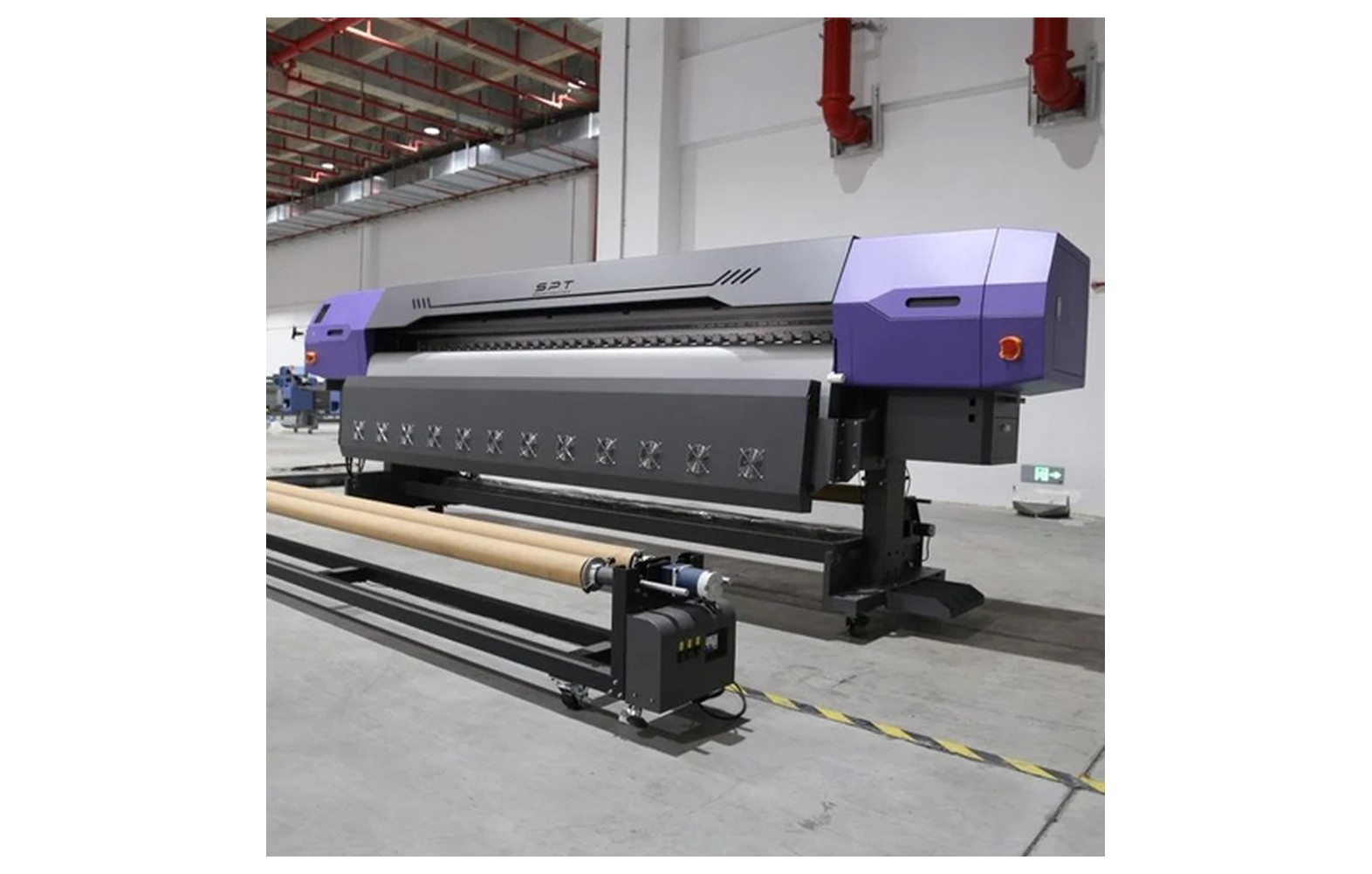
Direct answer: A hybrid printing business performs selected operations in-house and uses qualified partners for others. It works best when product specifications, artwork approval, costs, quality, data handling and defect responsibilities are documented across every handoff. Outsourcing does not remove responsibility for the finished customer order.
What Is a Hybrid Printing Model?
A hybrid model combines owned or directly controlled work with outsourced production or finishing. A shop might prepare artwork and apply compatible transfers while buying those transfers, or print sheets while a converter cuts and binds the finished product.
The arrangement should be chosen around actual customer demand and capability. A partner may provide a specialist process, overflow capacity or a product the shop does not own equipment for. Each option has costs and risks.
This guide is educational, not legal, tax or investment advice. Examples are hypothetical and do not represent real customer outcomes or guaranteed returns. Use actual quotations and qualified advisers for the business.
1. Define the Customer and Product
Record the buyer, product, quantity, artwork, material, intended use, deadline and destination. A dark cotton shirt, coated mug and painted bottle require different workflows and tests.
Distinguish paid orders and written commitments from enquiries or forecasts. A machine demonstration or a partner’s product catalogue does not prove repeat demand.
Start with a manageable offer that can be specified and sampled. A claim that one supplier or machine handles everything is not a production plan.
2. Map Every Production Stage
List artwork preparation, blank sourcing, printing, curing, pressing, cutting, lamination, assembly, inspection, packing and delivery as applicable. Identify which stages are internal and which are performed by a partner.
A heat press applies a compatible transfer but does not print the artwork. A printed sheet may still need conversion into a box or label roll. A UV decal does not automatically adhere to every hard surface.
Document the handoff, required materials and approval at each stage. The customer receives the complete product, not isolated machine operations.
3. Qualify a Partner
Give the partner the actual product, material, artwork, quantity, finishing and delivery requirements. Request an itemised quote and a physical sample using the intended workflow.
Ask about lead time, capacity, blank availability, substitutions, subcontracting, quality checks, confidentiality and defect remedies. A low print-only charge may exclude shipping, inspection or rework.
Test a backup partner before an urgent need. A visually similar garment, coating or adhesive may behave differently and require a new customer proof.
4. Agree Supplier and Customer Responsibilities
State who supplies blanks, owns artwork or tooling, approves proofs, performs tests, packs the order and handles delivery damage. Define who can authorise a material or artwork change.
Agree payment, cancellation, overrun, shortfall and rework terms in writing. The correct terms depend on the parties and jurisdiction; obtain qualified legal advice.
Outsourcing does not automatically transfer every customer obligation. The business should understand the commitments it makes and how partners support them.
5. Approve the Actual Product
Produce a complete sample on the actual garment, coating or substrate. Agree colour, placement and the relevant wash, adhesion, handling, barcode or distribution test with the customer and suppliers.
A casual scratch or one wash is not a universal certification. A UV print that feels dry does not establish complete cure or adhesion. Use a qualified laboratory where formal evidence is required.
Keep the approved sample, artwork version, materials and process. If a partner changes the blank, ink or finishing, reassess whether the previous approval applies.
6. Control Artwork and Customer Data
Obtain permission to reproduce logos, photographs and other artwork. Use controlled production versions and identify who approves the final file. Some transfer processes require mirroring; follow the actual supplier and RIP instructions.
Personalised orders can include names, photographs or employee identifiers. Agree access, transfer, retention, deletion and subcontracting procedures. Do not place passwords or encoding keys in a shared machine log.
Check the final list before production and packing. A printed ID card is not automatically an active access credential; the customer’s authorised team must validate its function.
7. Compare Complete Costs
For a representative order, include blanks, artwork, partner charges, ink or transfer, job-specific labour, finishing, inspection, rejects, packaging, delivery, payment fees and applicable tax. Use current supplier quotations and measured work.
Contribution is selling price minus defined variable costs. It is not net profit; fixed overhead, financing, taxes and other expenses remain. Use the same accepted-output unit for revenue and cost.
Do not promise a fixed margin or payback period. An outsourced print price can look lower until internal coordination, shipping and reprints are included.
8. Plan Cash Timing
A partner may require a deposit or payment before dispatch, while the customer pays after delivery. Blanks, wages and freight can create a cash gap even when an order has positive contribution.
Map customer deposits, supplier payments, invoice dates, taxes and actual receipts. Model delayed collection or a rejected batch. A qualified accountant or financial adviser can review the actual plan.
Agree cancellation and rework terms in writing. A purchase order is not cash, and a forecast does not guarantee payment.
9. Measure the Bottleneck
Measure the time from approved artwork through accepted finished output and dispatch. Include internal setup, partner lead time, curing, pressing, cutting, inspection and packing as applicable.
A printer’s maximum advertised speed is not delivered capacity. The constraint may be a partner, heat press, artwork approval or packing station. Additional print equipment does not automatically solve every bottleneck.
Before buying a machine or adding a partner, compare the measured constraint with current demand and the downside case.
10. Manage Quality and Defects
Define acceptance criteria and who checks them. Record the item, batch, defect, reprint, extra blank, labour and freight. Distinguish a production defect from a customer-approved artwork error or delivery damage under the agreement.
Preserve samples and investigate one authorised variable at a time. Do not count the same reject allowance twice in the financial model or use an unverified industry rate as fact.
Communicate the agreed remedy and revised schedule. For a safety or compliance concern, stop release and obtain qualified guidance.
11. Safety and Product-Specific Requirements
For in-house equipment, collect nameplates and manuals. A qualified electrician should assess supply, protection and earthing. Do not size a stabiliser or UPS using a generic multiplier.
Review safety data sheets for inks, powders, adhesives and cleaners. Ventilation depends on the actual process; a room fan alone does not establish exposure control. Keep UV shielding, laser guards and interlocks in place.
Food-contact items, battery-powered products and protective clothing may require specific approvals. Do not claim food safety, dishwasher resistance or preserved protective certification without evidence for the complete application.
12. Plan Supplier Continuity
Record approved blanks, materials, supplier contacts, lead times and service terms. A backup partner should be tested before an urgent need, not selected solely from a price list.
Agree whether substitutions are permitted and who approves them. A different coating, film or fabric can change adhesion, colour or customer compliance.
Keep maintenance and fault records for owned equipment. A service log supports diagnosis but does not guarantee zero downtime.
Hybrid Workflow Matrix
| Stage | Possible owner | Key handoff |
|---|---|---|
| Artwork and proof | In-house or design partner | Final version, rights and customer approval. |
| Blank supply | Shop, customer or supplier | Material specification and condition. |
| Printing | Owned equipment or qualified partner | Process, sample and lead time. |
| Finishing | Shop or specialist | Compatibility, settings and quality criteria. |
| Delivery | Shop or fulfilment partner | Packaging, data and defect responsibility. |
The matrix is a planning aid. The actual agreement determines responsibilities.
Illustrative Scenario: Shirts and Bottles
A hypothetical shop buys compatible garment transfers and presses them in-house while a specialist decorates painted bottles. It obtains separate physical proofs, care tests and supplier terms for each product.
The shop records partner charges, pressing labour, inspection, packing and customer payment timing. This is a planning example, not a real customer result or guaranteed return.
Illustrative Scenario: Printed Cartons
A hypothetical business prints supported sheets and sends them to a converter for cutting and gluing. The customer approves the dieline and an assembled prototype.
The parties document tooling ownership, handoff dates and defect remedies. A printed sheet is not treated as a finished accepted box until conversion and inspection are complete.
Common Hybrid-Model Mistakes
- Comparing a partner’s print-only price with a delivered finished product.
- Leaving blank, artwork or defect responsibilities unclear.
- Assuming a substitute material is automatically compatible.
- Omitting internal coordination, reprints or freight from costs.
- Calling contribution or revenue net profit.
- Ignoring customer payment and partner deposit timing.
- Overlooking data, safety or product-specific approvals.
- Promising a fixed margin or delivery without evidence.
Founder and Investor Checklist
- Define the customer, product and evidence of demand.
- Map internal and partner stages and their handoffs.
- Approve a physical sample and relevant performance tests.
- Agree specifications, data, tooling and defect terms in writing.
- Calculate complete cost, contribution and cash timing.
- Measure accepted output and identify the bottleneck.
- Review supplier continuity, site safety and compliance.
- Compare actual pilot results with the forecast before expanding.
Related Guides
Continue with marketplace versus owned facility, corporate printing contracts and working capital. Use actual records and qualified advice for your business.
Designing a Clear Handoff
Each handoff should identify the product, approved artwork version, blank, quantity, process and required date. Include any customer-specific test or packaging requirement. The receiving partner should acknowledge the specification before work starts.
Define how questions and changes are escalated. If a supplier proposes a different material, the customer may need to approve a new sample. Do not assume that a similar colour or product name establishes technical equivalence.
Keep the final approval and partner instructions with the order. This record helps the business investigate a defect without guessing which stage was responsible.
Testing a Partner Before a Time-Sensitive Order
Use a representative pilot with the actual blank and artwork. Observe how the partner handles file preparation, proofing, production, finishing, inspection and dispatch. Record the time scope and accepted output.
Ask for the supplier’s written terms on delays, substitutions, rejects and reprints. A single successful pilot is useful evidence but does not guarantee future availability or quality.
Compare at least the same finished-product scope when reviewing alternatives. If one quote includes packing and freight while another does not, make that difference visible.
Handling Customer-Supplied Blanks
Inspect customer-supplied items and document their condition with permission. Confirm the material, coating, intended use and whether the proposed process is approved. Some items may not be suitable for heat, UV exposure or a particular adhesive.
Agree who bears the cost of a damaged or rejected blank and whether spare items are available for testing. A partner should receive the same instructions and should not improvise an unapproved fixture or chemical.
If the item is an electronic product or protective garment, obtain the manufacturer’s written guidance and any required safety review before proceeding. A physical fit in a printer does not establish safety.
Coordinating Multiple Partners
A mixed merchandise order can involve a garment printer, bottle decorator and packaging supplier. Each product needs its own specification, sample and test. The business should identify who coordinates lead times and assembles the final kit.
Confirm which partner sends items directly to the customer and which items return for inspection or assembly. Record packing, destination labels and responsibility for delivery damage.
Do not assume that the same colour reference will reproduce identically on every material. Agree physical samples and any acceptable difference with the customer.
Data Security Across Handoffs
Share only the files and personal information needed for the partner’s task. Agree the transfer method, authorised users, retention period and deletion or return process. Obtain customer permission for artwork and names.
Use a controlled order reference and final file version. If an employee name changes after approval, document who authorised the revision and which items are affected.
For ID cards or access credentials, visible printing and encoding are separate. The customer’s authorised security team must validate the actual system and manage any secret keys.
Reviewing a Hybrid Workflow After a Pilot
Compare the actual partner invoice, internal labour, rejects, delivery and customer payment dates with the forecast. Record the source of each difference. A positive contribution does not prove that cash was available when every bill was due.
Measure accepted finished output and identify the actual bottleneck. If a partner delay or a press limits delivery, buying an unrelated printer may not solve the issue.
Update the decision record and review again when order mix or supplier terms change. Do not present an illustrative pilot as a real customer case or guaranteed return.
Supplier Continuity and Customer Communication
Before accepting a deadline, confirm blank availability, proofing time, production capacity and delivery for every stage. Identify who contacts the customer if a partner has a fault or a shipment is delayed. A written escalation plan should reflect actual supplier terms.
Where a backup partner is proposed, test the relevant product in advance. Agree whether the customer must approve a new proof. An untested substitution can solve a scheduling problem while creating a quality or compliance problem.
Record the actual delay and any additional cost after the order. Review the plan with the supplier rather than assuming that an outsourced step has no operational risk.
Questions for an Investor or Lender
- Which operations are internal and which depend on partners?
- Are paid orders and forecasts shown separately?
- Who owns the customer, proof, tooling and defect response?
- Does the cost model include coordination, freight and reprints?
- How are deposits, customer credit and cash timing handled?
- Are product safety and data responsibilities documented?
- What happens if a critical partner is unavailable?
Obtain qualified legal and financial advice for the actual proposal. A hybrid model can be viable in some circumstances, but no structure guarantees profit or a return.
For repeat work, keep the approved blank, artwork, supplier, process and sample with the order. Review the partner’s actual lead time and defect history rather than assuming the previous quote remains valid. If the product or customer requirements change, update the written specification and obtain any required new approval.
Set a review point for each critical partner and identify the person authorised to approve changes. Preserve the original scope and sample so actual quality, cost and delivery can be compared with the agreement.
Frequently Asked Questions
What is a hybrid printing model?
It combines selected in-house operations with work performed by qualified production or finishing partners.
Does outsourcing remove customer responsibility?
No. Specifications, approvals, quality, delivery and defect responsibilities still need to be agreed.
Can a shop buy transfers and press them in-house?
Yes, when the transfer, blank and press are compatible and supplier instructions are followed.
How should partner costs be compared?
Include the same finished-product scope, including freight, inspection, coordination, rejects and applicable tax.
Is contribution the same as net profit?
No. Fixed costs, financing, tax and other expenses still need to be considered.
Why does payment timing matter?
A partner deposit and internal costs may be due before the customer pays.
Does a hybrid model guarantee profit?
No. Results depend on actual demand, costs, quality, capacity and cash timing.
