



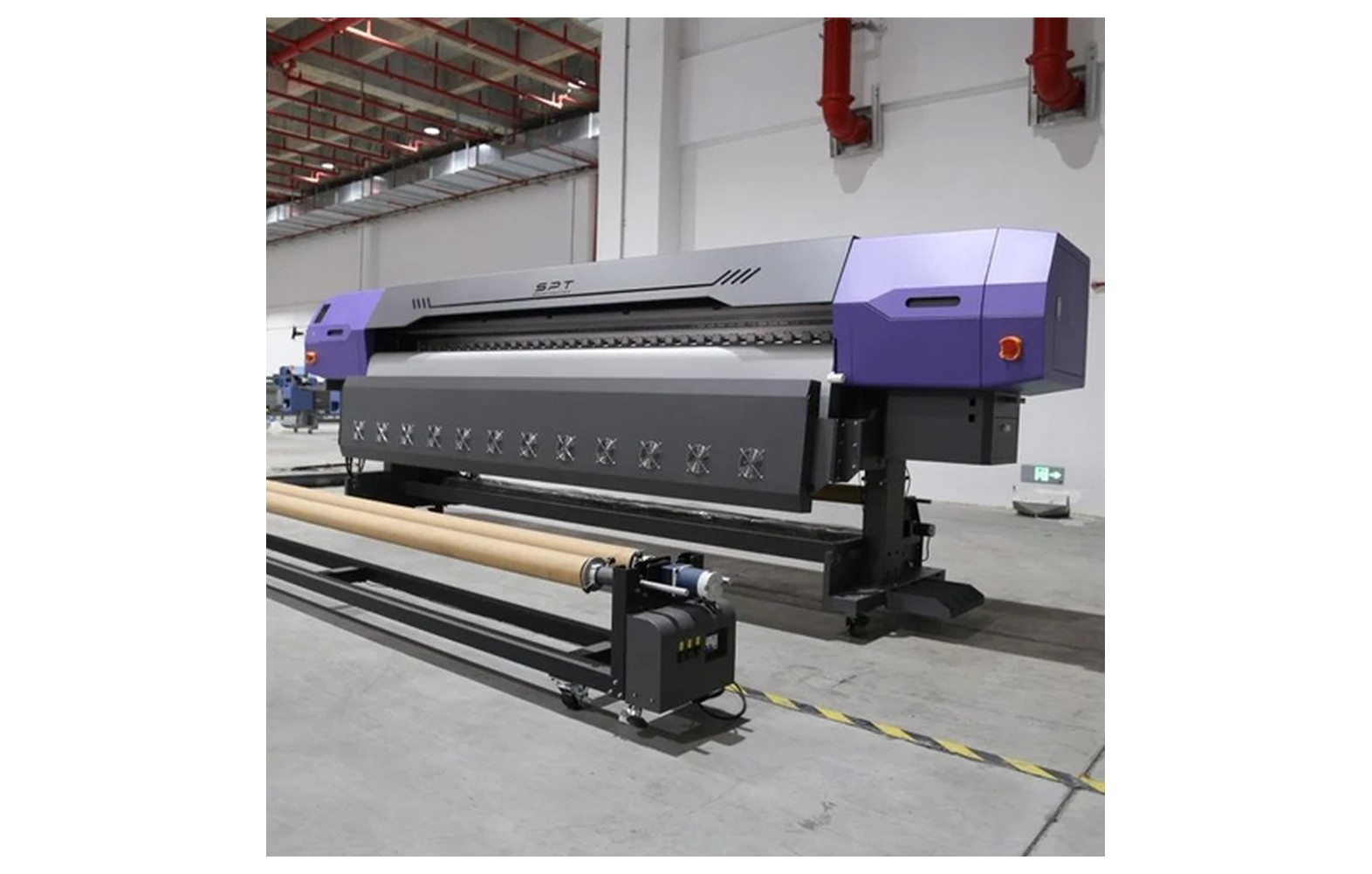
Direct answer: A custom packaging printing startup serves businesses that need specified labels, cartons, bags or other packaging. The opportunity must be validated through actual customers, approved samples, complete production costs and a workable cash plan. Printing is only one stage; materials, conversion, compliance and delivery may require separate equipment or partners.
What Is the Business Actually Selling?
A packaging customer is buying a finished package or label that fits a product, communicates the approved information and performs under the intended handling conditions. The print is important, but so are material, dimensions, adhesive or construction, finishing, delivery and quality control.
A startup can own selected equipment, coordinate a specialist converter or use a hybrid model. A folding carton, corrugated shipper, self-adhesive label and paper bag have different workflows. One printer is not automatically suitable for all of them.
This guide is an educational planning framework for founders and investors. Examples are hypothetical, not real customer results or promised returns. Use current quotations and qualified advice for the actual business and product.
1. Select a Customer and a Specific Packaging Problem
Identify the buyer, product, order frequency, approval process and reason the buyer may need a different supplier. A small brand requesting short-run labels has different requirements from a manufacturer ordering repeat cartons or an online seller needing shippers.
Ask potential customers about current materials, minimum quantities, lead times, defects and payment terms. Record whether a discussion is an enquiry, a paid pilot or a confirmed order. A general expression of interest is not proof of repeat demand.
Start with a manageable product specification and test the complete workflow. Avoid claiming a market has no competition without research or presenting a hypothetical order as an actual case study.
2. Understand the Packaging Product
A label may combine face stock, adhesive, liner and laminate. A folding carton may require printed board, cutting, creasing and gluing. A corrugated shipper has a different construction, while a paper bag can require printing, conversion and handles.
Record dimensions, material, coating, artwork, quantity, intended contents and distribution conditions. Confirm whether the customer needs finished pieces, flat sheets or rolls for an applicator. A flat print is not automatically a usable finished package.
Obtain the customer’s approved specification and the converter’s guidance before selecting equipment. A visually similar board or adhesive can perform differently.
3. Choose the Production Model
Outsourced: A specialist prints and converts the package while the startup manages the customer, artwork and quality process. This can be a way to test demand, but partner lead time, proofing and defect responsibilities must be documented.
In-house: The business owns selected printing or finishing equipment and takes responsibility for site, operators, consumables, maintenance and service. The machine must support the actual material and finishing workflow.
Hybrid: The startup owns some operations and outsources others, such as printing sheets while a converter cuts and glues cartons. Map every handoff and agree who supplies materials, owns tooling and pays for rework.
Neither ownership nor outsourcing guarantees lower cost or better quality. Compare a complete delivered quotation and an approved physical sample for the actual job.
4. Compare Digital, Offset and Flexographic Routes
A compatible digital printer may be worth comparing for certain short runs or variable artwork. Offset and flexographic workflows may suit other materials, designs or production requirements. Each has different setup, tooling, stock and finishing needs.
Ask suppliers to quote the same artwork, material, quantity and finished construction. Include plates, dies, cutting, creasing, gluing, slitting, rejects and delivery where relevant. There is no universal quantity at which one route is always cheapest.
Confirm the actual machine’s supported substrate and feeder or web requirements. A printer advertised for paper does not automatically handle every board or adhesive construction.
5. Artwork, Dielines and Product Information
Use the converter-approved dieline or layout for the exact package. Confirm dimensions, cuts, folds, glue areas, bleed and safe areas. Check panel orientation on an assembled prototype, not only on a flat sheet.
Obtain the final artwork and data from the customer. Barcodes, batch fields and other information should be checked using the customer’s approved method. A visible code is not proof that the data or readability is correct.
Labelling requirements can depend on the product, package, sale channel and jurisdiction. The brand owner should obtain product-specific regulatory advice and approve the final content. A printing guide cannot establish compliance for every item.
6. Material, Adhesive and Finishing
A label’s face stock, adhesive, liner and laminate must suit the printer, container and intended handling. A removable adhesive does not guarantee residue-free removal from every surface. Test the actual construction on the customer’s container.
For boxes and bags, board or paper construction, coating, crease, glue and handles affect the finished result. Lamination, foil or other finishes can change appearance and performance and may require separate tooling.
Do not claim that a package is recyclable, compostable, food-safe or tamper-evident without evidence for the complete construction and destination. Obtain supplier documentation and qualified review where needed.
7. Physical Prototype and Performance Tests
Produce a representative finished sample using the actual stock, ink, adhesive, conversion and packaging. A carton should be assembled; a roll label should be tested on the intended applicator where relevant; a bag should include its handles and construction.
Agree the product fit, colour, print placement, barcode readability and appropriate handling or distribution tests. Define sample preparation, timing and acceptance criteria. A casual rub or one successful shipment is not a universal certification.
Retain the approved sample, artwork version, material and supplier instructions. If a stock, coating, adhesive or converter changes, reassess whether a new proof is required.
8. Food Contact and Product-Specific Compliance
If packaging is intended for direct or indirect food contact, identify all relevant layers, inks, coatings, adhesives and barriers and the actual contact conditions. Requirements depend on the product and jurisdiction.
Obtain appropriate documentation from material, ink and converter suppliers and consult a qualified compliance expert. A safety data sheet or a clean-looking package is not necessarily evidence of finished-product compliance.
Define who approves the legal content and intended use. Do not claim food-contact suitability without appropriate evidence for the complete application.
9. Calculate Unit Economics
List the selling price and variable costs per accepted finished piece: stock, ink, adhesive, plates or dies, job-specific labour, conversion, packing, delivery and a reasoned reject allowance. Include tooling as setup or an allocation according to the actual order and accounting advice.
Contribution is selling price minus variable costs under stated assumptions. It is not net profit. Rent, general staff, equipment financing, tax and other expenses still need to be considered.
For illustration only, suppose a hypothetical finished package sells for Rs 20 and has variable costs of Rs 12 per accepted unit. The contribution is Rs 8. These invented figures are not market rates or expected results; use actual quotations and measurements.
Test higher waste, a smaller order, a tooling revision or delayed payment. A cheap printed sheet can become an expensive finished box if conversion and rejects are omitted.
10. Working Capital and Customer Terms
Paper, adhesive, plates, dies and labour may be paid for before a customer settles an invoice. A custom job can also leave stock or tooling tied to one customer. Map deposits, supplier terms, production time, tax and actual collection dates.
Agree artwork approval, minimum quantity, overrun or shortfall, cancellation, rework and payment responsibilities in writing. Ask who owns the tooling and what happens if the design changes.
Build a downside cash scenario with slower orders, delayed payment or a rejected batch. Consult a qualified accountant or financial adviser for the actual business.
11. Capacity and Bottlenecks
A printer’s advertised speed does not establish delivered packaging capacity. Artwork, plate preparation, material loading, drying, cutting, creasing, gluing, inspection and packing all take time. The bottleneck may be the converter or customer approval rather than the press.
Measure accepted finished pieces for a representative job and state what time is included. Compare an equipment purchase with a qualified conversion partner or a finishing improvement. Do not assume more print capacity automatically creates customer orders.
Plan for maintenance, operator training and supplier lead times. Retain the demonstration sample and the configuration used for the measurement.
12. Safety, Site and Service
Read safety data sheets for inks, adhesives and cleaners. Printing, drying and converting can require site-specific ventilation and protective measures. Cutting and folding equipment has moving parts; keep guards and interlocks in place.
Collect equipment and accessory nameplates and manuals. A qualified electrician should assess the supply, circuits, protection and earthing under applicable requirements. Do not size a stabiliser or UPS using a generic multiplier.
Ask suppliers for installation, training, warranty, maintenance and local service terms in writing. A service log supports diagnosis but does not guarantee zero downtime.
Startup Models Compared
| Route | What the startup controls | Evidence to request |
|---|---|---|
| Packaging broker | Customer, specification and partner coordination | Partner sample, terms, lead time and defect responsibility. |
| Owned digital print | Supported printing operations | Stock compatibility, finished output, service and conversion plan. |
| Hybrid | Some print or finishing with partner conversion | Handoff map, complete cost and quality approval. |
| Specialist converter | Selected print and conversion capacity | Material, tooling, staffing, cash and compliance evidence. |
The table is a planning aid, not a ranking or investment recommendation.
Investor Due-Diligence Questions
- Which customers have paid or committed, and which orders are forecasts?
- Are packaging specifications and physical samples approved?
- Who owns plates, dies and artwork?
- Are conversion, waste, labour, freight and tax included in the model?
- How are customer payment and supplier deposit timings managed?
- What happens if a material, converter or equipment service is unavailable?
- Are product-specific compliance and safety responsibilities documented?
- How will funds, milestones and decision rights be reviewed?
Separate actual results from projections. A machine quotation is one piece of evidence, not proof of demand or return.
Illustrative Scenario: A Small Brand’s Carton
A hypothetical startup receives an enquiry for a folding carton. It confirms the product dimensions and obtains a converter-approved dieline. It compares a compatible digital route with a specialist production quote using the same board, artwork, conversion and quantity.
The customer approves an assembled prototype and the parties agree fit, handling and any product-specific compliance responsibilities. The startup records actual costs and payment timing before considering equipment.
This is an illustrative planning exercise, not a real customer result or a guaranteed profit.
Common Mistakes to Avoid
- Buying a printer without a conversion or finishing plan.
- Comparing a flat sheet price with a delivered finished box.
- Omitting tooling, waste, labour and freight from unit economics.
- Calling contribution net profit or revenue a return.
- Assuming all packaging requires the same legal declarations.
- Claiming food-contact or environmental suitability without evidence.
- Using maximum press speed as delivered capacity.
- Presenting hypothetical customer stories as verified cases.
Founder Checklist
- Define the customer, product and evidence of demand.
- Confirm materials, artwork, conversion and intended use.
- Approve a physical finished prototype and relevant tests.
- Compare complete in-house and outsourced quotations.
- Build unit-cost and cash-flow scenarios with stated assumptions.
- Obtain qualified site, safety and regulatory advice.
- Agree customer and supplier responsibilities in writing.
- Review actual pilot results before expanding capacity.
Related Guides
Continue with packaging box printing, product label printing and startup business models. Use actual quotations and qualified advice for your business.
How to Run a Packaging Pilot
Select a product with a clear specification and an authorised customer contact. Obtain the actual container or contents, artwork, expected quantity and intended handling conditions. Ask the supplier to prepare a proof and, where relevant, an assembled package using the proposed production materials.
Define what the customer will inspect: dimensions, product fit, colour, content, barcode readability, closure and any relevant transport or contact test. Agree the method and acceptance criteria before treating the sample as approved.
Record the quotation, sample preparation, rework and delivery time. After the pilot, compare actual costs and customer feedback with the original assumptions. A successful sample is useful evidence but does not guarantee repeat orders or the performance of a different material batch.
Managing Tooling and Artwork Changes
Custom packaging can require plates, dies or other tooling. The written order should state who supplies and owns it, how it is stored, whether it can be reused and what happens when the artwork or dimensions change.
Keep a controlled artwork version and converter-approved dieline. A change to a barcode, fold or glue area can affect the finished product even when the visual design looks similar. Obtain a revised proof and customer approval before a new run.
Do not assume that tooling made for one converter will fit another machine. Confirm compatibility and any transfer or setup cost with the relevant suppliers.
Protecting Customer Information
Packaging artwork can contain unreleased product details, pricing, variable codes or customer data. Agree who may access files, how they are transferred and how long they are retained. Share only what the supplier needs to perform the work.
Use an approved source for batch or serial information and verify it under the customer’s procedure. Do not place passwords or sensitive credentials in a shared production log. If work is outsourced, document the partner’s confidentiality and data-handling responsibilities.
Preparing an Investor Discussion
Show the product and the evidence separately: actual paid orders, exploratory customer discussions, supplier quotations and forecasts should be clearly labelled. Explain the complete workflow from artwork to conversion and the resources the funding request would support.
Disclose the major risks, including customer concentration, tooling changes, stock lead times, rejected batches and payment delays. Present a downside scenario alongside the base case. Do not promise that packaging demand or a particular return is guaranteed.
Ask qualified legal and financial advisers to review the proposed terms, product-specific obligations and cash model. A detailed presentation supports due diligence but cannot guarantee funding or business success.
Reviewing a Repeat Packaging Order
Keep the approved board or label construction, artwork version, dieline, tooling and finished sample with the order. If the product, material, converter or delivery conditions change, reassess the specification and obtain a representative proof.
Before dispatch, compare finished packaging with the approved sample and check dimensions, content, print placement and visible defects. This visual check supports consistency but does not replace the agreed fit, barcode, contact or distribution test.
Frequently Asked Questions
Can a startup outsource packaging production?
Yes. Document the material, artwork, proof, conversion, quality, lead time and responsibility for defects with qualified partners.
Does a printer make a finished box by itself?
Not necessarily. Cutting, creasing, folding, gluing and assembly may require separate equipment or partners.
Is digital always cheaper for short packaging runs?
No. Compare actual quantities, materials, setup, finishing and supplier quotations for the same finished product.
Are all printed packages food-safe?
No. Food-contact suitability requires appropriate evidence for the complete construction and intended use.
What costs belong in packaging unit economics?
Include material, ink, tooling, labour, conversion, rejects, packing, delivery and applicable tax under stated assumptions.
What should an investor check?
Review paid demand, approved samples, complete costs, cash timing, capacity, supplier support and product-specific compliance.
Does a packaging forecast guarantee profit?
No. Forecasts depend on assumptions; separate actual results from projections and seek qualified advice.
