



Updated: November 2026 | Figures are estimates (est.)
Overview: a district flex unit that planned nine months for a 60-day election window and printed roughly 1.4 lakh sqft of flex plus flags, vests, posters and gate arches. Season revenue reached Rs 26-34 lakh against normal months of Rs 1.6-2.2 lakh, with Rs 6-9 lakh of extra net profit – and Rs 1.4 lakh of unpaid bills (est.). Both numbers are typical, and both are avoidable.
Preparation Timeline That Worked (est.)
| Month before polling | Action |
|---|---|
| 5 months | machine servicing, tube and head replacement decisions |
| 4 months | second machine purchased and installed |
| 3 months | media and ink stock for 60 days peak |
| 2 months | operator rosters, season rate card, party agent meetings |
| 6 weeks | advance terms agreed in writing, challan books printed |
| Polling period | double shifts, daily collections, capped exposure per party |
Season Numbers (est.)
| Line | Amount |
|---|---|
| Flex printed | ~1.4 lakh sqft |
| Flags, vests, caps | ~38,000 pieces |
| Gate arches and backdrops | ~90 units |
| Season revenue | Rs 26-34 lakh |
| Material and consumables | Rs 12-16 lakh |
| Extra labour (season crew) | Rs 2.5-4 lakh |
| Machine depreciation and extra power | Rs 1.2-2 lakh |
| Extra net profit | Rs 6-9 lakh |
| Uncollected bills | Rs 1.4 lakh |
What the Unit Did Right (est.)
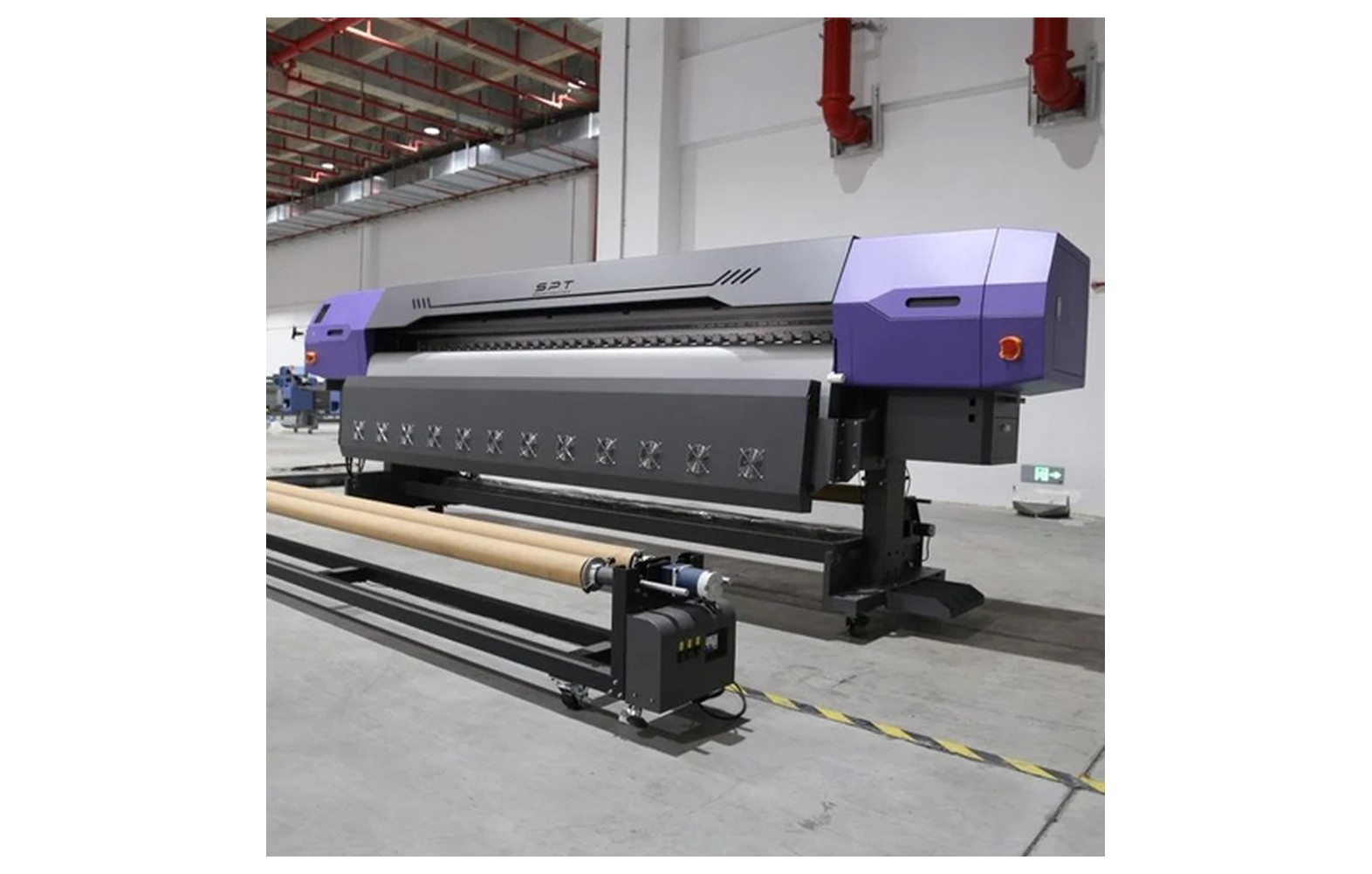
- Second machine installed by month four – converted refused orders into revenue; added capacity paid for itself twice over in the season.
- 50% advance enforced from day one – most cash came in before work was printed.
- Daily collection rounds – money collected while campaigns were still active.
- Season rate card published – rush work priced 20-40% above normal without argument.
- Delivery challans signed – disputes resolved quickly with documentation.
What Went Wrong (est.)
| Problem | Cost |
|---|---|
| Two party accounts allowed to exceed credit caps | Rs 1.4 lakh uncollected |
| One overnight job ran unattended | machine damage, 2 days lost |
| Season crew not trained on QC | ~2% reprints on flags |
| No written rate confirmation with one agent | dispute on Rs 60,000 of work |
Lessons for the Next Cycle (est.)
- Credit caps are absolute – exceptions become losses, always.
- Season crews need a one-hour QC briefing before their first shift.
- Second machine by month four, not month one – no idle capital in the off-season.
- Written rate sheets per party – verbal pricing disputes are unwinnable after results.
- Never run unattended – the fire risk outweighs any deadline.
Campaign planning and compliance context is in the election campaign playbook, and machine economics in the flex machine price.
Our Verdict
Election seasons reward preparation, not optimism: install capacity months early, enforce advances and credit caps, and price rush work properly. The shops that lose money in elections generally lose it through credit exceptions and unattended night runs, not through weak demand.
FAQs – Case Study: Election Season Printing Unit
How much can an election season earn a printing unit? (est.)
A district flex unit printing around 1.4 lakh sqft plus flags and gate arches can generate Rs 26-34 lakh in revenue and Rs 6-9 lakh of extra net profit over the season (est.). Results depend on preparation timing and collection discipline.
When should I add capacity for election printing? (est.)
Roughly four months before polling – late enough to avoid idle capital in the off-season, early enough for installation, trials and staff training (est.). Delivery and installation typically take two to four weeks, and financing adds more.
How much election payment goes uncollected? (est.)
Units commonly write off 3-6% of season revenue, and allowing accounts to exceed credit caps is the main cause (est.). Enforcing advances, daily collections and per-party caps is what keeps this number near zero.
What is the biggest operational risk during election season? (est.)
Unattended night runs and untrained seasonal staff (est.). One unattended job caused machine damage and two lost days in this unit, while untrained crew produced roughly 2% reprints on flags.
Should I buy a machine specifically for election season? (est.)
Only if it will be productively used for the rest of the year, or if the season revenue clearly justifies the depreciation (est.). Most units add a used second machine that serves overflow and backup capacity in normal months.
How do I price rush election work? (est.)
20-40% above standard rates for same-day and overnight work (est.). Publish a season rate card so the premium is policy rather than a negotiation, and confirm rates in writing with each party agent before printing begins.
More case studies: Rs 50 Lakh DTF Unit, Tier-3 Sublimation Gifting Unit, Flex Unit in a Wedding Town, UV Decor Studio in a Metro, Eco-Solvent Sticker Unit, Laser Jali Workshop, Small-Town Mixed Plant. Full index: all digital printing case studies.
Planning something similar? Share your city and budget on the contact page – we reply with a configuration and honest numbers.
