



Updated: November 2026 | Figures are estimates (est.)
Overview: a small-town unit that grew from one flex machine into a diversified plant with flex, UV flatbed, sublimation, sticker print-and-cut, a laser and a small CNC over four years. Today it bills Rs 5.5-7.5 lakh monthly with Rs 78,000-1.15 lakh net (est.). Diversification was the strategy: no single product line exceeds 25% of revenue, which smoothed seasonality dramatically compared with its early years.
Machine Portfolio (est.)
| Machine | Bought | Cost | Revenue share |
|---|---|---|---|
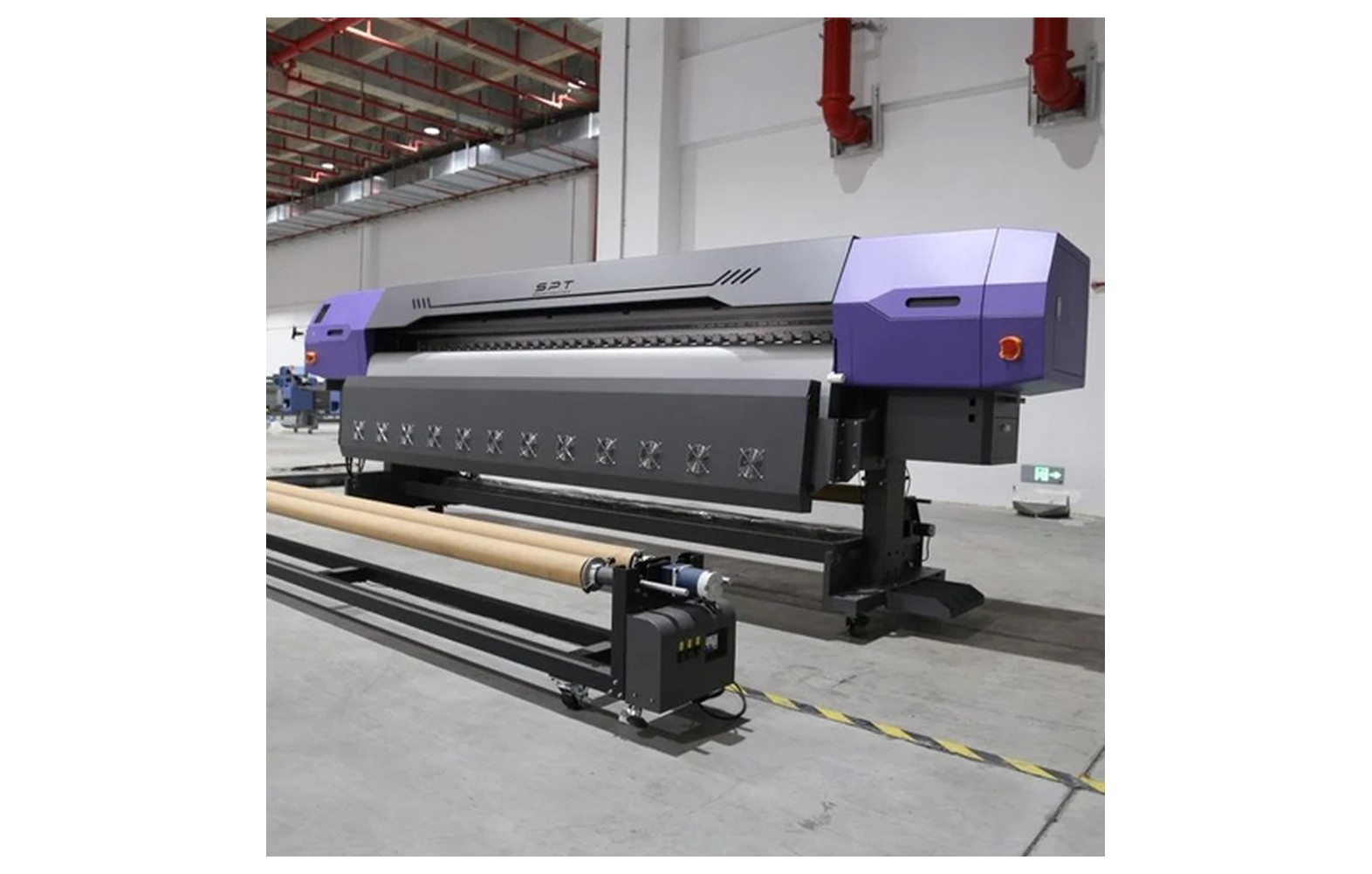
| 16 ft flex printer | Year 1 | Rs 5-7 lakh | 22% |
| Eco-solvent print-and-cut 1.3 m | Year 1.5 | Rs 3-4 lakh | 18% |
| Sublimation line with presses | Year 2 | Rs 1.2-2 lakh | 15% |
| A2 UV flatbed | Year 2.5 | Rs 3.5-5.5 lakh | 24% |
| CO2 laser 100 W | Year 3 | Rs 2-3 lakh | 14% |
| Small CNC router | Year 4 | Rs 1.8-2.8 lakh | 7% |
Revenue Mix (est.)
| Category | Share | Margin |
|---|---|---|
| Corporate and institutional orders | 24% | 45-55% |
| UV gifting and awards | 24% | 62-75% |
| Flex signage and events | 22% | 40-50% |
| Stickers and labels | 18% | 50-62% |
| Laser and CNC job work | 21% (of which CNC 7%) | 45-60% |
Monthly Economics (est.)
| Line | Amount |
|---|---|
| Billing | Rs 5.5-7.5 lakh |
| Consumables across all machines | Rs 2.1-2.9 lakh |
| Salaries (5 people) | Rs 90,000-1.3 lakh |
| Rent and utilities | Rs 45,000-70,000 |
| Maintenance and spares | Rs 20,000-35,000 |
| Net profit | Rs 78,000-1.15 lakh |
Why Diversification Worked (est.)
- No seasonal cliff – when weddings slowed, corporate awards and signage filled the gap.
- Cross-selling – a corporate client buying awards also ordered signage and stickers.
- Machine utilisation – UV gifting filled hours when flex work was quiet.
- Client stickiness – a supplier of six product categories is hard to replace.
What It Cost (est.)
| Challenge | Reality |
|---|---|
| Skill spread | need five different operators or cross-trained staff |
| Spares complexity | Rs 1-2 lakh across five machine families |
| Capital tied up | media stock for six technologies |
| Management load | quoting six product types accurately |
| Slower mastery | each machine learned while running a business |
Sequencing Advice From the Owner (est.)
| Rule | Why |
|---|---|
| Add a machine only when a product line refuses work | avoids idle capital |
| Buy used for backup, new for primary | balances reliability with cost |
| Cross-train at least two people per machine | prevents single-person dependency |
| Keep one product below 25% of revenue | protects against category collapse |
| Review the portfolio yearly | retire what does not earn its space |
Machine pricing across categories is in the digital machine price guide, and category-level economics in the growth report.
Our Verdict
A mixed plant smooths seasonality and locks in clients – but only when each machine is added because an existing product line refused work. Six machines, five skill sets and Rs 1-2 lakh of spares is a management business, not a printing one.
FAQs – Case Study: Small-Town Mixed Printing Plant
How much can a small-town mixed printing plant earn? (est.)
Rs 78,000-1.15 lakh net on Rs 5.5-7.5 lakh monthly billing with five staff across six machines (est.). Diversification smooths seasonality, but margins are similar to single-category shops – the benefit is stability, not higher percentages.
How many machines should a small-town print business own? (est.)
Only as many as your product lines require: this plant grew from one to six over four years, adding a machine each time an existing line had to refuse work (est.). Premature diversification ties up capital in underused equipment.
Is diversification better than specialising?
Diversification reduces seasonal risk and increases client stickiness; specialisation produces higher margins per category but exposes you to a single market (est.). Small towns usually benefit from diversification because each category’s volume is limited.
What are the hidden costs of running six machines? (est.)
Rs 1-2 lakh of spares across machine families, multi-technology media stock, five skill sets to staff or cross-train, and considerable management time in quoting accurately (est.). These costs are rarely visible when the machines are being purchased.
How much spares stock does a multi-machine shop need? (est.)
Rs 1-2 lakh covering blades, wipers, dampers, filters, tubes, belts and sensors across machine families (est.). Without it, a single Rs 3,000 part can stall a whole product line for days.
What is the safest order to add machines? (est.)
Flex or eco-solvent first for volume, then sublimation or UV for margin, then laser and CNC for fabrication work (est.). Each addition should follow a product line that is refusing work, and should be funded by the earnings of the previous one.
More case studies: Rs 50 Lakh DTF Unit, Tier-3 Sublimation Gifting Unit, Flex Unit in a Wedding Town, UV Decor Studio in a Metro, Eco-Solvent Sticker Unit, Laser Jali Workshop, Election Season Printing Unit. Full index: all digital printing case studies.
Planning something similar? Share your city and budget on the contact page – we reply with a configuration and honest numbers.
