



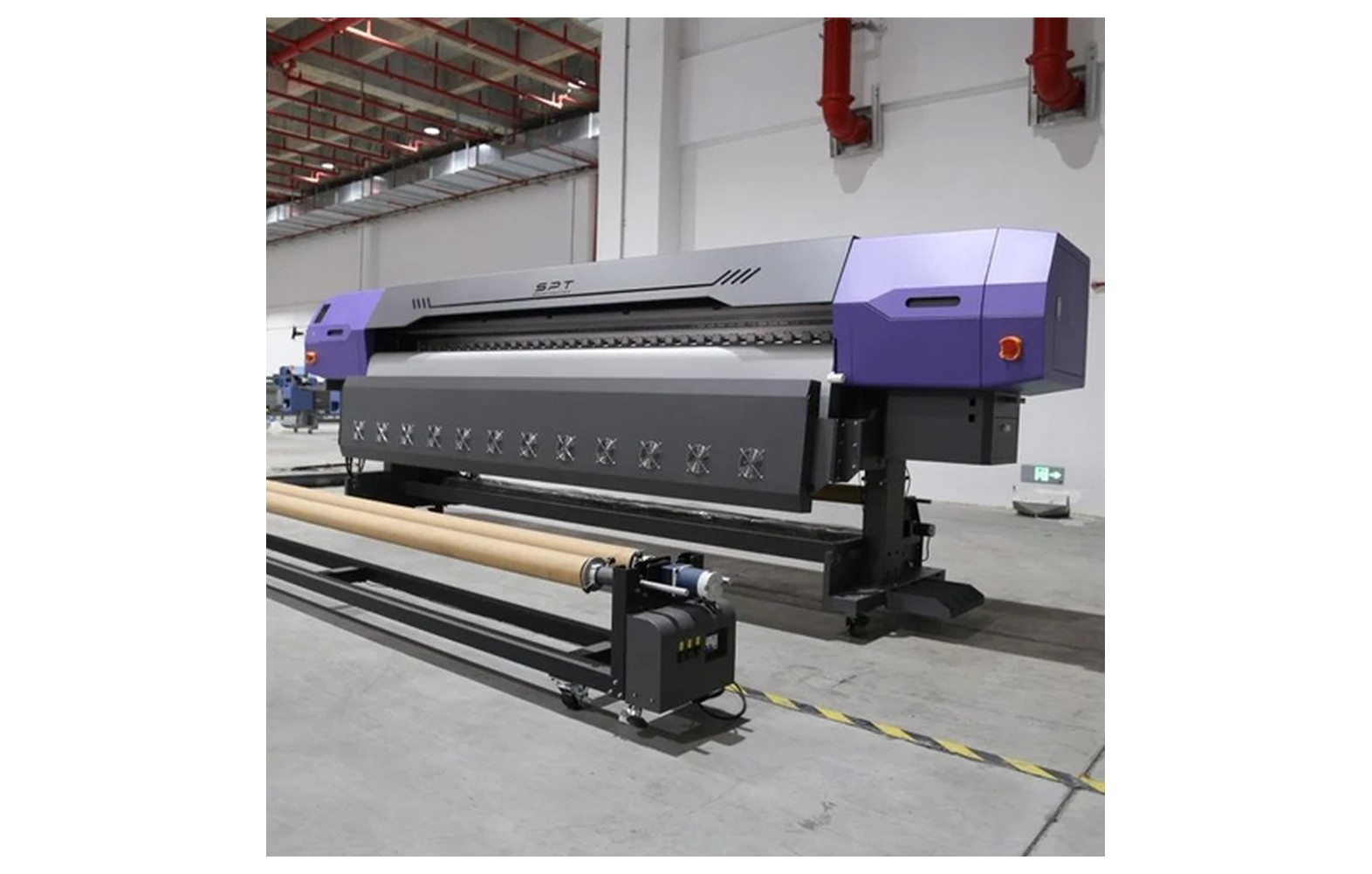
Direct answer: A B2B printing service for local brands starts with a defined customer problem, product specifications and a dependable order-to-delivery workflow. Validate demand with real conversations and paid pilots where possible, then compare in-house and outsourced production using complete costs, quality, cash flow and risk.
What Does a B2B Printing Service Sell?
A business-to-business printing service supplies products or production support to other organisations. The offer might be short-run product labels, branded uniforms, packaging, signage or merchandise. The customer is buying an acceptable finished result and reliable service, not simply ink on a substrate.
Local brands vary in size, purchasing process and quality needs. A food brand ordering labels, a cafe ordering aprons and a manufacturer buying safety signage do not have the same requirements. Define the customer and product before choosing equipment.
This guide is educational, not legal, tax or investment advice. Examples are hypothetical and do not represent actual customer outcomes or guaranteed returns. Use current quotations and qualified guidance for the actual business.
1. Choose a Specific Customer Segment
Identify a buyer, product and problem. Ask potential customers what they currently order, how often, who approves the work and what causes delays or rejects. A small brand seeking short-run labels may value different features from a company seeking uniform consistency.
Record whether a conversation is an enquiry, a written indication or a paid order. A general expression of interest is not proof of future volume. Avoid claiming a niche has no competition without research.
Start with a manageable offer that can be sampled and quoted accurately. A broad promise to print everything makes material, quality and service requirements harder to control.
2. Define the Product Specification
For each proposed product, record the actual blank or substrate, coating, dimensions, print area, artwork, finishing and intended use. A label has a face stock, adhesive and liner; a garment has a fabric and care requirement; a bottle may have a painted exterior rather than bare metal.
Ask about quantity, variation, delivery, packaging and who supplies the item. A repeat logo on one material is different from individual names across several products.
Use the supplier’s technical instructions and a customer-approved specification. A printer that produces one sample is not automatically compatible with every material.
3. Build a Physical Sample and Pilot
Produce a representative proof on the actual item using the intended process. Agree colour, placement, detail and relevant wash, adhesion, handling, barcode or distribution tests. A casual scratch or one wash is not a universal certification.
Where possible, use a paid pilot with written terms. Record the actual artwork work, blank, production, finishing, defects, delivery and payment timing. A successful pilot provides evidence but does not guarantee future orders.
Retain the approved sample, artwork version, materials and settings. If a blank or supplier changes, assess whether a new proof is needed.
4. Select the Production Model
In-house: Own selected equipment and manage those operations directly, including staff, consumables, maintenance and service.
Outsourced: Use a qualified print or conversion partner while managing the customer, specifications, proofs and delivery. Agree who supplies blanks, owns tooling and handles rework.
Hybrid: Own some stages and outsource specialist work. For example, a shop may prepare artwork and apply compatible transfers while buying those transfers. The complete material and press instructions still matter.
Compare current quotations, quality, lead times, cash timing and risk. Neither ownership nor outsourcing guarantees profit or consistency.
5. Map the Order-to-Delivery Workflow
- Enquiry: Confirm product, quantity, deadline and destination.
- Specification: Identify the material, artwork, process and intended use.
- Quotation: Include blanks, setup, printing, finishing, rejects, packing and delivery.
- Proof: Obtain approval of the final artwork and physical sample.
- Production: Follow authorised machine and material instructions.
- Inspection: Compare accepted items with the agreed criteria.
- Dispatch: Check quantity, packaging and customer communication.
- Follow-up: Record payment, feedback, defects and corrective actions.
Assign a responsible person and escalation route for each step. A printing machine is only one part of the service.
6. Quote the Complete Job
Specify the blank, artwork, quantity, print method, finishing, packaging, delivery, applicable tax, payment and approval terms. Include screen or plate setup, tooling and partner charges where relevant.
Define how artwork changes after approval, customer-supplied blanks, overruns, rejects and delivery damage are handled. A low print price should not be compared with a delivered finished product unless the scope is the same.
Use current supplier quotations and measured labour. Do not promise a fixed profit margin or payback period from an unverified rate card.
7. Calculate Contribution and Overhead
For each accepted item, list selling price and variable costs: blank, ink or transfer, job-specific labour, finishing, packaging, delivery, payment fees and a reasoned reject allowance.
Contribution per item is selling price minus variable costs under stated assumptions. It is not net profit. Rent, general salaries, equipment financing, taxes and other expenses still need to be covered.
For illustration only, a hypothetical item sold for Rs 200 with variable costs of Rs 120 contributes Rs 80. These invented values are not market rates or expected results. Recalculate with the actual order and cost records.
8. Plan Credit and Working Capital
B2B customers may have purchase-order and invoice procedures that differ from direct retail sales. Suppliers, wages and freight may need payment before the customer settles the invoice. Map those dates and terms in a cash-flow plan.
Consider deposits, inventory, taxes, equipment payments, rejected batches and delayed collection. Build a downside scenario and consult a qualified accountant or financial adviser.
Do not call revenue or contribution net profit. A profitable-looking order can still strain cash if payment is late or material must be purchased in advance.
9. Manage Artwork and Data
Obtain permission to reproduce customer logos and images. Use controlled artwork versions and document who approves the final proof. A screen preview does not guarantee colour on every material.
Personalised orders can contain names, photographs or identifiers. Agree access, transfer, retention and deletion procedures. Do not store passwords or unnecessary customer files in a shared machine log.
When a partner handles data, define its responsibilities and any subcontracting in writing. A printed code or ID card is not automatically an active credential; the customer’s authorised team should validate its function.
10. Capacity and Service Levels
A printer’s advertised maximum speed is not the same as accepted finished output. Artwork approval, loading, printing, curing, cutting, pressing, inspection and packing can each be a bottleneck.
Measure a representative job and state what time is included. Ask partners for actual lead times, stock availability and escalation contacts. Do not promise a deadline that depends on unverified capacity.
Record agreed service levels and what happens if a supplier or machine is unavailable. Test any backup partner before an urgent substitution.
11. Supplier and Quality Control
Request an itemised quote for the exact equipment or outsourced workflow, including software, fixtures, installation, training, consumables, warranty and local service. Ask suppliers to demonstrate the actual artwork and material.
Define whether the partner may substitute a blank or subcontract a step. A visually similar coating, film or garment can behave differently and may need a new customer proof.
Keep dated quality checks, defects and service reports. A maintenance log helps diagnosis but does not guarantee zero downtime.
12. Safety and Product-Specific Requirements
Collect equipment and accessory nameplates and manuals. A qualified electrician should assess the site supply, protection and earthing under applicable requirements. Do not size a stabiliser or UPS using a generic multiplier.
Review safety data sheets for inks, powders, adhesives and cleaners. Ventilation depends on the actual process; a room fan alone does not establish exposure control. Keep UV shielding, laser guards and interlocks in place.
Food-contact packaging, electronics and protective clothing require product-specific approvals. Do not claim food safety, dishwasher resistance or preserved protective certification without appropriate evidence for the complete product.
13. Handle Defects and Reorders
Agree how the customer reports a defect, what evidence is needed and who decides on rework or replacement. Separate production defects from a customer-approved artwork error or delivery damage according to the written terms.
For a repeat order, compare the current blank, artwork, ink and process with the approved sample. If a supplier or material changes, seek a new approval where appropriate.
Track actual repeat orders, defects, reprints and collection dates. Do not present a forecast as a confirmed reorder.
Business Measures to Review
| Measure | What to record | Why it matters |
|---|---|---|
| Paid orders | Product, quantity and customer segment | Separates evidence from enquiries. |
| Contribution | Price less documented variable costs | Shows what remains toward overhead and other expenses. |
| Accepted output | Finished items and time scope | Reveals practical capacity and bottlenecks. |
| Defects and rework | Count, reason and cost | Shows quality and delivery risks. |
| Cash collection | Invoice, due and receipt dates | Highlights working-capital pressure. |
| Customer concentration | Actual revenue by customer where appropriate | Helps assess dependence on a few accounts. |
Use consistent definitions and retain the source records. Do not substitute generic online margins or return rates for actual data.
Illustrative Scenario: A Local Food Brand
A hypothetical brand asks for short-run labels for a jar. The printing supplier confirms the actual container, adhesive, artwork and quantity and asks the brand to obtain product-specific regulatory review. It compares a qualified converter with an in-house supported workflow.
The customer approves a label applied to the actual jar and agrees a handling test. The supplier records production cost and payment timing. This is a planning example, not a real customer result or legal approval.
Illustrative Scenario: Staff Uniforms
A hypothetical business orders polos with a repeated logo and individual names. The printer checks the fabric, sizes, approved data list and compatible decoration methods. A physical sample is approved before the full run.
The supplier records artwork checking, production, inspection and packing time. If the garment is protective clothing, manufacturer marking approval and any required safety review must be obtained separately.
Investor Due-Diligence Questions
- Which customers have paid or committed, and which are forecasts?
- Are the actual product specifications and samples approved?
- What is contribution after documented variable costs and rejects?
- What fixed costs, financing and cash obligations remain?
- Where is the measured production or fulfilment bottleneck?
- How concentrated are customers and suppliers?
- What data, safety and product-specific compliance work remains?
- How are funds, milestones and decision rights documented?
Separate actual results from projections and disclose uncertainty. Obtain qualified legal and financial advice before an investment or partnership agreement.
Related Guides
Continue with custom packaging startup planning, corporate merchandise production and printing business models. Use actual quotations and qualified advice for your business.
Building a Local Sales Process
Start with a defined group of potential buyers and a clear product question. Ask permission to learn about their current ordering process, approval requirements and recurring problems. Do not assume a local business needs a service merely because it uses printed material.
Prepare a concise specification and sample for the relevant product. Record the next action and who can approve an order. A contact list, social-media response or request for a quote is not the same as a paid customer.
After a pilot, ask for feedback on quality, delivery and communication. Obtain permission before using a customer’s name or result in marketing. Do not invent a testimonial or imply that a sample was a successful commercial case.
Preparing a Supplier Comparison
Give each supplier the same material, artwork, quantity, finishing and delivery scope. Ask for an itemised written quote and a physical sample on the actual substrate. Record which assumptions differ, such as stock availability, tooling or lead time.
Check the complete workflow rather than a headline print rate. A label may require lamination and roll finishing; a uniform may require pressing and packing by size. Include those steps in the cost and capacity comparison.
Ask about warranty, service, substitutions and the response to rejected work. A low quote does not automatically establish reliable quality or the lowest delivered cost.
Planning for Repeat Orders
Keep the approved specification, proof, artwork version, material and settings with the customer record. If the customer changes the blank, coating, quantity or delivery location, review the quote and whether a new sample is needed.
Agree who can approve artwork changes and how old files are controlled. For variable names or codes, use the authorised source and check the finished items. Protect customer information under the agreed data policy.
Track actual reorder history and payment timing rather than assuming every first order becomes a long-term contract. Customer concentration can create risk even when a large order appears attractive.
When to Add Equipment
Consider an equipment purchase only after identifying the measured bottleneck and comparing it with a supported partner or process improvement. Obtain current written quotations for installation, training, consumables, maintenance and local service.
Model a downside case with slower sales, higher rejects and delayed collection. Ask a qualified electrician and safety professional to assess the actual site. Additional machine capacity does not automatically create customer demand.
Preparing an Investor Discussion
Separate historical paid orders, customer discussions and forecasts. Explain the unit-cost assumptions, cash timing, production responsibilities and use of funds. Keep the approved samples and supplier quotations available for review.
Disclose customer and supplier concentration, quality risks and what remains unverified. Obtain qualified legal and financial advice for the proposed terms. A clear plan supports due diligence but does not guarantee funding or profit.
Quality Handoffs with Outside Partners
When a partner performs printing or finishing, agree which version of the artwork is used, who approves the proof and what acceptance criteria apply. Identify who checks the blanks and how a defect is reported. A verbal understanding can leave both parties unsure who pays for rework or delivery damage.
Keep the approved sample and supplier instructions with the job. If a partner proposes a substitute material, obtain customer approval and test the actual substitute before production. A visually similar surface may have different adhesion, colour or handling behaviour.
For a time-sensitive order, confirm the partner’s capacity and the time needed for proofing, finishing and dispatch. Do not promise a deadline based only on the printing step.
Before accepting a time-sensitive B2B order, confirm the blank availability, sample approval, partner lead time and delivery scope. Agree who will notify the customer if a substitution or delay occurs. A written schedule supports coordination but does not replace verified production capacity.
Frequently Asked Questions
What is a B2B printing service?
It supplies printed products or production support to other organisations using documented specifications and delivery terms.
Should a B2B startup buy a printer immediately?
Not necessarily. Compare validated demand, physical samples, full costs and a qualified outsourced route first.
Can a B2B printer outsource production?
Yes. Agree specifications, approvals, quality, confidentiality, lead time and defect responsibilities with qualified partners.
What should a B2B quotation include?
Include blanks, artwork, setup, printing, finishing, labour, rejects, packing, delivery, applicable tax and payment terms.
Is contribution per item the same as profit?
No. Fixed costs, financing, tax and other expenses still need to be considered.
Why does customer payment timing matter?
Materials, wages and supplier charges may be due before a customer pays, creating a working-capital need.
Does a paid pilot guarantee repeat orders?
No. A pilot is useful evidence, but future demand and economics still need validation.
