



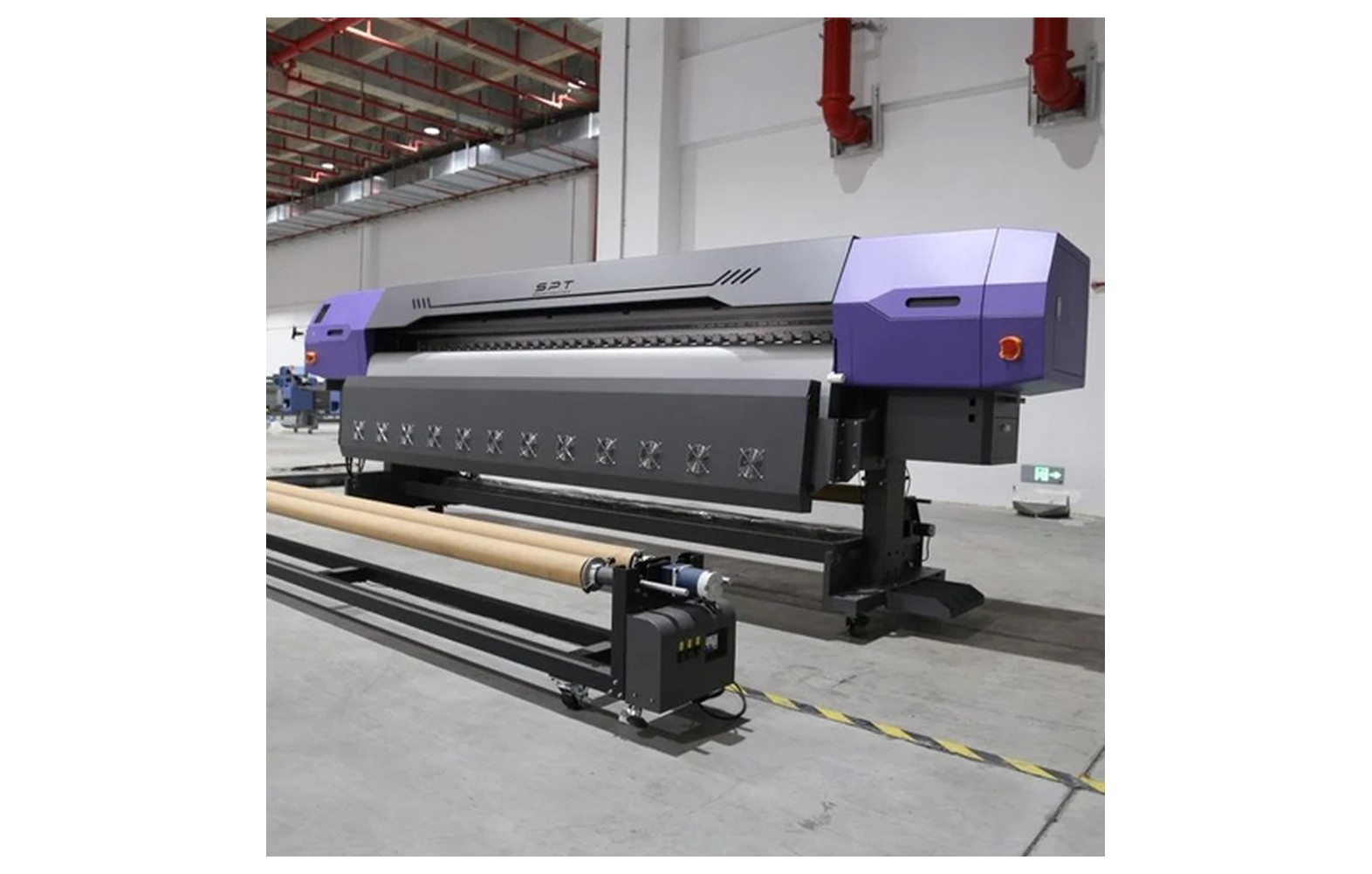
Direct answer: Textile DTF applies a compatible hot-melt adhesive powder to printed transfer ink, then cures it according to supplier specifications before heat pressing onto a suitable garment. The final bond depends on the complete film, ink, powder, curing and pressing combination.
Engineering Principles and Components
| Topic | Function | Practical check |
|---|---|---|
| Printed film | Carries the artwork and wet ink before powdering. | Use the correct film side and compatible ink. |
| Adhesive powder | Forms the bonding layer for a suitable transfer. | Select compatible powder and apply evenly according to instructions. |
| Curing | Prepares the adhesive on the transfer. | Use supplier-specified conditions and suitable ventilation. |
| Heat press | Transfers the prepared design to the garment. | Check fabric limits, pressure, time and peel instructions. |
Practical Shop Checklist
- Use manufacturer instructions rather than a universal temperature or dwell time.
- Handle powders and fumes according to safety data sheets and local ventilation requirements.
- Test adhesion and appropriate washing on the exact garment.
- Never operate heating or curing equipment unattended.
Related Engineering Guides
Start with how a piezo printhead works and digital inkjet machine anatomy. For a machine-specific question, share your model on our contact page.
Frequently Asked Questions
What does DTF powder do?
It provides a hot-melt adhesive layer that helps bond the prepared transfer to compatible fabric.
Can I use any powder with any DTF film?
Do not assume compatibility. Confirm the film, ink and powder combination with suppliers.
Is curing the same as heat pressing?
No. Curing prepares the powder on the transfer; pressing applies the prepared transfer to a garment.
What causes poor adhesion?
Possible causes include incompatible materials, uneven powder, incorrect curing, pressure or fabric selection. Diagnose the complete workflow.
Is one temperature suitable for every powder?
No. Follow the exact supplier recommendations and test the actual materials.
Can DTF be applied to every fabric?
No. Heat sensitivity, coatings, stretch and adhesion differ. Test the actual garment.
What safety precautions matter?
Follow the safety data sheets, use suitable ventilation and never leave heating equipment unattended.
