



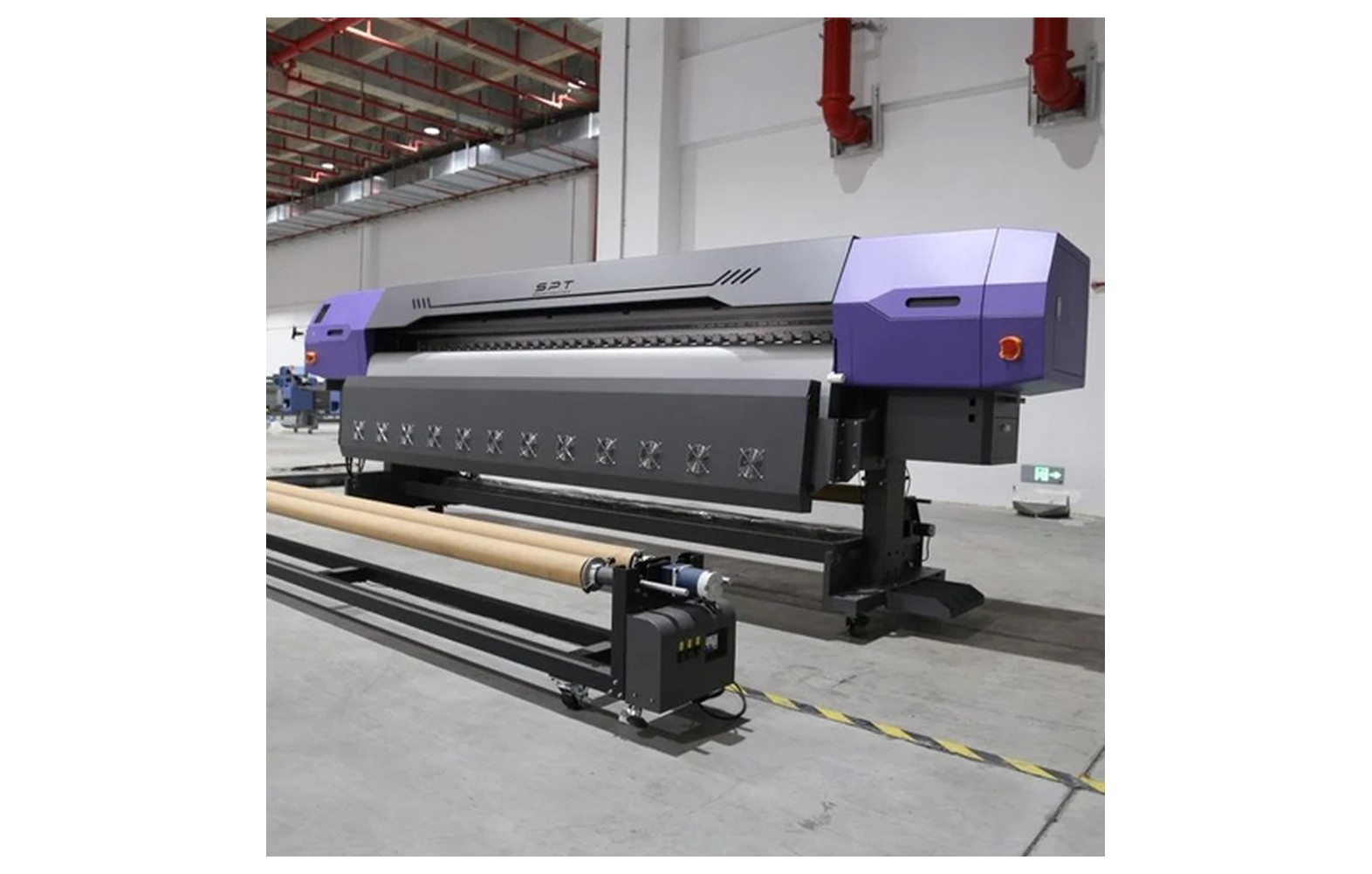
Direct answer: Dye-sublimation printing uses a compatible ink and transfer paper. Under appropriate heat and pressure, disperse dyes transfer from the paper into suitable polyester fibres or a compatible polymer coating. The process and recommended conditions depend on the materials and equipment.
Engineering Principles and Components
| Topic | Function | Practical check |
|---|---|---|
| Ink and paper | Carry the sublimation dye and artwork before transfer. | Use ink and paper compatible with the printer and workflow. |
| Heat and pressure | Enable contact and dye transfer. | Use the blank and transfer suppliers’ specifications. |
| Polyester or coating | Provides the receptive material for the dye. | Confirm composition or coating of the actual blank. |
| Base colour | The surface contributes to the appearance of transparent dyes. | Light-coloured bases generally provide the most predictable colours. |
Practical Shop Checklist
- Identify fabric composition or the coating specification before quoting.
- Test the actual blank and artwork using supplier-recommended settings.
- Do not describe ordinary uncoated ceramic or 100% cotton as direct sublimation blanks.
- Avoid unsupported claims that prints never fade; care and exposure affect results.
Related Engineering Guides
Start with how a piezo printhead works and digital inkjet machine anatomy. For a machine-specific question, share your model on our contact page.
Frequently Asked Questions
Can I directly sublimate onto ordinary cotton?
Standard sublimation does not reliably bond directly to ordinary cotton fibres; compare a suitable textile transfer or other method.
Does a normal mug accept sublimation?
A hard blank must have a compatible sublimation coating. Ordinary uncoated ceramic is not automatically suitable.
Can sublimation print opaque white?
Standard sublimation dye printing does not use a conventional opaque white channel; the base provides the light colour.
Can polyester blends be sublimated?
Results vary with composition and finish. Produce a sample on the actual garment and agree the result with the customer.
Does every sublimated print last forever?
No. Light exposure, laundering, substrate and coatings can affect appearance and lifespan.
Is the heat press the printer?
No. The printer produces the transfer; a compatible press applies it.
How do I choose press settings?
Follow the blank, ink, paper and press suppliers’ instructions and validate on the actual item.
